

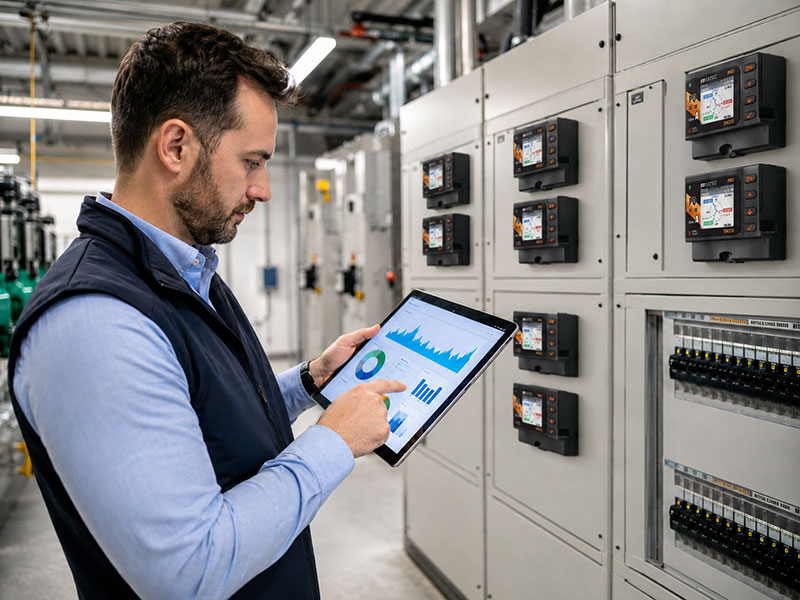
Energy costs are one of the most persistent operating expenses for commercial buildings across Australia. Whether managing an office tower, a shopping centre, an industrial facility, a hospital or an education campus, electricity consumption can quickly become difficult to control without clear visibility.
Many businesses receive a monthly bill and know what they paid. Yet they do not always know where the energy was used, when demand peaked or which systems contributed most to unnecessary costs. Power monitoring devices play a valuable role in addressing this gap. They give building owners, facility managers and energy teams access to detailed electrical data.
Instead of relying on estimates or delayed billing information, commercial buildings can monitor usage patterns, identify waste and respond to issues before they become expensive. Reducing energy costs is not only about using less electricity. It is also about understanding how energy moves through a building and how different systems behave throughout the day. Power monitoring helps turn complex electrical activity into actionable information.
Key Points
Commercial buildings are among Australia’s most energy-intensive environments and without clear monitoring, the costs behind the bill remain invisible.
Power monitoring devices measure key electrical parameters including voltage, current, power factor and demand to reveal exactly how and when energy is used.
Hidden energy waste such as after-hours loads and poorly scheduled equipment can be identified and corrected quickly when accurate data is available.
Peak demand charges form a significant part of commercial electricity bills under many Australian network tariffs and monitoring data helps manage these effectively.
Submetering across tenants or departments supports fair, transparent cost allocation and encourages greater energy accountability across a building.
SATEC’s NMI-approved meters and Expertpower software provide a compliant and capable metering solution for Australian commercial buildings seeking smarter energy management.
Why Commercial Buildings Need Better Energy Visibility
Commercial buildings are energy-intensive environments. Lighting, lifts, heating, ventilation and air conditioning (HVAC), refrigeration, tenant equipment, pumps, EV chargers, kitchen equipment and backup systems all place significant demand on the electrical network. Without accurate monitoring it can be difficult to know which loads are driving costs.
A monthly energy bill gives a total figure but it rarely explains the behaviour behind that figure. Facility managers may see that costs have increased without knowing whether the cause was extended HVAC operation, a faulty piece of equipment, tenant overuse, poor scheduling or an unexpected peak demand event. Power monitoring devices provide the missing layer of visibility. They measure electrical parameters such as voltage, current, power factor, energy consumption and demand. More advanced devices can also monitor power quality conditions that may affect equipment performance and reliability.
With this data, commercial buildings can move from reactive energy management to proactive energy control.
Finding Energy Waste Before It Becomes Expensive
One of the most practical benefits of power monitoring is the ability to identify waste before it accumulates into significant cost. In many buildings, energy is used when it does not need to be. Equipment may run outside business hours, lighting schedules may be poorly configured or HVAC systems may operate at full capacity when occupancy is low. These issues often remain hidden until data makes them visible.
A power monitoring system can reveal unusual consumption patterns such as overnight spikes, weekend loads or unexplained increases in demand. Once these patterns are identified, facility teams can investigate and address the cause. For example, a commercial building may discover that a large mechanical load continues operating after hours due to a control issue. Another site may find that tenant equipment creates a demand peak at the same time as HVAC start-up.
These insights can lead to simple operational changes that reduce costs without compromising comfort or productivity. Energy efficiency projects are also easier to justify when supported by accurate data. Instead of estimating whether an upgrade is worthwhile, building managers can use measured information to compare performance before and after changes.
Managing Peak Demand Charges in Australia
Energy bills for commercial buildings in Australia are often influenced by more than total consumption. Under many Australian network tariffs, peak demand charges can represent a substantial portion of electricity costs. These charges are based on the highest level of demand recorded during a billing period and even a brief period of high usage can affect the overall bill.
Power monitoring devices help facility managers understand when demand peaks occur and which systems contribute to them. This information supports effective load management. By identifying the timing and cause of demand peaks, buildings can adjust equipment schedules, stagger start-up times or shift certain loads to lower demand periods.
A common example is HVAC start-up at the beginning of the working day. If multiple systems start simultaneously, demand can rise sharply. Monitoring data can support a more controlled start-up sequence that reduces peak demand without affecting building operations or occupant comfort.
As more Australian buildings add EV charging infrastructure, rooftop solar, battery storage and electrified plant, demand management is becoming increasingly important. Power monitoring devices provide the visibility needed to balance these loads effectively.
Improving Power Quality and Equipment Performance
Energy savings are not only linked to consumption. Poor power quality can affect the performance and lifespan of electrical equipment. Issues such as voltage imbalance, harmonics, poor power factor and transient events can increase losses, cause overheating and contribute to equipment failures.
Advanced power monitoring devices can help detect these conditions early. Once identified, facility teams can take corrective action such as improving power factor correction, investigating harmonic sources or reviewing the performance of specific equipment. Better power quality contributes to lower energy losses and improved reliability. It also reduces the risk of downtime, maintenance costs and premature equipment replacement.
For commercial buildings with critical systems, this level of monitoring is especially valuable. Power quality data also enables building managers to have more informed conversations with contractors, electrical consultants and energy providers. Instead of relying on assumptions, decisions can be made from accurate, measured evidence.
Supporting Tenant Metering and Cost Allocation
Many Australian commercial buildings house multiple tenants, departments or operating zones. Without accurate submetering, energy costs may be shared based on estimates, floor area or fixed formulas. This can create disputes and reduce accountability across the building.
Power monitoring devices allow building owners to measure energy use across specific areas or loads. This supports fairer cost allocation and gives tenants better visibility of their own consumption. When tenants can see how their behaviour affects energy use, they are more likely to engage in efficiency initiatives. Submetering can also reveal which areas of a building are performing well and which require attention.
For property managers, this information improves transparency and supports more effective energy reporting, including for sustainability frameworks such as NABERS and Green Star.
Turning Data Into Better Decisions
Data is only useful when it leads to action. Modern power monitoring devices are most effective when paired with software that helps users interpret energy information. Dashboards, alerts, reports and trend analysis make it easier to identify problems and track progress over time.
Instead of manually reviewing complex data, building teams can monitor key indicators and receive alerts when something unusual occurs. This makes energy management more practical for busy facility teams who are managing multiple responsibilities.
Good monitoring also supports long-term planning. Historical data can help determine whether a building needs electrical upgrades, whether solar or battery storage would deliver a return or whether certain loads should be replaced with more efficient equipment. Australian commercial buildings are growing in complexity. Real-time and historical energy data helps owners make decisions that are financially sound and operationally realistic.
Power Monitoring: With and Without
| Area | Without Power Monitoring | With Power Monitoring |
|---|---|---|
| Energy Waste Detection | Waste goes undetected until the bill arrives. The cause is difficult to identify. | After-hours loads, idle equipment and unusual consumption patterns are visible in real time. |
| Peak Demand Management | Demand peaks are unpredictable and charges appear on the bill without explanation. | Demand peaks are identified and managed through load scheduling and staggered start-ups. |
| Power Quality Visibility | Power quality issues go undetected until equipment fails or performance degrades. | Voltage imbalance, harmonics and poor power factor are identified early and corrected. |
| Tenant Cost Allocation | Costs are divided by floor area or estimates. Disputes and inaccuracies are common. | Submetering provides accurate data for fair and transparent cost allocation per tenant or zone. |
| Maintenance Planning | Maintenance is reactive. Equipment issues are typically discovered after failure occurs. | Monitoring data supports early identification of underperforming equipment before failure. |
| Sustainability Reporting | Energy data is incomplete or estimated. Reporting for NABERS and Green Star is unreliable. | Accurate, time-stamped data supports NABERS ratings, Green Star assessments and regulatory compliance. |
| EV and Solar Integration | New loads and generation assets are difficult to manage without overall demand visibility. | Monitoring enables effective load balancing across EV chargers, rooftop solar and battery storage. |
SATEC's Metering Solutions for Australian Commercial Buildings
The SATEC product range is built for commercial and industrial energy environments, making it a practical choice for Australian buildings that need accurate electrical data, compact installation options and deeper insight into energy performance.
NMI-approved meters in the range support accurate energy measurement for applications where compliance and billing-grade performance matter. This is important for commercial buildings that require reliable tenant metering, submetering or energy cost allocation across multiple zones or tenants. Power quality monitoring capability gives building managers a clearer view of electrical conditions that may affect equipment efficiency and reliability. This makes the solution valuable not only for tracking consumption but also for understanding the health of the electrical network as a whole.
For retrofit projects, available space in existing switchboards can be a real challenge. Compact metering options help reduce installation difficulties in situations where room is limited. This is especially relevant for commercial buildings that want to improve energy monitoring without significant infrastructure disruption.
Expertpower software adds another layer of value by helping users view, analyse and manage energy data. When meters and software work together, facility teams can access the insights they need to reduce waste, manage demand and make more confident energy decisions.
A Smarter Approach to Energy Cost Reduction
Power monitoring devices give commercial buildings the information they need to control energy use more effectively. They help identify waste, manage peak demand, improve power quality and support fairer cost allocation across tenants or departments.
The greatest value comes from using monitoring data consistently. When facility teams understand where energy is being used and when costs are rising, they can take targeted action rather than relying on guesswork.
For Australian commercial buildings facing rising electricity prices, growing sustainability expectations and increasing electrical complexity, power monitoring is a practical investment. With the right metering solution in place, energy management becomes clearer, more measurable and far easier to improve.
FAQs - How Power Monitoring Devices Help Reduce Energy Costs in Commercial Buildings
What is a power monitoring device and how does it work?
A power monitoring device is an electrical meter that measures parameters such as voltage, current, power factor and energy demand across a building or specific circuits. It captures this data in real time so facility managers can see exactly how and when energy is being used.
How can power monitoring help reduce my electricity bill?
By revealing when and where energy is wasted, such as equipment running after hours or loads causing peak demand spikes, monitoring data allows facility teams to make targeted changes that directly reduce costs. Managing peak demand alone can have a significant impact on commercial electricity bills under Australian network tariffs.
Do I need to rewire my building to install power monitoring?
In most cases, power monitoring devices can be installed into existing switchboards without major electrical works. Compact meter options are available specifically for retrofit projects where switchboard space is limited.
Can power monitoring support NABERS or Green Star reporting?
Yes. Accurate, time-stamped energy data from power monitoring devices provides the reliable consumption records needed to support NABERS ratings and Green Star assessments. This removes the need for estimates and strengthens the credibility of sustainability reporting.
Explore related topics:
For Your Industry
- Building Energy Management Analytics: The Complete Guide for Commercial Buildings
- Commercial HVAC Energy Optimisation: What Meter Data Reveals That Setpoints Don’t
Standards & Compliance
Related Reading
- Whole-Building Power Monitoring Devices: What They Are and Why They Matter
- How To Improve Load Factor And Reduce Electricity Demand Charges In Australia
Trending in Your Sector


