

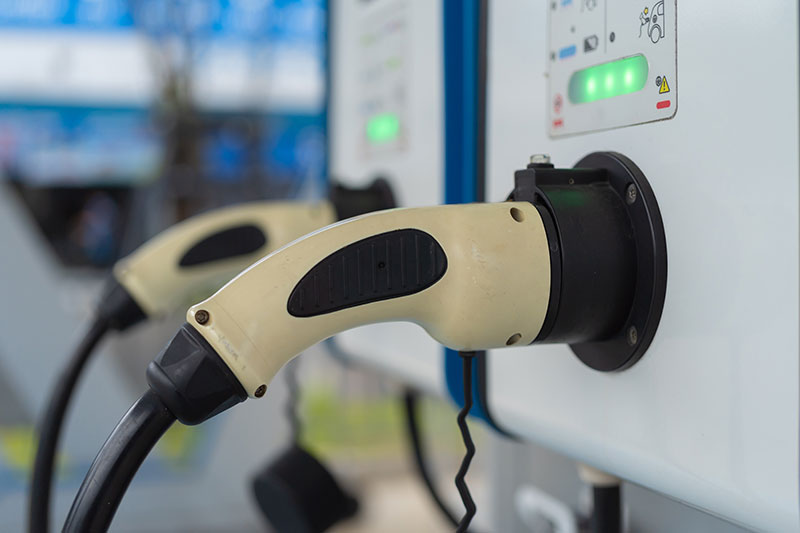
The shift to electric vehicles is happening now in Australian businesses. It affects commercial offices, industrial facilities, retail centres and mixed-use developments. Employees expect access to EV charging at work. Organisations face pressure to meet sustainability targets while controlling energy costs.
Existing buildings present a unique challenge. Their infrastructure was not designed for EV charging loads. Workplace EV energy management therefore becomes essential. A well-planned retrofit can add EV capability without expensive electrical upgrades or operational risks.
This guide explains how to implement workplace EV energy management in an existing Australian building. It focuses on practical steps and real-world constraints.
Key Points
Assess your building’s actual energy profile with real-time monitoring rather than static estimates to avoid unnecessary upgrades.
Understand site-specific charging needs based on vehicle dwell times and user priorities to enable effective scheduling.
Apply dynamic load balancing to adjust EV charging power in real time according to overall building demand.
Integrate EV systems with solar generation, battery storage and building management systems for optimised performance.
Install advanced metering for accurate visibility, cost allocation and ongoing optimisation.
Use SATEC metering solutions to deliver precise data and power quality monitoring tailored to Australian retrofit conditions.
Understanding the challenge in existing buildings
Retrofitting EV charging is more than installing chargers. The main issue is energy distribution and management across the site. Most Australian buildings operate near electrical capacity during peak periods. Adding multiple EV chargers without proper controls can cause overloading of switchboards and transformers, higher peak demand charges from distributors, power quality issues that affect sensitive equipment and unexpected outages.
Workplace EV energy management controls when and how energy is used. It allows EV charging to integrate safely with the existing electrical system.
Step 1: Assess your existing electrical infrastructure
Begin with a detailed review of your building’s energy profile. Examine main supply capacity, daily load patterns, peak demand periods and available spare capacity under various conditions. Review distribution board layouts and any constraints.
Many organisations use static estimates that lead to overly conservative assumptions and higher costs. Real-time monitoring over several weeks provides accurate data on when capacity is available. This information underpins any successful workplace EV energy management strategy.
Step 2: Define charging requirements and user behaviour
Workplace charging needs vary. A corporate office differs from a logistics depot or retail site. Consider the expected number of EVs now and in future, average vehicle dwell times, required charging speeds and priority users such as fleet vehicles. Many vehicles stay parked for several hours.
This allows staggered charging without disrupting users. Such flexibility makes energy management particularly effective in retrofits.
Step 3: Implement load management strategies
Load management forms the core of workplace EV energy management. It keeps charging within available capacity while meeting user needs. A fixed cap on total EV charging load is simple but does not adapt to changing conditions. Dynamic load balancing adjusts charging power in real time based on building demand.
When overall load is low, EV charging can increase. When demand rises, it reduces automatically. Priority-based charging gives certain users or vehicles preferred access to available energy.
Dynamic load balancing is usually the most effective choice for existing buildings. It maximises use of available capacity without compromising performance.
Step 4: Integrate with building energy systems
Treat EV charging as part of the overall energy framework rather than a separate system. Connect it with building management systems, solar generation where available, battery storage and demand response programs. This setup lets charging respond to site-wide conditions. For instance, it can increase during high solar output or decrease in peak tariff periods.
Workplace EV energy management then becomes a coordinated process.
Step 5: Install smart metering and monitoring
Accurate measurement is essential for control and optimisation. Smart metering supports real-time tracking of EV loads, identification of peak drivers, allocation of usage to users or departments and detection of inefficiencies.
Advanced metering creates a data-rich environment for continuous improvement. This area is where many retrofit projects fall short if only basic options are used.
Step 6: Plan for scalability
EV adoption continues to grow. Design the system to expand from a small initial number of chargers to more in coming years. Choose modular infrastructure, software platforms that support added devices and flexible load management rules.
Forward planning reduces future rework and protects the initial investment.
The role of SATEC in workplace EV energy management
Advanced metering and real-time visibility are central to effective workplace EV energy management. SATEC’s power quality meters and energy monitoring systems suit EV charging environments. They provide high-resolution data on voltage, current, harmonics and demand.
In retrofits these meters install at main incomers, distribution boards and EV circuits. This mapping shows how EV charging interacts with existing loads. Facility managers gain clear visibility.
The data feeds into Expertpower. This enables real-time monitoring and analysis that supports dynamic load balancing and peak demand reduction.
SATEC’s compact designs fit well where switchboard space is limited. Installation requires minimal changes to existing infrastructure. Power quality monitoring also detects harmonics and disturbances from chargers early. This protects equipment and maintains stability.
Avoiding common pitfalls
Overestimating capacity often leads to unnecessary upgrades when real data is lacking. Installing chargers without coordinated energy management can create demand spikes and higher costs. Limited visibility makes optimisation and troubleshooting difficult.
Workplace EV energy management provides structure, control and insight from the start. It helps avoid these issues.
Moving forward with confidence
Existing Australian buildings can support EV charging without major upgrades. Success comes from understanding current energy use, applying dynamic load control and using advanced metering.
Organisations that act proactively will support their workforce, manage costs and achieve sustainability goals as EV adoption accelerates.
FAQs - How to Implement Workplace EV Energy Management in Existing Buildings (Retrofit Guide)
It depends on the existing electrical infrastructure. With proper workplace EV energy management and dynamic load balancing, existing Australian buildings may support EV charging using available spare capacity.
Dynamic load balancing continuously adjusts EV charging power based on the building’s overall demand in real time. When building load is low, charging speeds increase; when demand rises, it automatically reduces to stay within safe limits.
Yes. Integrating EV charging with solar generation allows excess solar energy to power vehicles preferentially. This maximises self-consumption, reduces peak demand charges and improves overall energy efficiency.
SATEC meters provide high-resolution, real-time data and power quality monitoring in a compact design that fits limited switchboard space. They deliver the accurate visibility needed for effective dynamic load management without major infrastructure changes.
Explore related topics:
For Your Industry
Standards & Compliance
Related Reading
- DC Meters For EV Chargers: What They Do, Why They Matter And How To Choose
- How To Improve Load Factor And Reduce Electricity Demand Charges In Australia
- How to Reduce Harmonic Distortion: Filters, Monitoring and Best Practices
Trending in Your Sector


