

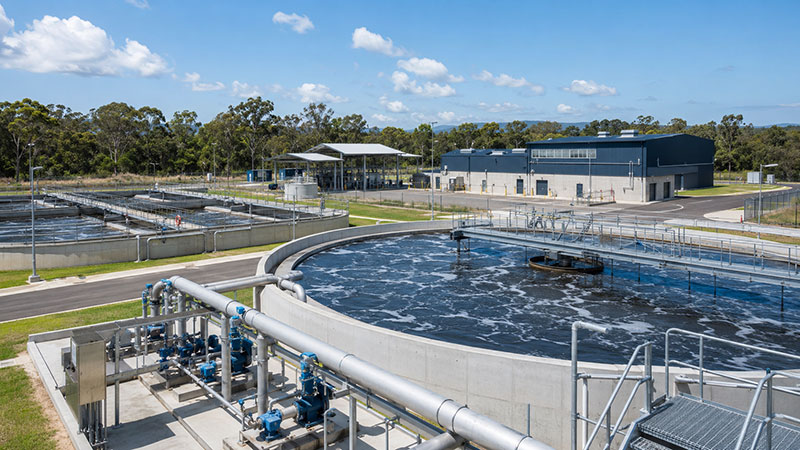
Wastewater treatment is essential infrastructure for Australian councils, water corporations and industrial sites. It is also energy intensive. Pumps, blowers, aeration systems, mixers and dewatering equipment can run for long periods every day. When electricity use is not measured in enough detail, rising costs become hard to explain and even harder to control.
Energy metering gives operators a clearer view of where electricity is used across the treatment process. Instead of relying only on the main utility bill, teams can examine individual loads, compare operating periods and find equipment that draws more energy than expected. This creates a practical basis for reducing costs without affecting treatment performance or reliability.
Key Points
Wastewater treatment is highly energy intensive and aeration is often the single largest electricity user.
A utility bill shows total use but cannot explain which pump, blower or process is driving a cost increase.
Submetering separates major loads so operators can compare equipment and find inefficiency.
Energy data reveals worn or poorly controlled pumps and helps lower demand charges through staggered starts and better sequencing.
Power quality monitoring helps explain motor trips, overheating and control faults at critical stations.
SATEC meters feeding into Expertpower give operators central visibility across plants and remote pumping stations to guide maintenance and investment.
Why Wastewater Treatment Uses So Much Energy
The energy profile of a treatment plant is shaped by several processes. Incoming wastewater must be moved through the site. Aeration systems must maintain biological treatment conditions. Sludge must be pumped, processed and dewatered. Many networks also run remote sewage pumping stations that feed the main plant.
Aeration is usually one of the largest energy users. Blowers may need to respond to changing loads through the day and poorly tuned controls can push them to run harder than needed. Pumping can also take a large share of consumption, especially where wastewater is lifted over long distances or against high head pressure.
Costs rise further when equipment is worn, oversized or working outside its efficient range. A pump may still perform its basic duty while drawing more power than it should. Without detailed metering this loss of efficiency stays hidden inside the total site bill.
Moving Beyond The Utility Meter
A utility meter is useful for billing and overall tracking. It cannot show which process is responsible for an increase. If total electricity use rises, operators still need to work out whether the cause is a blower, a pump, a dewatering system or a change in treatment demand.
Submetering separates major loads and process areas. Meters can be installed on main incomers, motor control centres, pumps, blower circuits and other high consumption equipment. This lets teams compare energy use across assets and build a clearer picture of site performance.
The same approach works across remote pumping stations. Energy data from each site can be reviewed centrally. This helps water utilities find stations with unusually high consumption, excessive cycling or changes in operating behaviour.
Identifying Inefficient Pumps And Motors
Pumps are critical to wastewater treatment and sewage transport. They can become inefficient through wear, blockages, ragging, incorrect control settings or changing system conditions.
Metering can reveal these issues by tracking power demand, current, operating hours and load profiles. A pump that starts drawing more power for the same duty may need inspection. A station that begins cycling more often may be responding to a control problem or changing inflow.
Comparing similar pumps is also useful. If two pumps do the same task and one uses more energy, the difference may point to mechanical wear, hydraulic problems or poor efficiency. This helps maintenance teams focus where a result is most likely.
Reducing Peak Demand Costs
Wastewater sites may be charged for both electricity consumption and peak demand. Several large pumps or blowers starting together can create a short demand peak that lifts the monthly bill.
Metering helps operators see when these peaks occur and which equipment contributes. Once the cause is clear, the site may be able to stagger equipment starts, revise control sequences or shift flexible processes away from peak periods. These changes can cut demand costs without reducing treatment capacity.
Measuring The Value Of Equipment Upgrades
Wastewater operators regularly invest in new pumps, motors, variable frequency drives and aeration controls. These projects are often justified by predicted savings. The actual result should be verified.
Accurate metering lets teams set a baseline before an upgrade and compare it with performance afterwards. Changes in flow, treatment load and operating hours can be taken into account so the comparison is fair.
This gives managers stronger evidence for future decisions. It also confirms whether a project is delivering the expected return or whether further commissioning and optimisation are needed.
Tracking Meaningful Energy Performance
Metering provides a reliable basis for monitoring performance over time. Facilities can track total consumption as well as energy intensity measures such as kilowatt hours per kilolitre treated.
Energy intensity is often more useful than total consumption alone. A plant may use more electricity in a wet weather period because it is treating more wastewater. Comparing energy use with treatment volume helps operators separate genuine inefficiency from normal changes in demand.
Data gathered over time also makes it easier to spot seasonal patterns, compare sites and set realistic reduction targets. Reports can support budgeting, energy management and emissions reporting. Australian benchmarking work such as the WSAA and Intelligent Water Network energy benchmarking gives utilities a way to compare plant performance across the sector.
Power Quality And Critical Equipment
Treatment plants often run large motors and variable frequency drives. These loads can create or be affected by power quality issues such as voltage imbalance, harmonics and voltage sags.
Poor power quality can contribute to motor heating, nuisance trips, control problems and reduced equipment life. Standard energy figures may not explain these events. Power quality capable meters provide deeper information that helps engineering teams investigate recurring faults and understand whether electrical conditions are affecting equipment. In Australia this monitoring supports local power quality standards such as AS 61000.3.6.
This matters most at critical pumping stations where an unexpected shutdown can create operational, environmental and compliance risks.
Comparing Metering Approaches
| Capability | Utility Meter Only | Multifunction Submetering | Power Quality Metering |
|---|---|---|---|
| Total Site Energy Use | Yes | Yes | Yes |
| Energy Use By Individual Load | No | Yes | Yes |
| Demand Peak Attribution | Site total only | By load and area | By load and area |
| Pump And Motor Efficiency Trends | No | Yes | Yes |
| Harmonics And Disturbance Capture | No | Limited | Yes |
| Voltage Dips Swells And Unbalance | No | No | Yes |
| Central View Of Remote Stations | No | Yes | Yes |
| Typical SATEC Solution | Not applicable | PM130 or BFM136 | PM180 or PRO Series |
SATEC Energy Metering For Wastewater Treatment
SATEC provides metering solutions that support energy management across wastewater treatment plants and sewage pumping infrastructure. Multifunction meters such as the PM130 monitor energy, demand, current, voltage and power factor across main supplies and individual process loads.
These meters suit pumps, blowers, motor control centres and other major equipment. Where many circuits must be monitored in a compact space, the BFM136 provides multi-circuit branch metering.
For sites with power quality concerns, the PM180 and PRO Series capture harmonics, voltage dips, swells, flicker and unbalance. This helps engineers investigate trips, overheating and unexplained equipment behaviour. Both are Class A power quality instruments and generate EN50160 reports as standard.
Meter data can be brought into Expertpower for centralised monitoring, reporting and analysis. Operators can review multiple meters and sites from one platform, compare performance over time and find unusual patterns across plants and remote pumping stations.
This mix of accurate metering and accessible software gives operators the information needed to reduce waste, verify improvements and make better maintenance and investment decisions.
Turning Data Into Lower Operating Costs
Installing meters does not reduce energy costs on its own. The value comes from using the data to guide action.
A practical metering strategy starts with the largest and most critical loads. Teams can review demand patterns, compare similar equipment and investigate unexpected changes. Over time the data becomes an operational record that supports maintenance, control improvements and capital planning.
Wastewater treatment will always need energy. Detailed metering makes it possible to use that energy more efficiently while keeping the reliability and treatment performance communities depend on.
FAQs - How Energy Metering Can Reduce The Cost Of Wastewater Treatment
Why does wastewater treatment use so much electricity?
Aeration, pumping and sludge processing run for long periods every day. Aeration alone is often the single largest energy user at a plant.
What is the difference between a utility meter and submetering?
A utility meter records total site consumption for billing. Submetering measures individual loads so operators can see which pumps, blowers or areas are driving energy use.
Can energy metering help reduce peak demand charges?
Yes. Metering shows when demand peaks occur and which equipment causes them so starts can be staggered or flexible processes shifted away from peak periods.
Do I need a power quality meter or a standard energy meter?
Standard multifunction meters suit consumption and demand monitoring. Power quality meters are worth considering where large motors and variable frequency drives cause harmonics, trips or unexplained faults.
Explore related topics:
Related Reading
- Energy Audit vs Energy Monitoring: Why Australian Sites Need Both
- How Energy Management Solutions Help Reduce Peak Demand Charges
- What Is A Power Energy Data Logger And When Should You Use One?
Trending in Your Sector


