

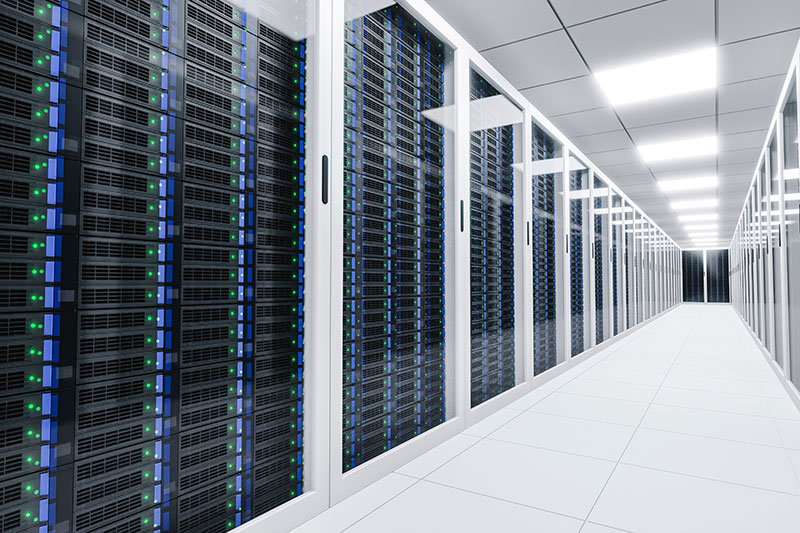
AI is reshaping the electrical behaviour of data centres across Australia. Hyperscalers and colocation providers are expanding rapidly to meet growing demand for Graphics Processing Units (GPU) compute. As AI infrastructure scales up, the electrical patterns inside these facilities are becoming more complex and harder to manage with traditional reporting tools.
GPU training and inference workloads create rapid changes in power demand as models start, pause, scale or shift between tasks. These changes appear as fast ramps, sudden steps or repeated bursts across racks, pods and feeders. For Australian facility operators, this represents a visibility challenge that standard energy reports were not designed to address.
AI data centre load monitoring gives teams a clearer view of how power demand changes from moment to moment. In colocation and high density AI environments, one tenant may run steady workloads while another creates repeated demand bursts. Without the right metering strategy, both can appear similar in a monthly energy report.
Key Points
AI workloads create rapid and unpredictable changes in electrical demand that standard energy reports often fail to capture.
A noisy rack or pod is defined by the frequency and severity of its load changes rather than total energy consumption.
Fifteen-minute interval metering can conceal burst behaviour occurring within the interval, leaving operators without critical visibility.
Monitoring event density helps operators distinguish normal workload variation from operationally significant volatility.
Effective AI load monitoring supports capacity planning, alarm tuning, tenant reporting and cooling coordination across Australian data centres.
SATEC metering, combined with Expertpower software, provides the detailed electrical visibility needed to identify and manage noisy racks, pods and tenants.
What Makes a Rack, Pod or Tenant Noisy?
In an AI data centre, a noisy rack or pod is not necessarily the one using the most electricity. It is the one creating repeated or sudden changes in electrical load. That behaviour makes it harder to manage available capacity, Uninterruptible Power Supply (UPS) headroom and cooling response.
A rack can become noisy when GPU workloads ramp up sharply within seconds. A pod can become noisy when multiple racks change state at the same time. A tenant can become noisy when workload patterns create frequent spikes that affect shared electrical infrastructure.
This is where AI data centre load monitoring becomes more valuable than basic consumption reporting. It helps operators move from asking how much energy was used to understanding what changed, where it happened and how often it is occurring.
Why Standard Reports Can Miss the Problem
Many energy reports are designed around billing, sustainability or general performance tracking. A fifteen-minute interval may show average demand but may not show the burst that occurred within the interval or the repeated transitions that placed pressure on a feeder. This interval length also aligns with metering obligations under the Australian Energy Market Operator framework for large energy users.
While appropriate for billing and compliance purposes, it is not designed to capture the sub-second electrical behaviour that AI workloads produce. AI workloads can change quickly. Training jobs may start or stop. Inference activity may rise in response to user demand. GPU utilisation may shift across clusters. These movements create sharp changes in kW and current.
When operators see only aggregated data, noisy behaviour can be hidden. Better visibility helps operators understand not just the level of demand but the pattern of demand.
How AI Data Centre Load Monitoring Detects Noisy Behaviour
Effective monitoring starts with the right metering points. Rack or branch level monitoring can identify burst behaviour close to the source. Pod or row feeder monitoring can show whether groups of racks are creating fast transitions. UPS and main level monitoring can confirm whether those changes are large enough to affect headroom or escalation thresholds.
The key is to monitor change and not only consumption. Operators need to know when the present value differs sharply from the previous value or from a moving baseline. This can reveal a sudden step in load, a repeated ramp or a burst pattern that points to specific equipment, pods or tenants. Once these changes are measured, they can be converted into time-stamped events.
Over time, the event history becomes valuable. Operators can see which racks generate the most bursts, which pods create the highest event density and which tenants are associated with repeated volatility.
SATEC as the Metering Solution
With more than 50 years of experience in electrical measurement, the SATEC energy metering range is well suited to detailed monitoring across complex commercial, industrial and critical infrastructure environments.
For AI data centres, products such as the PM180, PRO Series and PMU PRO can be applied at key points in the electrical hierarchy to capture load behaviour that standard reporting may miss. At the rack, branch or iPDU level, these meters can identify burst activity in kW or current. At the pod or row feeder level, they support visibility of fast transitions across groups of racks. At the UPS or main level, they help operators understand whether step changes are large enough to affect available headroom.
Power quality visibility is also supported across the range. This matters in critical facilities where reliability and electrical stability are closely linked. Integration with systems such as SCADA, BMS and energy analytics platforms is available through common industry protocols. This allows data centre operators to bring electrical load information into the operational systems they already use rather than creating another isolated data source.
For Australian operators where trade metering accuracy is a regulatory requirement, the EM133-XM and the BFM136 hold this approval and are the appropriate choice where NMI-compliant metering is required.
Expertpower adds the software layer by turning metering data into monitoring, analytics, reporting and alerts. Where enabled, operators can view demand, voltage, current, power factor, frequency, alarms and other electrical measurements through the Expertpower platform. This combination of accurate metering and software visibility gives operators a stronger basis for identifying noisy racks, pods and tenants.
Turning Visibility into Action
The real value of AI data centre load monitoring is not just finding spikes. It is helping operators make better decisions. A well designed monitoring strategy can support capacity planning, alarm tuning, tenant reporting, cooling coordination and post-event investigation.
An operator may use baseline data from the first few days of operation to understand normal behaviour at each metering point. From there, alarm tiers can be adjusted so that minor changes are logged while more serious events are escalated. AI data centres need visibility into fast electrical behaviour at the points where it matters most. Noisy racks, pods and tenants can affect headroom, cooling coordination and operational confidence even when total energy use appears acceptable.
With the right meters in the right locations, noisy behaviour can be identified, trended and managed before it becomes a larger operational problem.
FAQs - AI Data Centre Load Monitoring
What is the difference between a noisy rack and a high-consumption rack?
A noisy rack is one that creates frequent or sudden changes in electrical load rather than simply using a large amount of power. A rack running steady, predictable workloads can consume significant energy without causing any operational stress to the facility.
Why does fifteen-minute interval metering miss AI workload behaviour?
GPU workloads can ramp, spike or shift within seconds, meaning the burst may be over long before the interval is recorded. The fifteen-minute average gives no visibility into what happened inside that window.
What is event density and why does it matter?
Event density is the number of significant load changes a rack, pod or tenant produces over a given period. It helps operators identify which parts of the facility are creating repeated electrical stress rather than focusing only on peak or average demand figures.
How does AI load monitoring support cooling coordination in a data centre?
When load monitoring detects a rapid rise in electrical demand across a pod or row, that information can be used to anticipate the corresponding heat load before temperatures climb. This gives cooling systems and facility teams more time to respond rather than reacting after the fact.
Explore related topics:
For Your Industry
Standards & Compliance
Related Reading
- What Happened Before The Power Failure? How Historical Energy Data Supports Root Cause Analysis
- Triplen Harmonics Explained: How Harmonic Spectra Reveal Neutral Conductor Overloading
Trending in Your Sector


