
Discover how harmonics monitoring systems prevent equipment failure, ensure IEEE-519 compliance and protect operational uptime in Australian manufacturing, healthcare and data centre facilities.
Power quality plays a critical role in the reliability, efficiency and performance of modern electrical systems. Voltage sags, swells, harmonics, transients, interruptions and other disturbances can disrupt sensitive equipment, increase energy losses and contribute to unexpected downtime or premature equipment failure.
This page serves as your knowledge hub for power quality monitoring and analysis. From understanding common electrical disturbances and compliance standards to investigating equipment issues and improving network performance, you will find practical guidance, technical information and expert updates. Explore how advanced power quality analysers and monitoring software can help identify problems, verify performance and provide the data needed to maintain more stable and reliable electrical systems.

Data centres, hospitals, airports and other critical facilities depend on a stable electrical supply to maintain essential operations.
Voltage sags, transients, harmonics and interruptions can affect sensitive electronic equipment, trigger unexpected shutdowns and compromise system reliability. Continuous power quality monitoring helps facility operators detect disturbances, investigate their source and verify the performance of electrical infrastructure, UPS systems and backup generation. Reliable data supports faster fault investigation and helps reduce the risk of costly downtime.

Modern industrial sites use variable frequency drives, motors, automation systems and other non-linear loads that can introduce harmonics and additional stress into the electrical network.
Poor power quality may cause equipment overheating, nuisance tripping, reduced motor efficiency and premature component failure. Advanced monitoring provides visibility into harmonics, voltage imbalance, flicker, power factor and other electrical conditions. This allows operators to identify emerging problems, assess corrective measures and improve the reliability and efficiency of production equipment.

Electricity networks are becoming more complex as solar farms, wind generation, battery storage and distributed energy resources connect to the grid.
Power quality monitoring helps network operators and renewable energy developers assess voltage performance, frequency behaviour, harmonics and disturbances at critical connection points. Accurate data supports grid compliance, commissioning, disturbance investigation and ongoing performance verification. As Australia’s energy system continues to evolve, dependable power quality analysis is essential for maintaining a stable and resilient network.

Discover how harmonics monitoring systems prevent equipment failure, ensure IEEE-519 compliance and protect operational uptime in Australian manufacturing, healthcare and data centre facilities.

Complete guide to facility-level power quality measurement and rapid voltage change monitoring aligned with IEC 61000-4-30 Class A standards for Australian industrial facilities.

Learn what PMU grid events are, how phasor measurement units detect disturbances and why high-resolution monitoring matters – plus how SATEC provides the metering solution.
power quality analysers smart grid 
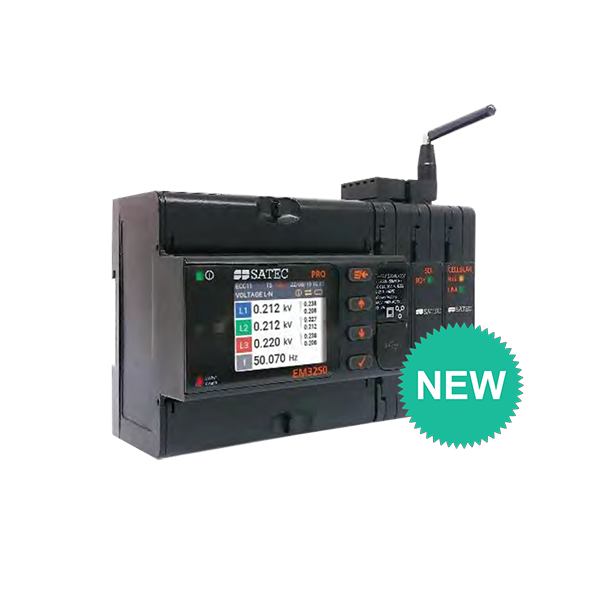
eXpertPRO™ DIN EM235 Power Quality Analyser
power quality analysers 
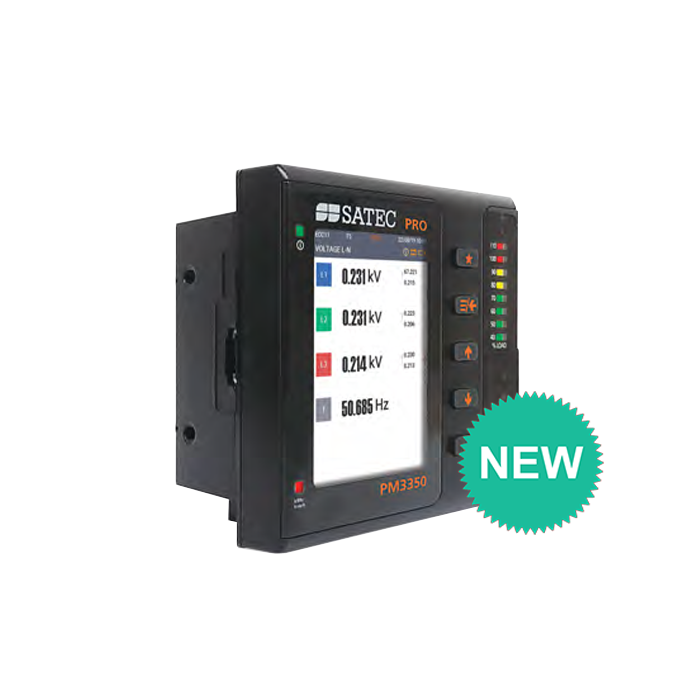
eXpertPRO™ PM335 Power Quality Analyser
power quality analysers 
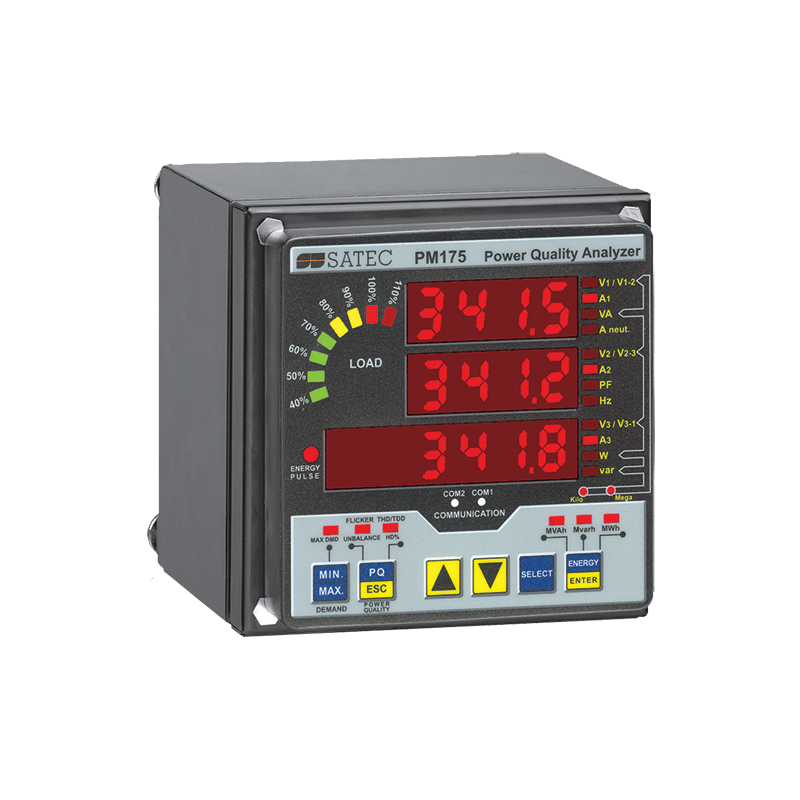
PM175 Power Quality Analyser
pmu power quality analysers smart grid 
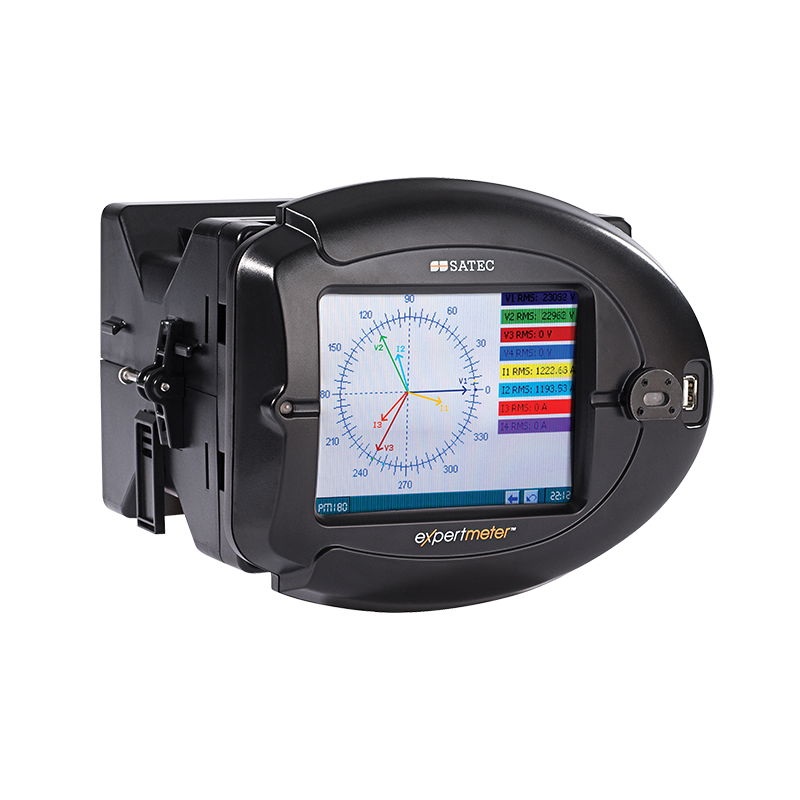
PM180 PQ Analyser, Automation Controller, PMU
power quality analysers smart grid 
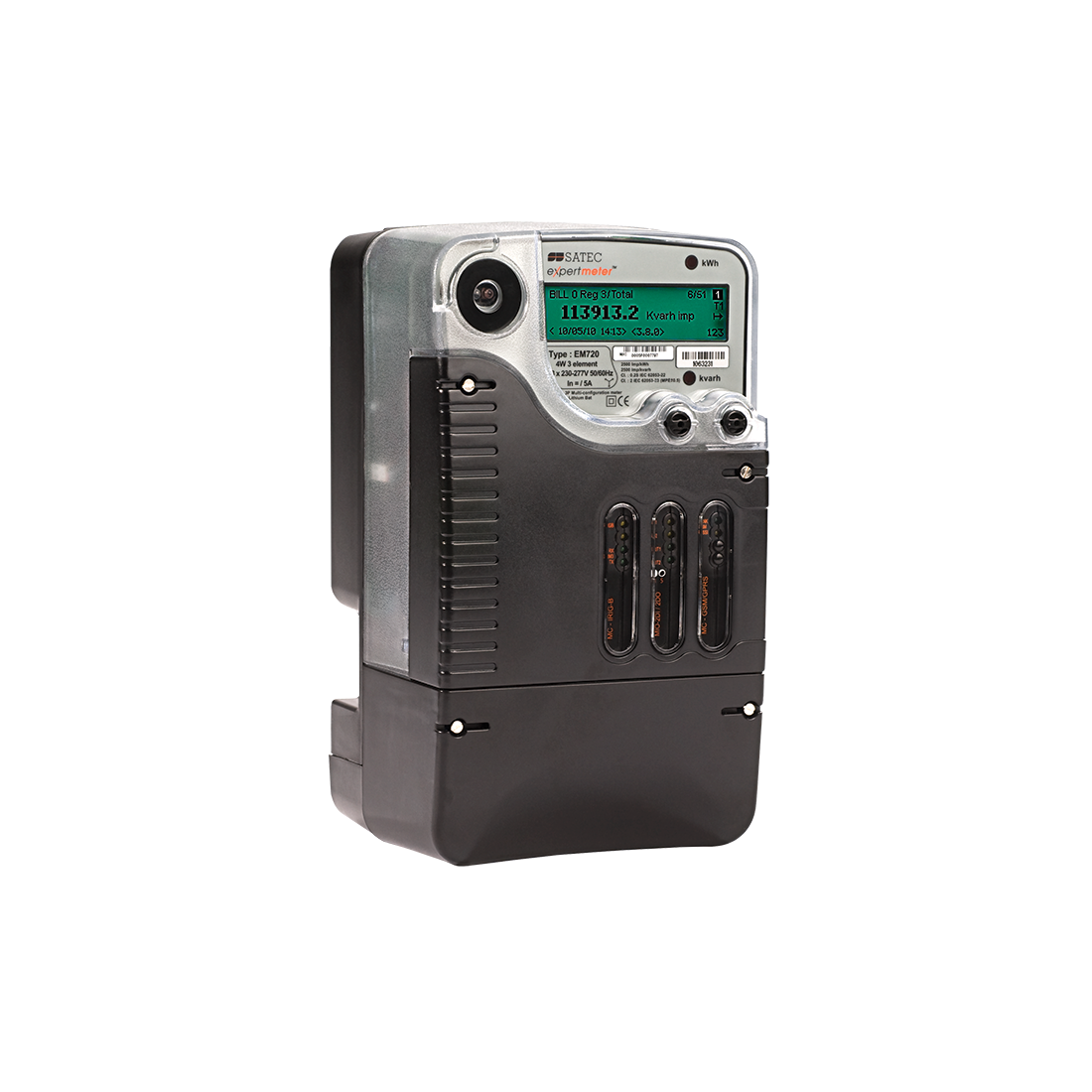
eXpertmeter EM720 Power Quality Analyser
power quality analysers ![]()
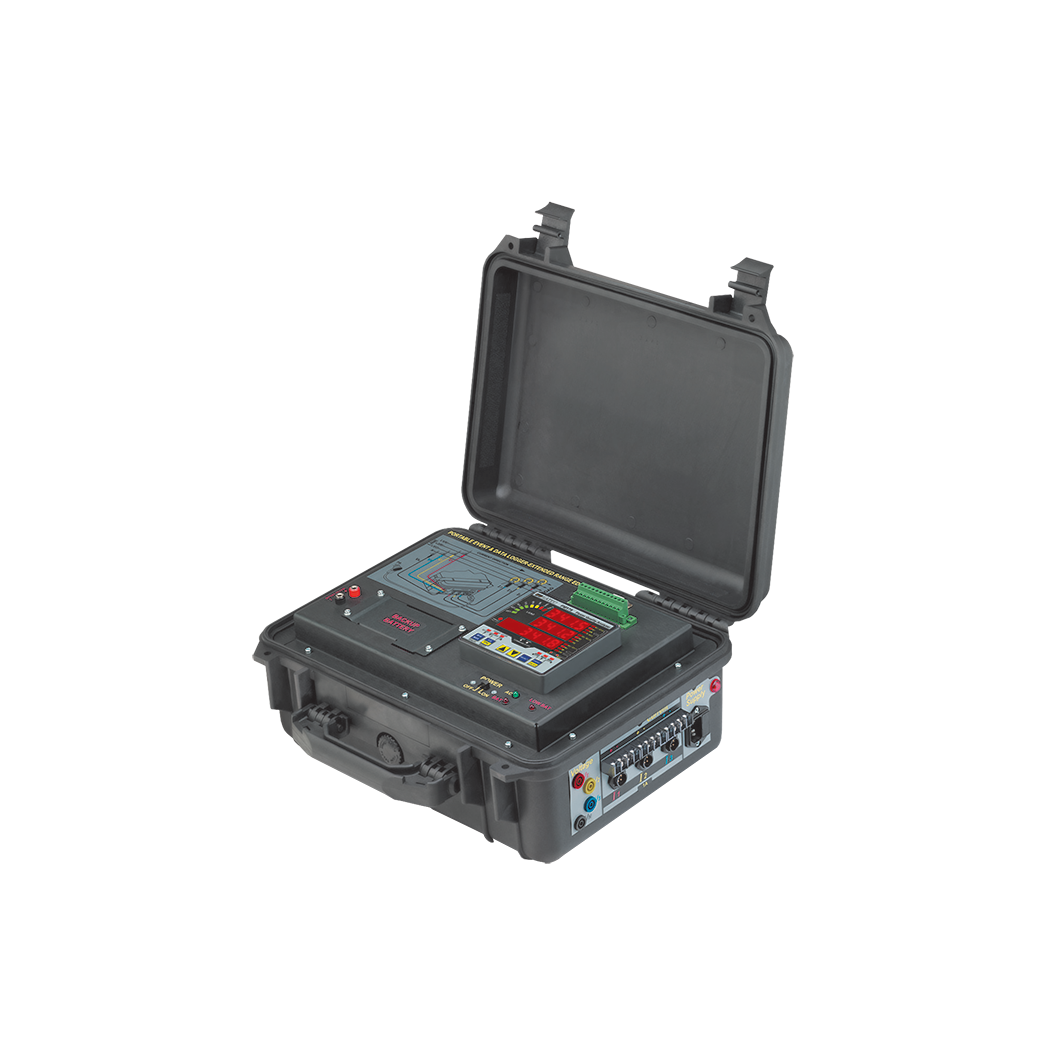
EDL175 Portable Power Analyser
jQuery.noConflict(); jQuery(document).ready(function($){ "use strict";
$(window).load(function(){
$("#randomlij0w5vnkgiwxfx6a4fn_port .optionset li a").each(function() {
var filter_class = $(this).attr('data-option-value'); if ($('#randomlij0w5vnkgiwxfx6a4fn_port').find(filter_class).length){ // implies *not* zero $(this).parent('li').show(); }else{ $(this).parent('li').hide(); }
});
$('#portfolio-tags').css('opacity','1'); function watchport() {
$("#randomlij0w5vnkgiwxfx6a4fn_port .portfolio_block").isotope('layout');
}
setInterval(watchport, 100);
});
});
The Power Quality Blog Library is designed to be your central hub for understanding the electrical issues that can affect equipment performance, system reliability and operational costs. As electrical networks become more complex, disturbances such as harmonics, voltage sags, swells, transients, flicker and interruptions are becoming increasingly important to identify and manage. Our collection of blogs explores power quality standards, monitoring methods and practical applications to help you better understand what is happening within your electrical system.
Here you’ll find practical insights into common power quality problems, their causes and the steps organisations can take to investigate and reduce their impact. From harmonic distortion and voltage imbalance through to compliance with IEC 61000-4-30 and the selection of Class A or Class S monitoring equipment, this library brings together clear and actionable content to support facility managers, engineers, utilities, renewable energy developers and industrial operators in maintaining safer, more reliable electrical networks.
jQuery.noConflict();
jQuery(document).ready(function($){ "use strict";
/*!!!!!!!!!!!!!!!!!!!!!!!!!!!!!!!!CONFIG!!!!!!!!!!!!!!!!!!!!!!!!!!!!!!!!!!!*/
var html_template = "type1"; var column = "blog_4_col"; var cat = "power-quality"; var tn_size = ""; var more_option = "cutted"; var order = "DESC"; var orderby = "date"; var now_open_works = 0; var first_load = true;
/*!!!!!!!!!!!!!!!!!!!!!!!!!!!!!!!!CONFIG!!!!!!!!!!!!!!!!!!!!!!!!!!!!!!!!!!!*/
function get_blog_posts (this_obj) {
if(typeof(this_obj)=="undefined") {data_option_value="*";} else {var data_option_value = this_obj.attr("data-option-value");}
if (first_load == true) {
var works_per_load = 5; first_load = false;
} else {
var works_per_load = 4;
}
$.ajax({
type: "POST", url: mixajaxurl, data: "html_template="+html_template+"&now_open_works="+now_open_works+"&action=get_blog_posts"+"&works_per_load="+works_per_load+"&column="+column+"&first_load="+first_load+"&category="+cat+"&tn_size="+tn_size+"&more_option="+more_option+"&order="+order+"&orderby="+orderby+"", success: function(result){
if(result.length<1){ $(".rd_m0u0qejo8jnru6x8al3x.blog_load_more_cont a").html("No more posts"); } now_open_works = now_open_works + works_per_load; first_load = false; var $newItems = $(result); $("#rd_m0u0qejo8jnru6x8al3x").isotope( 'insert', $newItems, function() { $("#rd_m0u0qejo8jnru6x8al3x").ready(function(){ $("#rd_m0u0qejo8jnru6x8al3x").isotope('layout'); //Blog $('#rd_m0u0qejo8jnru6x8al3x .isotope-item').each(function(){ $(this).css('margin-top', Math.floor(-1*($(this).height()/2))+'px'); }); }); $("#rd_m0u0qejo8jnru6x8al3x").isotope('layout'); $(window).trigger('resize'); }); $(".wpb_row:empty").remove(); $(".wpb_column:empty").remove(); $(".wpb_wrapper:empty").remove(); $(".post-attachement").fitVids(); $(".entry").fitVids(); $(".video_sc").fitVids(); /* global mejs, _wpmejsSettings */ // add mime-type aliases to MediaElement plugin support mejs.plugins.silverlight[0].types.push('video/x-ms-wmv'); mejs.plugins.silverlight[0].types.push('audio/x-ms-wma'); $(function () { var settings = {}; if ( typeof _wpmejsSettings !== 'undefined' ) { settings = _wpmejsSettings; } settings.success = function (mejs) { var autoplay, loop; if ( 'flash' === mejs.pluginType ) { autoplay = mejs.attributes.autoplay && 'false' !== mejs.attributes.autoplay; loop = mejs.attributes.loop && 'false' !== mejs.attributes.loop; autoplay && mejs.addEventListener( 'canplay', function () { mejs.play(); }, false ); loop && mejs.addEventListener( 'ended', function () { mejs.play(); }, false ); } }; $('.wp-audio-shortcode, .wp-video-shortcode').mediaelementplayer( settings ); }); $('.wp-audio-shortcode').removeClass('wp-audio-shortcode'); $('.flexslider').flexslider({ animation: "slide", //String: Select your animation type, "fade" or "slide" slideDirection: "horizontal", directionNav: true, start: function(slider){ // init the height of the first item on start var $new_height = slider.slides.eq().height(); slider.height($new_height); }, before: function(slider){ // init the height of the next item before slide var $new_height = slider.slides.eq(slider.animatingTo).height(); if($new_height != slider.height()){ slider.animate({ height: $new_height }, 400); } } }); $('.zilla-likes').unbind().bind('click', function() { var link = j$(this); if(link.hasClass('active')) return false; var id = $(this).attr('id'), postfix = link.find('.zilla-likes-postfix').text(); $.post(zilla_likes.ajaxurl, { action:'zilla-likes', likes_id:id, postfix:postfix }, function(data){ link.html(data).addClass('active').attr('title','You already like this'); }); return false; }); if( $('body.ajax-zilla-likes').length ) { $('.zilla-likes').each(function(){ var id = $(this).attr('id'); $(this).load(zilla_likes.ajaxurl, { action:'zilla-likes', post_id:id }); }); } $('a.prettyPhoto').prettyPhoto(); $(".refresh_icn").removeClass("fa-spin"); $(".refresh_icn").removeClass("fa-refresh"); $(".refresh_icn").addClass("fa-plus"); } }); } $(".get_blog_posts_btn").click(function(){ $(".refresh_icn").removeClass("fa-plus"); $(".refresh_icn").addClass("fa-refresh"); $(".refresh_icn").addClass("fa-spin"); get_blog_posts(); $(".masonry_ctn").isotope('layout'); return false; }); /* load at start */ $(window).load(function(){ get_blog_posts(); $('.masonry_ctn').isotope({ // options itemSelector : '.ajax_post', layoutMode : 'masonry' }); function watchblog() { $(".masonry_ctn").isotope({ // options itemSelector : '.ajax_post', layoutMode : 'masonry' }); } setInterval(watchblog, 100); });});
Learn how three phase EV charging and intelligent load management can prevent site overloads, control peak demand and support future EV growth.
Variable frequency drives (VFDs) are everywhere in Australian facilities. They run HVAC systems, pumps, fans, compressors and manufacturing equipment. They improve motor control and cut energy use by matching speed to demand. A site may see a poor power factor reading and reach for a capacitor bank. That can work for directly connected motors. VFDRead more
Discover how historical energy data helps identify the causes of power failures, reconstruct events and support faster root cause analysis.
Learn how energy management for casinos can reduce 24/7 operating costs through smarter metering, demand control and energy visibility.
Explore the hidden risks of harmonic distortion in data centres and how advanced SATEC metering helps monitor power quality as AI demand grows.
Understand what an EN50160 power quality report tells you, why it matters and how SATEC metering solutions help monitor site power quality.
LGC energy data matters as load growth and renewable energy claims become more complex. See why smarter metering helps businesses act with confidence.
Learn how power visibility helps reduce data centre stranded capacity and how SATEC metering solutions support smarter data centre energy decisions.
Discover how PAS helps reconstruct what happened before an electrical event and how SATEC meters provide the data needed for forensic power analysis.
Discover how smart energy monitoring for supermarkets turns meter data into real savings with better visibility, faster fault detection and SATEC metering solutions.
Get fortnightly updates delivered straight to your inbox.
SATEC – Solutions And Technology for Energy Control
SATEC’s presence in Australia brings together 40 plus years of experience and knowledge for Energy Management Solutions.
The culmination of local expertise and SATEC’s Global leadership in metering, power quality analysers and software provides a source of knowledge to satisfy customer’s ever changing demands for today’s Energy and Power Quality Applications.
Learn how battery round-trip efficiency is calculated, where energy is lost and how accurate SATEC metering supports BESS performance analysis in Australia.
Learn how secondary settlement points could enable flexible energy trading, separate resource metering and greater provider choice in Australia.