

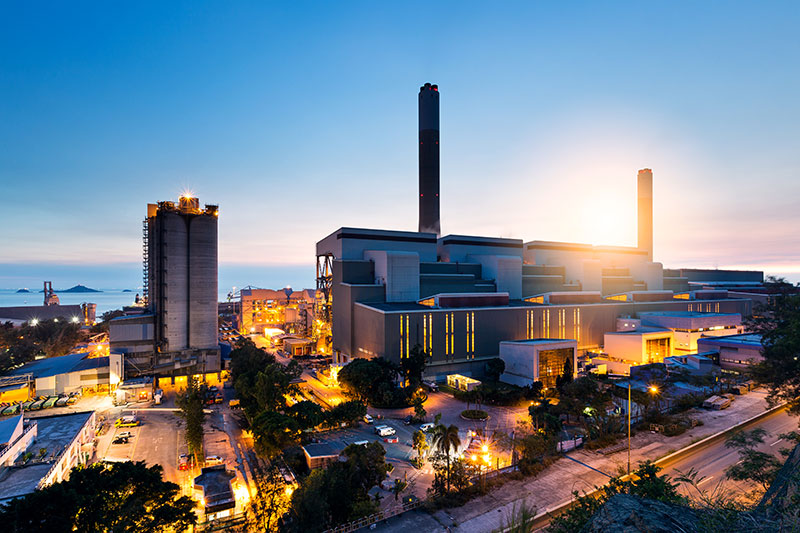
Energy monitoring is often discussed in terms of consumption, cost and efficiency. For industrial sites, however, measuring how much energy is used is only part of the story. The quality of that power matters just as much. A site may appear to be operating within expected energy usage patterns yet still experience hidden electrical issues that increase costs, disrupt equipment and shorten asset life.
This is where power quality becomes a vital part of an industrial energy monitoring system. By combining energy data with power quality insights, facility managers, engineers and operations teams can understand where electricity is being used. They can also see whether the electrical supply is stable, efficient and suitable for the equipment it supports.
Key Points
Power quality issues such as voltage dips, swells, harmonics and phase imbalance can occur even when overall energy consumption looks normal.
Poor power quality can cause equipment to overheat, trip or wear out prematurely, increasing maintenance costs.
Power quality data supports predictive maintenance by revealing abnormal electrical patterns before failures occur.
Monitoring across main incomers and distribution boards helps teams pinpoint where issues originate within a facility.
Addressing power quality issues such as poor power factor and harmonics can reduce energy waste and lower operating costs.
SATEC meters such as the PRO Series and PM180 provide the power quality measurement and monitoring capability needed to support these improvements, with Expertpower software turning the data into actionable insights.
What Is Power Quality?
Power quality refers to the condition of the electrical power supplied to equipment. In an ideal situation, voltage and current remain stable, balanced and free from distortion. In real industrial environments, this is rarely the case.
Machinery, variable speed drives, compressors, motors, pumps, welding equipment and large switching loads can all affect the electrical profile of a site. Common power quality issues include voltage dips, swells, harmonics, flicker, phase imbalance and poor power factor. These issues may be brief or intermittent which makes them difficult to detect without ongoing monitoring. They can also occur at different points across a facility, especially where equipment loads change throughout the day.
An industrial energy monitoring system that includes power quality measurement gives site teams the visibility needed to identify these issues early. Rather than relying on guesswork after a fault occurs, teams can use real data to understand what happened, where it happened and how often it is occurring.
Why Power Quality Matters In Industrial Environments
Industrial sites depend on reliable electrical performance. When power quality is poor, equipment can behave unpredictably. Motors may overheat, drives may trip, control systems may fault and sensitive electronics may suffer premature wear. Even when production does not stop completely, poor power quality can lead to reduced equipment efficiency and higher maintenance costs.
A power quality issue may also create energy waste. Poor power factor can increase apparent power demand and place additional strain on electrical infrastructure. Harmonics can cause excess heat in transformers, cables and motors. Voltage imbalance can reduce motor efficiency and increase operating temperatures. These problems are often invisible in standard energy bills.
A monthly invoice may show total consumption and demand charges but it will not explain why a motor is overheating or why nuisance tripping keeps occurring on a production line. An industrial energy monitoring system with power quality capability helps connect electrical behaviour with operational outcomes.
Moving Beyond Basic Energy Consumption Data
Basic energy monitoring can show how much electricity a site uses over a selected period. This is useful for budgeting, benchmarking and identifying high usage areas. Power quality monitoring adds another layer of intelligence.
For example, a facility may discover that energy consumption rises every afternoon when several large machines operate at the same time. A more advanced system may also reveal that this period coincides with voltage fluctuation, harmonic distortion or phase imbalance. That extra detail changes the conversation. Instead of simply noting higher energy use, teams can identify the electrical condition that may be affecting equipment performance and efficiency.
This type of insight is valuable for maintenance teams as well as energy managers. Maintenance teams can use power quality data to investigate recurring faults. Energy managers can use it to identify efficiency opportunities. Senior decision makers can use it to justify upgrades, equipment replacement or electrical infrastructure improvements.
Power Quality And Predictive Maintenance
Predictive maintenance relies on detecting early warning signs before equipment fails. Power quality data can support this by revealing abnormal electrical patterns that may indicate developing issues.
If a motor starts drawing current unevenly across phases, this may suggest a mechanical or electrical problem. If harmonic levels increase after new equipment is installed, it may indicate the need for filtering or further investigation. If voltage dips occur at the same time as equipment trips, the monitoring data can help confirm the likely cause.
An industrial energy monitoring system does not replace specialist maintenance expertise. It strengthens it. Instead of responding only after downtime occurs, teams can use electrical data to plan inspections and maintenance activities with greater confidence. This is particularly important in Australian industrial facilities where downtime is expensive.
A short interruption can affect production schedules, staff utilisation and customer commitments. Continuous monitoring gives teams a better chance of detecting issues before they become disruptive.
Supporting Energy Efficiency And Cost Control
Power quality is closely linked to energy efficiency. When electrical systems operate under poor conditions, equipment can draw more current, generate more heat and operate less efficiently. Over time, this can add unnecessary cost to the business. By monitoring voltage, current, power factor, harmonics and demand, an industrial energy monitoring system can help identify where electrical improvements may reduce waste.
These improvements could include load balancing, power factor correction, harmonic filtering, equipment upgrades or changes to operating schedules. The value is not only in finding one large saving. It is often in finding multiple smaller inefficiencies that add up across a site. Industrial facilities usually have many electrical loads operating at different times.
Without detailed monitoring, it can be difficult to know which areas deserve attention first. Power quality data helps prioritise action. It allows teams to focus on the parts of the site where poor electrical conditions are likely to affect cost, reliability or equipment performance.
Improving Visibility Across Complex Sites
Industrial facilities are rarely simple electrical environments. A single site may include production equipment, HVAC systems, refrigeration, compressed air, lighting, pumps, lifts, workshops and office areas. Each area may have different load profiles and different power quality risks.
A well designed industrial energy monitoring system can provide visibility across main incomers, distribution boards and key equipment loads. This helps teams compare areas, track trends and understand how different parts of the facility interact. If a power quality event is recorded at the main supply, teams can investigate whether it came from the external network or from equipment inside the facility.
If the issue is only visible on one distribution board, the source may be local to that area. This level of detail can save time during investigations and reduce unnecessary callouts.
How SATEC Meters Provide The Metering Solution
SATEC offers advanced energy metering solutions suited to industrial environments where accurate measurement, compact installation and detailed electrical visibility matter. For Australian sites looking to build or improve an industrial energy monitoring system, SATEC meters can provide the measurement foundation needed to capture reliable energy and power quality data.
The PRO Series is a strong example of this capability. It combines integrated metering with power quality analysis, including harmonics, voltage dips and swells, unbalance and transient recording. This makes it well suited to industrial sites with complex loads. The PM180 extends this further, offering Class A power quality analysis along with fault recording for sites that need detailed event investigation.
Compact metering options are also valuable in retrofit environments where switchboard space may be limited. Many Australian industrial facilities need to upgrade their monitoring capability without major disruption or costly redesign. Installing advanced metering in constrained spaces can make energy monitoring projects more practical and achievable.
When paired with Expertpower software, metering data can be turned into useful insights for monitoring, analysis and reporting. This helps teams move from raw electrical measurements to clearer operational understanding. Instead of collecting data that sits unused, facilities can view trends, investigate anomalies and make better decisions about energy performance and electrical reliability.
The combination of power quality monitoring, fault recording and energy management makes the PRO Series a strong fit for Australian industrial sites that need more than basic consumption data. The result is a metering solution that supports both energy visibility and long term operational performance.
Making Power Quality Part Of Your Energy Strategy
Energy management is no longer just about reducing kilowatt hours. Industrial businesses need reliable systems, efficient operations and better visibility across their electrical infrastructure. Power quality monitoring plays an important role in achieving this.
An industrial energy monitoring system that includes power quality capability can help identify hidden problems, reduce avoidable costs, support maintenance planning and improve confidence in electrical performance. It gives teams the information they need to move from reactive problem solving to proactive energy and asset management. For Australian industrial facilities under pressure to improve efficiency and control operating costs, power quality should be treated as a core part of energy monitoring.
When energy data and power quality data are viewed together, the result is a clearer and more useful picture of how a facility truly performs.
FAQs - The Role Of Power Quality In An Industrial Energy Monitoring System
What is power quality and why does it matter for industrial sites?
Power quality refers to the stability and condition of the electrical supply, including voltage, current and harmonics. Poor power quality can cause equipment to overheat, trip or wear out faster, even when overall energy consumption looks normal.
What are the most common power quality issues in industrial facilities?
Common issues include voltage dips and swells, harmonics, flicker, phase imbalance and poor power factor. These often occur briefly or intermittently, making them hard to detect without continuous monitoring.
How can power quality monitoring help reduce energy costs?
By identifying issues such as harmonics and poor power factor, facilities can target improvements like load balancing or harmonic filtering that reduce wasted energy and lower operating costs.
How do SATEC meters support power quality monitoring?
SATEC meters such as the PRO Series and PM180 measure power quality parameters including harmonics, voltage dips and swells, and unbalance, with Expertpower software turning this data into actionable insights.
Explore related topics:
For Your Industry
- Harmonic Distortion in Data Centres: The Hidden Power Quality Risk Behind AI Growth
- Microgrids For Emergency Services: What Role Do Metering And Power Quality Play?
Related Reading
- How to Reduce Harmonic Distortion: Filters, Monitoring and Best Practices
- How to Identify Nonlinear Loads in Your Facility
Trending in Your Sector


