
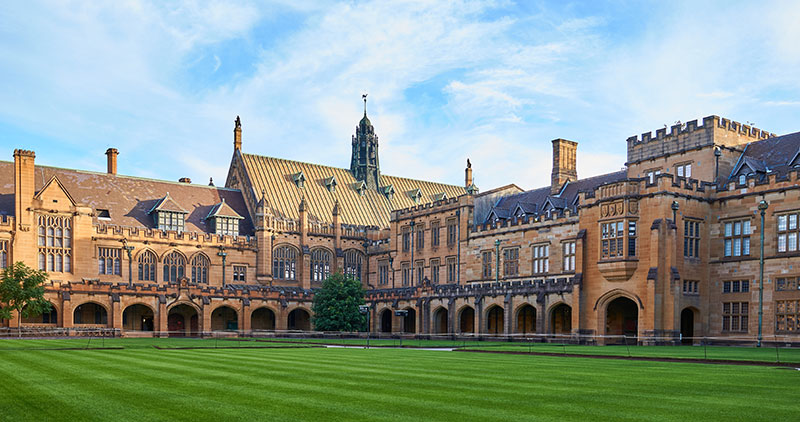
Universities are small cities. They run lecture theatres, research labs, libraries, residences, sporting facilities, data centres, commercial tenancies and often heritage buildings, all on the same estate. Add diverse timetables, seasonal spikes and constant refurbishment and energy becomes one of the most complex and controllable operating costs on campus.
This complexity is driving universities to treat power metering as essential infrastructure rather than an optional extra. When you can see what’s happening in real time and trace it back to a building, department, plant room or even a single circuit, you can reduce waste, improve resilience, support sustainability targets and allocate costs fairly.
Why Power Metering For Universities Is Different
University metering needs to handle much more than simple whole-of-building measurement. Campuses typically have mixed building types including labs, theatres, workshops, libraries and accommodation. They also manage critical loads such as research freezers, clean rooms, medical equipment and data centres.
Complicated tenancy and cost-sharing arrangements exist across faculties, student housing and retail outlets. Space constraints in switchboards are common, especially in retrofit projects. There’s also a constant stream of small changes – new equipment, refits and changing occupancy.
Due to this complexity, universities often struggle with “energy blind spots”. These are areas where consumption is high but not visible at the level needed to diagnose issues. Whole-site bills and main incoming meters don’t show whether a spike came from HVAC faults, new lab gear, an after-hours event or a teaching block with poor scheduling. Effective submetering is what closes that gap.
What Universities Can Achieve With The Right Metering
When power data is granular and trustworthy, universities can move from reactive bill management to proactive energy performance.
Identify And Eliminate Hidden Waste
A surprisingly common story: a building’s base load stays high overnight and weekends. With submetering, you can pinpoint whether it’s air handling running when it shouldn’t, electric reheats fighting cooling, a faulty BMS schedule or lab equipment that never powers down.
You don’t need a major capital project to fix these issues—just clear evidence and the right people involved.
Improve Maintenance And Reduce Unplanned Outages
Power quality and load trending can reveal problems before they escalate. These include overloaded circuits, nuisance tripping, harmonic distortion, voltage dips affecting sensitive research kit or a piece of plant drawing more current than normal.
In a campus setting, that’s not just inconvenience, it can mean lost research time and equipment risk.
Enable Fair Cost Allocation And Better Accountability
Universities frequently need to allocate energy costs across faculties, departments or buildings, especially where budgets and incentives are decentralised.
Metering supports “who used what” transparency. That makes energy projects easier to justify and encourages local ownership of results.
Strengthen Sustainability Reporting With Defensible Data
Whether you’re tracking operational emissions, validating project savings or demonstrating progress against internal targets, metered data is far easier to defend than estimates.
It also makes it simpler to explain what’s driving changes year to year.
What To Measure First On A Campus
If you’re planning a metering rollout, start where visibility will drive action quickly. A practical approach is to prioritise specific areas. High-energy buildings and plants are a good starting point.
Central HVAC plant, chilled water loops, major air handling systems and buildings with long operating hours typically deliver fast payback. Metering that separates HVAC from general power is especially useful for diagnosing control issues. Labs and specialist spaces deserve attention. Research labs can be energy intensive due to ventilation, fume cupboards, temperature control and 24/7 equipment.
Energy metering helps universities understand true energy intensity, justify upgrades and avoid blanket assumptions. Student accommodation has different patterns to academic buildings. In some cases, universities want visibility for operational optimisation, billing or tenant engagement.
Data centres and comms rooms are important too. Even smaller server rooms can be constant, high base loads. Metering helps identify opportunities like consolidation, airflow optimisation and load shifting. The goal isn’t to meter everything on day one. The goal is to meter what you’ll actually use to make decisions and then expand in a structured way.
Getting The Design Right: The Essentials
Good outcomes come from good design. Here are the foundations that matter most for university sites. Granularity should match decisions.
Meter to the level where someone can take action. For some areas, building-level is enough. For others, like HVAC, labs or specific distribution boards, you’ll want sub-circuit detail. Data needs to be easy to trust. An energy metering system must deliver accurate, consistent readings over time. If teams doubt the data, the whole programme stalls.
Space-efficient installation matters. Many university switchboards are crowded and retrofits are common. Space-saving solutions are often the difference between “possible” and “too hard”. Power quality visibility counts where it matters. Not every circuit needs deep power quality analytics but campuses with sensitive research equipment and distributed generation like solar benefit greatly from having PQ monitoring in the right places.
Integration-ready outputs are essential. Universities typically have existing platforms – BMS, asset management, analytics and reporting tools. Metering should export data cleanly so it can be used across teams rather than trapped in a single dashboard.
Turning Metering Data Into Results (Without Drowning In Dashboards)
The biggest metering mistake isn’t technical, it’s operational. Many campuses collect data then struggle to translate it into repeatable action. A simple operating rhythm helps.
Start by establishing baseline normal consumption patterns, whether daily, weekly or by semester. Use alerts or regular reviews to detect anomalies such as base load shifts, spikes or drift. Compare circuits and areas to diagnose and isolate the cause quickly. Then act by adjusting schedules, repairing faults, optimising plant or changing procedures. Finally, verify the savings and prevent backsliding.
When power metering for universities is run like an ongoing programme, rather than a one-off project, the value compounds every semester.
SATEC: The Power Metering Solution For Universities
Universities need energy metering that works in real-world switchboards, delivers reliable data and supports both operational efficiency and resilience.
SATEC’s energy metering solutions are designed for exactly that environment, especially where retrofit constraints, accuracy and visibility matter. Here’s how SATEC supports campus metering projects.
Space-Saving Metering For Retrofit Switchboards
Campus upgrades often involve older infrastructure with limited space. SATEC’s compact metering approach helps deliver submetering without the need for extensive board rebuilds.
High Confidence Measurement And Visibility
SATEC energy meters provide accurate electrical measurements that enable meaningful comparisons across buildings and departments. This supports energy optimisation and cost allocation with defensible data.
Power Quality Monitoring Where It Matters
Many universities have sensitive research loads, long distribution runs and increasingly complex electrical environments. SATEC supports power quality monitoring to help identify issues that can impact equipment and operations.
Scalable Across The Estate
Whether you’re starting with a few priority buildings or planning a staged rollout across the entire campus, SATEC solutions scale from targeted installations to broad, multi-building deployments.
If your university is ready to move beyond whole-of-site bills and into real operational insight, SATEC can help you implement metering that’s practical to install, reliable to run and genuinely useful for decision-making.
Building A Smarter Campus Through Power Metering
Power metering for universities isn’t just about “measuring to report”. Done well, it becomes a foundation for smarter energy management with clearer accountability, faster fault finding, better budgeting and stronger sustainability outcomes.
The campus is always changing, new buildings, new equipment, new demands. Metering is how you keep visibility and control as that complexity grows.
Contact our team today to discuss your power metering needs.
FAQs - Power Metering For Universities
What is power metering for universities?
Power metering for universities is the measurement of electricity use across campus buildings, boards and key loads so teams can see where energy is being used and take targeted action.
Why isn’t whole-of-campus metering enough?
Whole-site energy meters show total consumption but don’t reveal which buildings, departments or systems (like HVAC or labs) are driving peaks, waste or unusual changes.
Where should a university start with submetering?
Start with high-energy and high-impact areas such as central plant, HVAC distribution, labs, data centres/comms rooms and student accommodation, then expand based on what the data reveals.
How does SATEC support university metering projects?
SATEC provides compact, scalable metering and power quality monitoring suited to retrofit switchboards, helping universities capture reliable data for optimisation, accountability and resilience.