

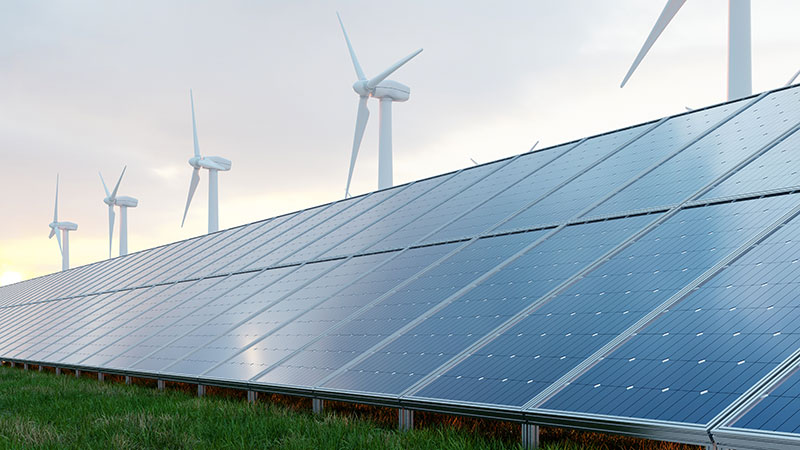
Australia is undergoing a fundamental shift in how electricity is generated, stored and consumed. Rooftop solar, battery energy storage, electric vehicle charging and DC-coupled microgrids are becoming central to commercial, industrial and residential energy systems across the country. As these technologies grow in scale and complexity, accurate DC measurement has become essential for effective system management.
A DC power meter gives engineers, system owners and operators clear visibility into direct current flows before energy reaches an inverter, switchboard or the wider grid. Without that visibility, performance issues and conversion losses can remain undetected for extended periods.
Key Points
DC power meters provide essential visibility into solar PV, battery storage and EV charging systems before energy is converted to AC.
Australia’s rapid adoption of rooftop solar and battery storage makes DC measurement increasingly important for performance monitoring.
Microgrids across Australia depend on accurate DC data to balance generation, storage and demand in real time.
DC metering can reveal inverter and conversion losses that AC-only monitoring cannot detect.
Battery storage assets benefit from detailed DC monitoring to track charging behaviour, discharge cycles and long-term performance trends.
Backed by more than 50 years of global experience, SATEC provides dedicated DC metering solutions for Australian renewable energy, battery storage and microgrid projects.
Why DC Measurement Matters in Australia's Energy Transition
Australia has one of the highest rates of rooftop solar installation per capita in the world. More than 3.5 million small-scale solar systems are now installed across the country. DC generation at a distributed scale has become a defining feature of the Australian electricity landscape.
Solar panels generate DC power. Batteries store DC power. Many modern technologies including EV chargers, telecommunications infrastructure and data centre equipment also depend on DC power at various points in their electrical architecture.
AC metering remains essential for grid connection, billing and building-level monitoring. However, it does not always capture what is happening on the DC side of a system. If a solar and battery installation is only measured after conversion to AC, losses inside the inverter or battery conversion process can be difficult to isolate and understand.
A DC power meter allows operators to compare DC generation, DC storage behaviour and AC output. That comparison can reveal efficiency issues, degradation or unexpected losses that would otherwise remain hidden from view.
DC monitoring also supports better asset management over time. Batteries are significant capital investments and their performance changes as they age and cycle through repeated use. Accurate measurement of DC voltage, current, power and energy helps operators understand charging behaviour, discharge cycles and overall system utilisation. For renewable energy projects where financial returns depend on efficiency and availability, this data supports better maintenance and operational decisions.
DC Metering in Microgrids
Microgrids are increasingly common across Australia. They are used in remote communities, mining operations, defence facilities and critical infrastructure sites where reliable and independent power supply is essential.
A typical microgrid may include solar panels, batteries, generators, converters, protection equipment and a mix of AC and DC loads. Some operate connected to the grid while others are designed for islanded operation during outages or in remote locations. In each case, the system must constantly balance generation, storage and consumption. These systems rely on intelligent control. They need to know when to store energy, when to discharge batteries, when to import from the grid and when to prioritise local loads. A DC power meter contributes real-time data that supports energy management systems, SCADA platforms and automation systems in making those decisions accurately.
In a solar-plus-storage microgrid, DC metering shows how much energy is being produced by PV arrays before conversion. It also shows how much energy is moving into or out of the battery system. This visibility helps operators determine whether renewable generation is being used effectively and whether storage assets are responding as expected. For islanded microgrids operating in remote parts of Australia, accurate metering is especially critical.
Mine sites, remote communities and defence facilities cannot rely on guesswork when balancing energy supply and demand. A DC power meter helps operators monitor system health and respond quickly to abnormal conditions such as underperformance, overloads or unexpected changes in load. As DC-coupled systems become more prevalent, the importance of DC metering grows further still.
In a DC-coupled design, solar and storage share a DC bus before conversion to AC. This can improve overall system efficiency and reduce conversion stages while increasing the need for precise DC-side measurement.
Supporting Reliability and Smarter Energy Management
Reliable renewable energy systems need more than generation capacity. They need accurate data to support alarms, diagnostics and operational reporting. A DC power meter can help identify abnormal voltage levels, unexpected current changes or demand trends that may indicate equipment stress or system imbalance.
When DC data is integrated into an energy management platform, operators gain a stronger basis for decision-making. This includes battery dispatch, inverter performance, load shifting and maintenance scheduling. For commercial and industrial sites across Australia, this can support energy cost reduction and improved resilience. For utilities and network operators, it supports grid stability and renewable integration across the National Electricity Market.
Energy management depends on measurement. When DC data is available alongside AC data, operators gain a more complete picture of how energy moves through a system. That broader visibility helps identify where efficiency can be improved, where assets may be underperforming and where targeted interventions will have the greatest impact.
SATEC DC Metering Solutions
With more than 50 years of global experience in power measurement and energy management, SATEC offers a dedicated range of DC energy metering solutions. These are designed for microgrids, renewable energy systems, battery storage and industrial applications across Australia and internationally.
The PM130 DC is a multifunction direct current energy power meter that supports up to one-channel DC metering via DC shunt. It measures DC volts, DC amps, DC power and DC energy. This makes it well suited to a broad range of applications including renewable energy systems, utility substations, industrial sites, data centres and environments requiring SCADA or BMS integration.
Providing detailed visibility of DC energy flows, the meter offers a practical and installation-friendly format for a wide range of projects. For more advanced applications, the PRO Series DC metering solutions extend this capability further. With Hall Effect or Flux Gate sensor options, the PRO Series supports high-accuracy DC measurement across demanding renewable and infrastructure environments. This makes it particularly valuable for battery energy storage systems, DC-coupled solar-plus-storage projects and microgrids where measurement quality directly affects both operational control and financial outcomes.
Communications capability is central to the design of both product lines. Metering data is most valuable when it can be integrated into the platforms operators already use. Both meter ranges support connectivity options for integration with monitoring platforms, automation systems and site energy management environments. When paired with Expertpower, SATEC’s energy management software, operators can turn metering data into clearer reporting, analysis and operational insight. The combination of accurate DC metering hardware and intelligent software gives Australian energy teams a practical path from raw data to informed decisions.
Comparing the PM130 DC and PRO Series
| Feature | PM130 DC | PRO Series |
|---|---|---|
| Measurement Channels | 1 channel via DC shunt | Multi-channel |
| Sensor Technology | DC Shunt | Hall Effect or Flux Gate |
| Measurement Parameters | DC volts, DC amps, DC power, DC energy | High accuracy DC measurement across all key parameters |
| Typical Applications | Renewable energy, substations, industrial sites, data centres, SCADA and BMS integration, Battery energy storage, DC-coupled solar-plus-storage projects, demanding microgrids | Renewable energy, substations, industrial sites, data centres, SCADA and BMS integration, Battery energy storage, DC-coupled solar-plus-storage projects, demanding microgrids |
| SCADA / BMS Integration | Yes | Yes |
| Communications | Yes | Yes |
| Expertpower Compatible | Yes | Yes |
| Best Suited For | Sites needing detailed DC energy visibility | Advanced applications where high measurement accuracy is critical to operations and financial outcomes |
Looking Forward
The energy transition is increasing the strategic importance of the DC side of power systems. Solar generation, battery storage, EV charging and DC-coupled architectures are reshaping how energy moves through commercial, industrial and utility environments across Australia.
As these systems become more sophisticated, the demand for accurate DC measurement will continue to grow. Selecting the right DC metering solution is an important early step for any organisation investing in renewable infrastructure, battery storage or microgrid capability. A DC power meter plays a central role in that future. It provides the data needed to manage performance, improve reliability, support compliance and make smarter energy decisions across the full energy chain.
FAQs - The Role of the DC Power Meter in Microgrids and Renewable Energy Systems
What is a DC power meter and why do I need one for my solar or battery system?
A DC power meter measures direct current voltage, amps, power and energy at points in your system before conversion to AC. This gives you accurate visibility into how your solar panels and batteries are actually performing rather than relying solely on post-conversion data.
What is the difference between AC metering and DC metering?
AC metering measures electricity after it has been converted for use by the grid or building loads while DC metering captures what is happening on the generation and storage side of the system. Using both together gives operators a complete picture of energy flows and helps identify losses that AC metering alone cannot detect.
Can a DC power meter integrate with my existing SCADA or energy management system?
Yes. SATEC DC meters support communications connectivity for integration with SCADA platforms, BMS environments and energy management software including Expertpower. This allows metering data to feed directly into the monitoring and control systems your team already uses.
Are DC power meters suitable for remote and off-grid microgrids in Australia?
DC power meters are well suited to islanded and remote microgrid environments where reliable, accurate measurement is critical. They help operators at mine sites, remote communities and other off-grid facilities monitor system health and respond quickly to changes in generation, storage or load.
Explore related topics:
For Your Industry
- Microgrids For Emergency Services: What Role Do Metering And Power Quality Play?
- The Role of Smart Energy Meters in Electric Vehicles (EV) and Vehicle-to-Grid (V2G) Integration
Standards & Compliance
Related Reading
- Power Quality Analysis for Renewable Energy Integration (Solar and BESS)
- Behind-The-Meter BESS: Why Battery Performance Depends On Better Energy Data
Trending in Your Sector


