
Electricity costs have become a growing concern for building owners, facility managers and businesses of every size across Australia. Rising tariffs, increased demand from the grid and the pressure to operate more efficiently have all made energy performance a much bigger priority than it was even a few years ago. Many organisations want to cut costs yet often do not have a clear picture of where their electricity is actually going.
That is where monitoring energy usage becomes so valuable. When you can see how energy is being consumed across a site, a tenancy or an entire portfolio, it becomes much easier to identify waste, respond to inefficiencies and make informed decisions that reduce electricity bills over time.
Energy savings rarely come from guesswork. They come from accurate data, consistent visibility and the ability to act on what that data reveals.
Key Points
Electricity bills in Australia are rising, with small business prices increasing by up to 8.5% from July 2025 under the Default Market Offer.
A monthly bill only shows the total cost after the fact. It does not reveal which loads were responsible or where waste is occurring.
Understanding when energy is consumed is just as important as how much is used. Demand tariffs mean that peak usage periods can significantly affect what you pay.
Small inefficiencies such as after-hours consumption and demand spikes can accumulate into large costs over time if they go undetected.
Energy monitoring transforms raw data into operational insight. It supports smarter maintenance, scheduling and efficiency decisions.
SATEC’s NMI-approved smart meters, paired with Expertpower software, provide the metering foundation Australian businesses need to turn energy data into real savings.
Why Electricity Bills Are Often Higher Than Expected
Australian businesses are navigating one of the more complex electricity pricing environments in the world. According to the Australian Energy Regulator (AER), the Default Market Offer for 2025–26 saw price rises for small businesses of between 0.8% and 8.5% depending on usage and location.
For commercial customers on market contracts, retail rates across the National Electricity Market (NEM) typically range from around 12 cents to 35 cents per kilowatt hour, with significant variation across states and tariff structures.
Many businesses assume their electricity bill is simply the unavoidable cost of running lights, air conditioning, equipment and essential systems. In reality, a large portion of energy spend can be influenced by how and when power is used. Unnecessary consumption often hides in plain sight. Equipment may be running outside operating hours. HVAC systems may be working harder than they need to. Poor power quality may be affecting performance across circuits.
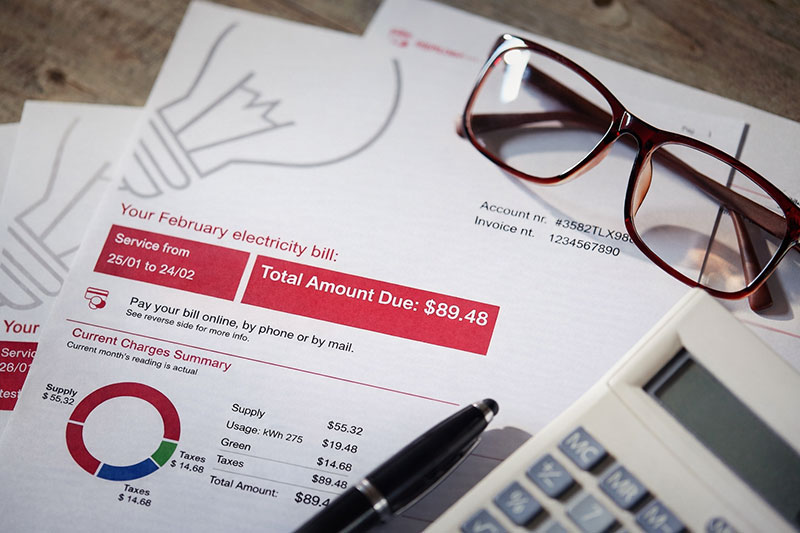
Under Australian tariff structures, peak demand periods can drive costs up significantly without anyone realising it until the bill arrives. Without clear data, these issues are difficult to detect. A quarterly bill only shows the total cost after the fact. It does not explain which loads were responsible, what changed from one period to the next or where corrective action should begin.
Monitoring energy usage helps close that gap by giving businesses real insight into what is happening behind the numbers.
Demand Tariffs Make Timing Critical
One aspect of Australian electricity pricing that makes monitoring especially important is the prevalence of demand tariffs. Under these structures, a charge is applied based on the highest level of power drawn from the grid during a defined period. This is common in commercial and industrial plans across the NEM.
A short burst of simultaneous equipment use during a peak window can set the demand charge for an entire month. When businesses can see exactly when usage spikes occur, they can adjust operations, stagger loads or reschedule certain activities to reduce the impact on their bill. Without that visibility, the cost simply arrives and there is no practical way to manage it.
Monitoring Energy Usage Turns Data Into Cost Control
The biggest advantage of monitoring energy usage is that it replaces assumptions with evidence. Instead of relying on estimates, businesses can see how much energy is being consumed, when it is being used and which systems are contributing most to overall demand. This visibility supports smarter cost control in several ways.
First, it helps identify energy waste. A site may discover lighting left on overnight, equipment cycling unnecessarily or systems drawing more power than expected during quiet periods. Once these patterns are visible, they can be corrected before they continue adding to electricity bills month after month.
Second, monitoring energy usage helps businesses understand load patterns. Electricity costs in Australia are not only about total usage. The timing of consumption matters just as much, and often more. When businesses can see when usage spikes occur, they can adjust how and when they draw from the grid to reduce demand-related costs.
Third, energy monitoring supports better maintenance and operational planning. Sudden changes in consumption can be an early warning sign that equipment is not performing efficiently. A failing motor, overloaded circuit or poorly functioning HVAC unit may begin using more energy before it fails completely. Identifying these changes early can reduce both energy costs and maintenance expenses.
Small Inefficiencies Add Up Quickly
One of the most important things organisations learn from monitoring energy usage is that small issues can create large costs over time. A single problem may not seem dramatic on its own yet the cumulative effect across a building or portfolio can be significant.
After-hours consumption is a common source of waste in Australian commercial buildings. If base building services, tenant equipment or non-essential systems continue running longer than needed, the extra usage may go unnoticed for months. Monitoring makes these patterns visible and gives teams the information they need to correct schedules and behaviours before the problem compounds further.
The same applies to demand spikes. Under the tariff structures that apply to most commercial sites in Australia, even brief periods of elevated demand can affect what you pay. With proper metering and monitoring in place, these spikes can be tracked and managed far more effectively. This is why visibility matters so much. You cannot reduce what you cannot see.
Better Decisions Start With Better Measurement
Monitoring energy usage is not only about spotting problems. It also helps businesses make more confident strategic decisions. When accurate data is available, teams can measure the impact of upgrades, operational changes and efficiency initiatives with much greater certainty.
If lighting is upgraded to LED, energy data can help verify whether the expected reduction actually occurred. If a building management strategy is adjusted, monitoring can show whether demand has improved. If a facility wants to compare performance across areas, floors or tenants, metering data provides a reliable basis for that comparison.
This kind of measurement is especially important in larger or more complex environments where multiple systems and stakeholders influence energy performance. Detailed monitoring helps turn energy management from a reactive task into a more proactive and measurable process.
Why Metering Is Essential to Effective Energy Monitoring
Good decisions depend on good data and good data starts with the right metering infrastructure. Monitoring energy usage is only as useful as the quality and detail of the information being captured.
Basic billing data gives a limited view. Advanced metering gives a far more practical one. Sub-metering, circuit-level visibility and real-time monitoring can help businesses understand how different loads, areas or tenants contribute to overall consumption.
This level of granularity is what makes targeted action possible. It also allows organisations to move beyond simply seeing total site usage. They can begin to understand the drivers behind consumption and focus on the areas where savings are most achievable.
In the Australian context, where tariff complexity and demand charges are a significant cost driver, that shift in capability is a major advantage for any business trying to reduce electricity bills in a practical and sustainable way.
It is also worth noting that in multi-tenancy sites and shared services arrangements, NMI-approved metering is a legal requirement in Australia for billing and trade measurement purposes. Using non-compliant meters creates both legal and commercial risk for site owners and facility managers.
How SATEC Products Provide The Metering Solution
For organisations that want to improve energy monitoring, SATEC provides the metering foundation needed to turn energy data into action across Australian commercial, industrial and multi-tenancy environments.
SATEC’s smart metering solutions are designed to deliver accurate and detailed visibility into electrical consumption. There’s a range of meters that carry National Measurement Institute (NMI) pattern approval under NMI M 6-1 and are supplied with NITP-14 test verification certification, aligning with Australian legal and trade measurement requirements. This makes them suitable for billing, sub-metering and any application where measurement accuracy needs to be defensible. This matters when reducing electricity bills is the goal.
Our meters help identify where energy is being used, where waste is occurring and where loads may be contributing to unnecessary cost. That level of insight supports more informed decisions around system performance, scheduling, tenant billing, demand management and energy efficiency improvements.
We also offer strong capability in areas that matter for complex Australian electrical environments. This includes power quality monitoring for detecting voltage issues, harmonics and other disturbances that can affect equipment performance and operational reliability. For organisations participating or looking to participate in Frequency Control Ancillary Services (FCAS) markets, SATEC’s FCAS-capable meters meet AEMO’s Market Ancillary Service Specification requirements with frequency resolution to 0.0001 Hz and recording intervals as fast as 20 milliseconds.
When paired with Expertpower, the value becomes even greater. Businesses can move from raw meter data to a clearer view of trends, anomalies and opportunities for improvement across circuits, zones and multiple sites. This combination helps turn monitoring energy usage into an operational advantage rather than just a reporting exercise.
Turning Visibility Into Lasting Savings
Reducing electricity bills is rarely about one dramatic change. More often, it comes from a series of informed improvements that build over time. Monitoring energy usage supports that process by giving organisations the clarity they need to act with confidence. It helps reveal hidden waste, manage demand more effectively under Australian tariff structures, improve operational efficiency and measure the results of energy-saving initiatives. Just as importantly, it gives businesses the data needed to make smarter choices in an increasingly complex energy market.
For any organisation looking to control electricity costs more effectively, monitoring is not just about collecting numbers. It is about creating visibility that leads to better performance. With the right metering solution in place, that visibility becomes the starting point for real and measurable savings.
FAQs - How Monitoring Energy Usage Helps Reduce Electricity Bills
What is the difference between energy monitoring and simply reading my electricity bill?
Your electricity bill shows total consumption after the fact but gives no insight into which systems caused it or when. Energy monitoring provides real-time, circuit-level visibility so you can identify waste and act on it before costs accumulate.
Do I need NMI-approved meters for my commercial site in Australia?
If your site involves tenant billing or trade measurement, NMI-approved metering is a legal requirement under Australian law. Using non-compliant meters creates both regulatory and commercial risk for building owners and facility managers.
How does energy monitoring help with demand tariffs?
By showing exactly when usage spikes occur across your site, monitoring allows you to stagger loads or reschedule energy-intensive activities away from peak windows. This can meaningfully reduce the demand component of your electricity bill each month.
Can energy monitoring work across multiple tenancies or sites?
Yes. Sub-metering and advanced metering solutions such as SATEC meters paired with Expertpower allow you to track consumption across individual tenancies, floors or multiple sites from a single platform. This makes it practical to compare performance, allocate costs accurately and identify where efficiency improvements will have the greatest impact.
Explore related topics:
For Your Industry
- How Power Monitoring Devices Help Reduce Energy Costs in Commercial Buildings
- Smart Energy Monitoring for Supermarkets: From Meter Data to Real Savings
Standards & Compliance
Related Reading
Trending in Your Sector


