
Small-scale Technology Certificates (STCs) are a significant part of how Australia encourages households and businesses to invest in solar and other renewables. They also represent an area where good metering and data can seriously reduce project risk.
What Are Small-scale Technology Certificates?
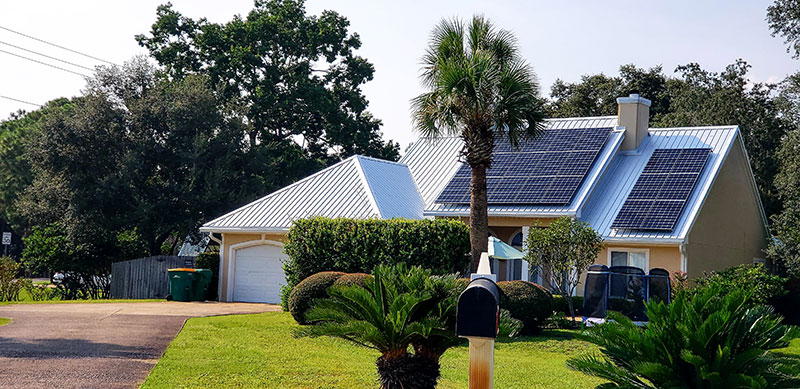
Small-scale Technology Certificates are electronic certificates created under Australia’s Small-scale Renewable Energy Scheme. This scheme forms part of the national Renewable Energy Target. The certificates are designed to reduce the upfront cost of installing eligible small-scale renewable systems. These include rooftop solar PV, small wind systems, hydro systems and solar water heaters.
When you install an eligible system, the estimated amount of electricity it will generate over its deeming period is converted into a number of STCs. These certificates have a market value. They can be sold to liable entities, which are usually electricity retailers. These retailers must surrender a certain number of certificates each year to meet their obligations under the scheme.
In simple terms, you install solar or another eligible system. Your installer or an agent creates STCs for your system. They either sell the STCs on your behalf or offer an upfront discount in exchange for them. The value of those STCs helps reduce your installation cost.
STC prices move with supply and demand in the market. This means the financial benefit can vary over time. However, for many years, STCs have been a major reason why solar payback periods have stayed attractive for homes and small businesses.
How STCs Are Calculated
The number of Small-scale Technology Certificates you receive depends on several key factors. These include the system type, whether that’s solar PV, solar water heater, wind or hydro. System capacity and efficiency also matter, along with the rated output of the system and its expected performance.
Location plays a role because Australia is divided into climate zones with different expected solar irradiation levels. The deeming period is also important. STCs are based on the system’s expected generation up to a fixed sunset date for the scheme in 2030, which means the deeming period reduces by one year each January. For example, a 6.6 kW solar PV system in a high sunlight zone might create more STCs than the same system in a lower-irradiance zone. This is because it is expected to generate more energy over its lifetime.
Whilst STCs for solar PV are typically calculated using standard tables and formulas, accurate underlying assumptions about performance and energy yield are crucial. That’s where metering and long-term monitoring can play a powerful supporting role. This is especially true for installers, aggregators and asset owners looking to validate their portfolio performance.
Why STCs Matter for Installers, Aggregators and Asset Owners
For everyday consumers, STCs mostly show up as an upfront discount on a quote. However, if you’re on the other side of that equation, STCs are a material revenue stream. They can also be a source of risk if not managed carefully.
This applies whether you’re an installer, project developer, aggregator or owner of a portfolio of small systems.
Cashflow and sales conversion
Competitive access to STC value lets you offer sharper pricing. You can win more jobs without cutting margin too far.
Compliance and audit risk
STCs are a regulated product. Incorrect system data, poor documentation or questionable performance assumptions can lead to audits, clawbacks or reputational damage.
Asset performance and optimisation
Once systems are installed, STC-related expectations become a benchmark. If systems significantly underperform those assumptions, it may point to design issues. These could include shading, faulty equipment or behavioural changes.
Portfolio management
Aggregators managing thousands of small systems across regions need robust data. This helps them understand generation, detect problems early and prove that their installations are delivering as promised.
The common thread across all of these? You need trustworthy, granular and accessible energy data.
The Role of Metering in the STC Lifecycle
Whilst STCs are technically based on deemed generation rather than actual measured output, metering and monitoring can strengthen every stage of the process. At the design and proposal stage, historical interval data from quality meters can help you model realistic generation and consumption patterns. This makes STC and savings estimates more robust and transparent.
During commissioning and verification, commissioning with advanced power quality and energy meters ensures the system is wired and performing correctly from day one. Any installation or configuration problems are caught early, not months after STCs have been dealt with.
For ongoing monitoring, continuous metering data lets you compare actual generation against expected generation. Underperformance trends can be investigated quickly. This helps protect long-term value for customers and stakeholders.
High-resolution data and clear reporting provide strong evidence for audits and compliance. They show that systems are performing reasonably in line with their assumptions. This supports compliance obligations and reduces audit headaches.
To do all of this efficiently and at scale, the metering solution must be compact, reliable and standards-compliant. It must also be easy to integrate with your monitoring or SCADA platforms.
Why SATEC's Products Are the Metering Solution for STC Projects
Small-scale Technology Certificates might be created on paper. However, the reality of your STC portfolio lives in the data.
That’s where SATEC’s energy metering and management solutions come in.
Space-saving, Retrofit-friendly Hardware
Many small-scale renewable projects are squeezed into existing switchboards or cramped plant rooms. They may also be retrofit scenarios where space is at a premium. Traditional metering setups can be bulky and complex.
SATEC’s meters are designed to deliver utility-grade functionality in a compact footprint. This makes them ideal for solar PV retrofits on commercial and industrial sites. They work well for upgrades to older buildings where switchboard real estate is limited. They’re also suitable for embedded and behind-the-meter metering where multiple loads or generators must be monitored.
Less space, fewer components and simpler wiring mean faster installations. They also mean reduced labour costs. This matters a lot when you’re working on high-volume small-scale projects.
NMI-approved and Power Quality Capable
For many STC-related installations, measurement quality matters. This is especially true where systems interface closely with the grid. It’s also important where you want robust evidence of performance.
SATEC offers NMI approved energy meters suitable for billing and settlement environments. They also provide advanced power quality monitoring. This captures key parameters like voltage, harmonics and events.
This combination allows you to go beyond basic kWh readings. You gain a full understanding of how your renewable systems are interacting with the grid. You can identify power quality issues that might affect performance. You can detect voltage excursions and demonstrate compliance with network requirements.
FCAS-capable and Future-ready
Australia’s energy market is moving rapidly towards more flexible, data-driven participation. Whilst STCs are focused on small-scale generation, the same metering infrastructure can open doors into future opportunities.
These opportunities include demand response programmes and virtual power plants. They also include ancillary services where suitable, supported by SATEC’s FCAS capable energy meters in relevant contexts.
By choosing SATEC meters now for STC projects, you’re effectively future-proofing your metering layer. As markets evolve, you already have the hardware in place to support more advanced business models.
Centralised Visibility With Expertpower
Hardware is only half the story. SATEC’s Expertpower cloud software platform gives you a centralised, web-based environment.
You can visualise generation and consumption across your portfolio. You can track performance against expected baselines. You can build custom dashboards and automated reports. You can also set alerts for under-performance, outages or abnormal conditions.
For organisations managing many STC-eligible systems, Expertpower becomes a single source of truth for metering data. This can be across mixed portfolios at multiple sites. That makes it easier to prove that systems are generating as expected. You can prioritise maintenance and investigations. You can also support internal and external reporting, including compliance evidence.
The common thread across all of these? You need trustworthy, granular and accessible energy data.
The Strategic Value of Smart Metering for STC Projects
Small-scale Technology Certificates remain a key driver behind Australia’s abundant rooftop solar and small-scale renewables. They reduce upfront costs for households and businesses. They support installers and aggregators with an additional revenue stream. They contribute to the broader Renewable Energy Target.
However, STCs don’t operate in a vacuum. The quality of your underlying data can make or break the commercial and compliance outcomes of your projects. This applies from commissioning through to long-term operation. By pairing STC eligible systems with SATEC’s compact, advanced meters and the Expertpower cloud software platform, you get accurate, high-resolution energy data.
You gain power quality insights to protect performance. You have NMI-approved options where billing-grade assurance is needed. You also get a scalable, centralised platform to manage growing portfolios.
If you’re planning or managing small-scale renewable projects, it’s worth thinking about metering differently. Don’t treat it as an afterthought. Instead, view it as your strategic data asset. This approach helps you get more value and less risk from your STC pipeline. That’s exactly where SATEC’s products shine.
FAQs - Small-scale Technology Certificates (STCs)
What are Small-scale Technology Certificates (STCs)?
Small-scale Technology Certificates are tradable certificates created under Australia’s Small-scale Renewable Energy Scheme that reduce the upfront cost of eligible renewable energy systems like solar PV.
How are STCs calculated for solar systems?
STCs are calculated based on system size, location and the expected energy generation over a fixed deeming period, rather than actual measured output.
Do STCs require energy metering to be created?
STCs are based on deemed generation and don’t require ongoing metering but advanced meters help verify performance, support compliance and identify underperforming systems.
Why is metering important for managing STC portfolios?
Accurate metering provides visibility into real-world system performance, helping installers and asset owners reduce risk, improve reliability and support audits or reporting if required.