

+61 2 4774-2959
[email protected]
  • About SATEC
  • Billing & Revenue Metering Catalogue
SATEC (Australia) Pty LtdSATEC (Australia) Pty LtdSATEC (Australia) Pty LtdSATEC (Australia) Pty Ltd
  • HARDWARE
    • All Metering Products
    • Current Transformers
    • DC Energy Metering
    • Expansion Modules
    • Frequency Control Ancillary Services – FCAS
    • Multi-Channel Energy Meters
    • NMI Approved Energy Meters
    • Phasor Measurement Unit
    • Power Quality Analysers
  • SOFTWARE
    • Expertpower SaaS – EMS, Billing, Power Quality
    • Meter Data Management (MDM)
    • Power Analysis Software (PAS)
  • SOLUTIONS
    • Automatic Demand Response
    • Disturbance Direction Detection
    • Frequency Control Ancillary Services (FCAS)
    • Large-Scale Generation Certificates (LGCs)
    • NMI Approved Retrofit Energy Metering
    • Phasor Measurement Unit
    • Power of Choice Metering
    • Time of Use (TOU) Control
  • NEWS
  • DOWNLOADS
    • Billing & Revenue Metering Catalogue
    • Current Product Catalogue
    • Manuals & Datasheets
    • Power Analysis Software (PAS)
  • CONTACT
    • About SATEC
NextPrevious
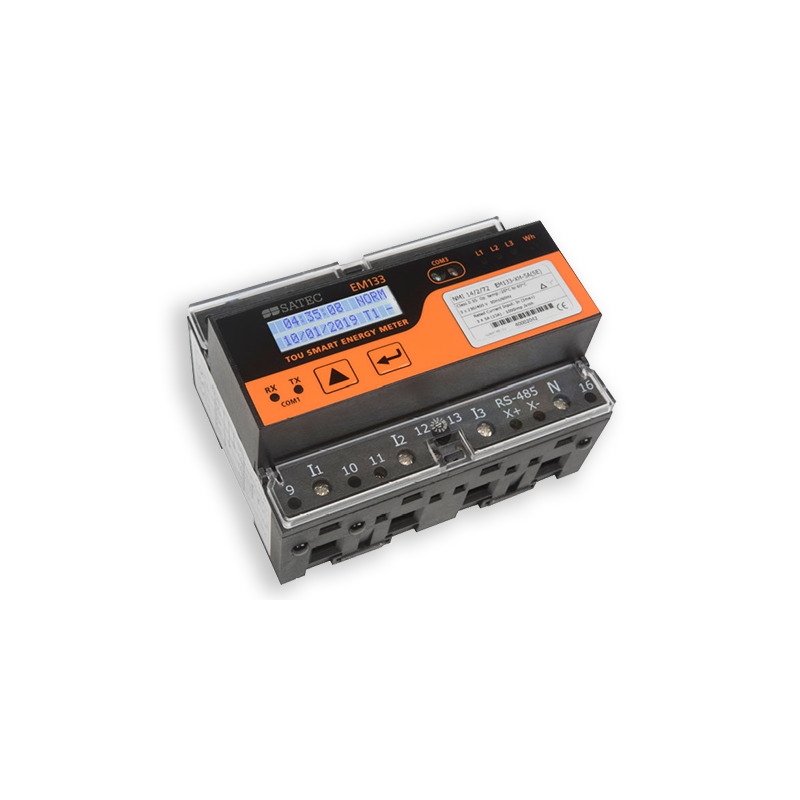
EM133-XM Smart Energy Meter

Why do Smart Meters need a battery to keep the time?

By SATEC (Australia) Pty Ltd | Industry News, Product News | Comments are Closed | 12 January, 2015 | 1

Smart Meters have an internal electronic clock, known as the Real-Time-Clock (RTC). Within a smart meter the RTC is usually an ossilating crystal and needs a battery to keep the correct time.

There is a standard for billing meters used in Australia, governed by the National Measurement Institute (NMI). The National Measurement Institute NMI M6-1 Clause 6 defines that any solid state internal clock used for electricity meters and load control must be tested and approved according to this standard. This standard details that a RTC of the electricity meter does not drift outside a specific tolerance within a 30 day period under specific temperature specifications.

SATEC’s energy metering solutions approved for trade under NMI comply fully with the performance/operating criteria per NMI M 6-1 in addition to IEC/AS62054.21 as outlined in the standards.  The correct time within smart meters is critical to ensure billing accuracy is achieved, particularly as enhanced billng tariffs are placed on consumers, such as Time of Use (TOU), Maximum Demands, Demand Response and Feed-in-Tariffs etc.

Further enhancement in clock synchronisation has developed also over time, assisting in keeping the correct time. Traditional utility systems use IRIG-B, via satellite communcations. Now, ethernet based smart meters have Simple Network Time Protocol (SNTP) methods or even Application Programming Interface (API) methods.

energy management, meter internal clocks, metering solutions for trade, nmi approval, nmi approved meter, nmi compliant meters, real time clock, smart meters

NextPrevious

BOOK AN ONLINE MEETING

INDUSTRY NEWS & VIEWS

Get fortnightly updates delivered straight to your inbox.

Energy Management Knowledge Base

NEWS

  • Voltage vs Current Unbalance: What’s the Difference and Which One Should You Fix First?
  • NMI Approved Energy Meter With Ethernet: Why the EM133-XM Changes How You Manage Power
  • Bitcoin Mining Energy Use Explained: What Australian Operators Need to Know
  • Phase Rotation Errors in Multi-Board Sites: How Fixing It “Over Here” Can Break It “Over There”
  • DC Meters For EV Chargers: What They Do, Why They Matter And How To Choose
SATEC Australia logo

SATEC – Solutions And Technology for Energy Control

SATEC’s presence in Australia brings together 40 plus years of experience and knowledge for Energy Management Solutions.

The culmination of local expertise and SATEC’s Global leadership in metering, power quality analysers and software provides a source of knowledge to satisfy customer’s ever changing demands for today’s Energy and Power Quality Applications.

Quick Find

  • Contact
  • Metering Products
  • Energy Management Software
  • News – Events – Updates
  • Downloads
  • Billing & Revenue Metering Catalogue
  • Current Product Catalogue
  • Energy Management Knowledge Base
  • Terms & Conditions
  • Privacy Policy

Recent Posts

  • Voltage vs Current Unbalance is an important consideration in factory production lines

    Voltage vs Current Unbalance: What’s the Difference and Which One Should You Fix First?

    Voltage vs Current Unbalance explained: Learn the key differences, how each impacts motors and equipment and which one to fix first. Includes monitoring tips and SATEC metering solutions.

    27 February, 2026
  • EM133-XM with Ethernet communications

    NMI Approved Energy Meter With Ethernet: Why the EM133-XM Changes How You Manage Power

    Discover how the SATEC EM133-XM, a NMI approved energy meter with ethernet, delivers reliable billing data, easy integration and future-proof energy management for Australian sites.

    26 February, 2026
© 2025 SATEC (Australia) Pty Ltd. | ABN 21-142640417 | SATEC® All Rights Reserved
  • HARDWARE
    • All Metering Products
    • Current Transformers
    • DC Energy Metering
    • Expansion Modules
    • Frequency Control Ancillary Services – FCAS
    • Multi-Channel Energy Meters
    • NMI Approved Energy Meters
    • Phasor Measurement Unit
    • Power Quality Analysers
  • SOFTWARE
    • Expertpower SaaS – EMS, Billing, Power Quality
    • Meter Data Management (MDM)
    • Power Analysis Software (PAS)
  • SOLUTIONS
    • Automatic Demand Response
    • Disturbance Direction Detection
    • Frequency Control Ancillary Services (FCAS)
    • Large-Scale Generation Certificates (LGCs)
    • NMI Approved Retrofit Energy Metering
    • Phasor Measurement Unit
    • Power of Choice Metering
    • Time of Use (TOU) Control
  • NEWS
  • DOWNLOADS
    • Billing & Revenue Metering Catalogue
    • Current Product Catalogue
    • Manuals & Datasheets
    • Power Analysis Software (PAS)
  • CONTACT
    • About SATEC
SATEC (Australia) Pty Ltd