

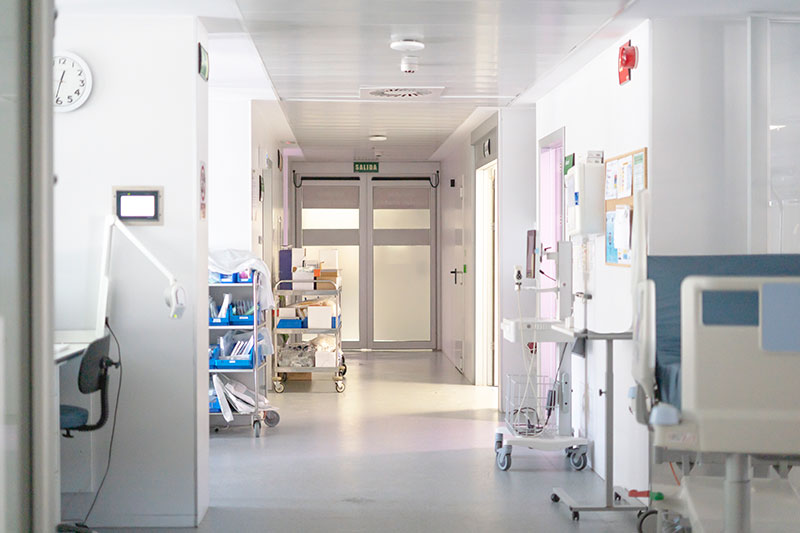
In hospitals, airports and other critical facilities, electrical energy usage is not simply a utility cost. It is the foundation that supports safety, continuity and electrical reliability to the facility. When electrical power quality suffers, the consequences can move well beyond inconvenience. Clinical services may be disrupted, passenger operations can stall and essential systems may lose stability at the worst possible moment. That is why monitoring power matters so much in these environments.
Operators need more than a monthly bill and a rough idea of site demand. They need clear and continuous visibility into what the electrical system is doing across key boards, feeders and critical loads. They need to know when demand is rising, when voltage is drifting, when harmonics are becoming a problem and when equipment is behaving outside normal patterns. Reliable decisions depend on good data and in critical facilities that principle could not be more important.
Key Points
Hospitals and airports operate complex electrical environments where a disturbance in one part of the network can quickly affect equipment, alarms and available capacity across the whole site.
Backup power systems such as UPS units and generators are essential but they do not replace the need for real-time visibility into how the network is performing under normal and stressed conditions.
Power quality issues including harmonics, voltage sags and transients can cause equipment to trip, perform inconsistently or suffer long-term stress that shortens service life.
Relying on a single main incomer meter is rarely sufficient in a critical facility. Layered metering across major systems and critical boards gives a far more accurate and actionable picture.
Real-time electrical data integrated with SCADA or building management systems helps maintenance, engineering and operations teams respond faster and make better-informed decisions.
SATEC’s multifunction meters and Expertpower platform give Australian hospitals, airports and other critical facilities the detailed electrical visibility they need to manage risk and protect uptime with confidence.
Why Critical Facilities Need Deeper Electrical Visibility
Hospitals and airports are complex electrical environments. They do not operate like a standard office building with predictable weekday loads. A hospital may run imaging equipment, operating theatres, HVAC, emergency systems, backup generation and highly sensitive medical technology all at once. An airport may need to support terminal operations, baggage systems, security infrastructure, airside services, retail areas and transport interfaces across long operating hours.
In facilities like these, a power issue is rarely isolated. A disturbance in one part of the network can affect equipment performance elsewhere, trigger alarms, reduce available capacity or complicate switching during an already stressful event. That is why monitoring power should be treated as an operational strategy rather than a passive reporting function.
Good monitoring gives teams the ability to see trends before they turn into incidents. It helps them understand where stress is building in the system and which assets require closer attention. It also supports better coordination between electrical contractors, facilities managers, engineers and operational teams.
Backup Power Is Not Enough on Its Own
Critical sites often invest heavily in backup systems such as UPS units and generators. That investment is essential but backup infrastructure alone does not guarantee resilience. If a site lacks visibility into what is happening before an outage or transfer event, teams may miss the warning signs that matter most.
Monitoring power helps bridge that gap. It provides the real-time context needed to understand how the network is performing under normal conditions and under stress. Rising current, poor power factor, abnormal demand spikes, imbalance between phases and deteriorating power quality can all point to emerging risk. These issues may not cause immediate failure but they can reduce headroom and increase the likelihood of problems during a fault or transition.
For hospitals, that can affect critical care areas, diagnostics and support services. For airports, it can affect passenger processing, security screening, gate operations and communications. In both cases the goal is not only to respond faster when something goes wrong. The goal is to spot issues early enough to reduce the chance of disruption in the first place.
The Hidden Risk of Power Quality Problems
Many critical facilities focus on energy consumption and maximum demand. Those are important metrics but they are not enough on their own. Sites with sensitive equipment also need to pay close attention to power quality. Voltage sags, swells, transients and harmonic distortion can all create problems that are difficult to trace without detailed monitoring in place. Equipment may trip unexpectedly, perform inconsistently or suffer long-term stress that shortens service life.
In a hospital, even brief disturbances can be serious where precision equipment is involved. In an airport, the same kind of issue may interrupt automated systems that support passenger flow and safety. Monitoring power at a more granular level helps teams move beyond guesswork. Instead of asking what happened after a disruption, they can examine event data, alarm history and power quality waveform information with far greater clarity. That makes root cause analysis faster and more credible. It also improves planning for remediation and future upgrades.
Why Real-Time Data Supports Faster Decisions
Critical facilities operate in environments where time matters. Maintenance teams and operations staff do not have the luxury of waiting for end-of-month reporting when an electrical issue is affecting live services. They need actionable information while conditions are still developing.
Real-time power monitoring data helps teams answer practical questions quickly.
- Is the load increasing on a key feeder?
- Is a UPS approaching an uncomfortable operating margin?
- Has a recurring voltage disturbance started to appear at a certain time of day?
- Is a particular board showing unusual harmonic behaviour after new equipment was added?
When those answers are available in a usable format, response becomes more disciplined. Teams can prioritise maintenance, investigate anomalies sooner and make more confident decisions about switching, load management and capital planning. This is especially valuable in facilities where any unplanned interruption can carry operational, financial and reputational consequences.
Monitoring Power Across the Whole Site
One common mistake is relying too heavily on a single meter at the main incomer. That view is useful but it rarely tells the whole story in a critical facility. Electrical conditions can vary widely between distribution points, plant systems and operational zones. Hospitals and airports often need layered visibility. Main incomer metering may show overall demand and site-level performance.
Sub-metering can reveal what is happening across major systems and critical boards. More detailed monitoring at selected points can help identify the source of recurring issues, capacity strain or power quality problems. This broader approach supports both resilience and efficiency. It allows facility teams to see how different parts of the network behave across time and operating conditions. It also helps them avoid overgeneralising from one data point when the real issue may be localised to a specific area or piece of equipment.
Why SATEC's Products Are the Right Fit for Critical Facility Metering
When reliability comes first, the metering solution needs to do more than record consumption. It needs to provide detailed electrical visibility that supports operational decision making.
The SATEC multifunction energy meter range is designed to measure the parameters that matter most in critical environments including energy, demand, voltage, current, power factor, frequency and power quality indicators. This gives operators a much clearer picture of how the site is performing and where risk may be developing.
For sites where switchboard space is limited, compact meter options support retrofit projects without compromising on visibility. Paired with Expertpower, SATEC’s web-based energy management platform, metering data becomes easier to monitor, trend and analyse over time. That matters in hospitals, airports and other critical facilities where issues are often intermittent or tied to specific systems rather than the whole site. Instead of relying on assumptions, operators can examine actual site behaviour and respond with greater confidence.
Power quality monitoring capability is also available for sites where waveform distortion, event visibility and electrical stability are important concerns. For facilities that need reliable insight into both everyday performance and abnormal conditions, that combination of metering and software creates a practical path to stronger control. Support for communication protocols including Modbus and IEC 61850 also means SATEC meters integrate readily with SCADA, building management systems and broader analytics environments already in use at many critical facilities across Australia.
Building a Stronger Foundation for Resilience
Critical facilities cannot eliminate every electrical risk. They can put themselves in a much stronger position to manage risk with better visibility. Monitoring power helps turn the electrical system from a blind spot into a source of operational intelligence. That is valuable during day-to-day operation and even more valuable when conditions become abnormal.
With the right metering in place, hospitals, airports and other essential facilities can protect uptime, understand network behaviour more clearly and make reliability-driven decisions with far more confidence.
FAQs - Monitoring Power in Hospitals, Airports and Critical Facilities
Why is power monitoring more important in hospitals and airports than in standard commercial buildings?
Hospitals and airports run complex, sensitive electrical loads around the clock where a single disturbance can cascade across multiple systems and affect safety-critical operations. Unlike standard commercial buildings, there is very little tolerance for disruption and the consequences of undetected electrical issues can be immediate and serious.
Is backup power such as a generator or UPS sufficient to protect a critical facility?
Backup systems are essential but they only respond after a problem has occurred. Without continuous monitoring, warning signs such as rising current, phase imbalance or deteriorating power quality can go undetected until they cause a fault or complicate a transfer event.
What power quality issues should hospitals and airports be monitoring for?
Voltage sags, swells, transients and harmonic distortion are among the most common power quality issues in critical facilities and can cause equipment to trip, perform inconsistently or experience accelerated wear. These problems are often intermittent and difficult to diagnose without detailed event data and alarm history from a capable metering system.
Can SATEC meters integrate with our existing building management or SCADA system?
Yes. SATEC meters support communication protocols including Modbus and IEC 61850, making them compatible with SCADA systems, building management platforms and energy management software such as Expertpower, so electrical data flows directly into the systems your teams already use.


