

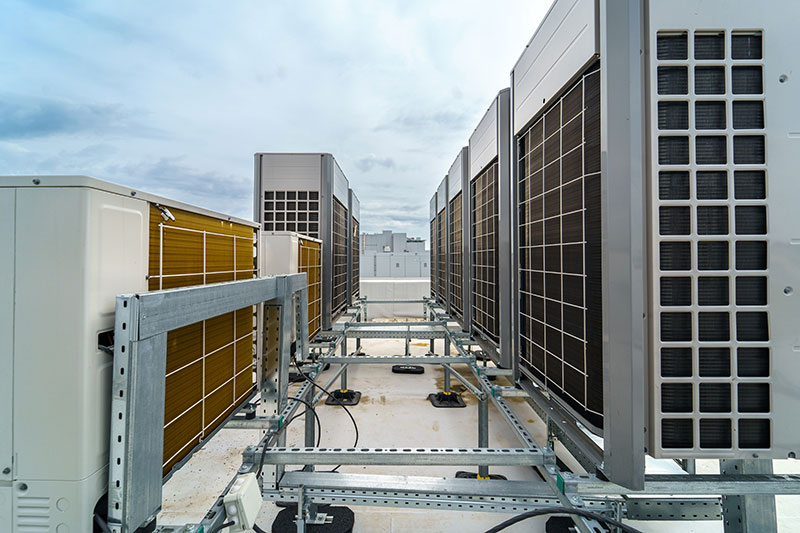
Setpoints and schedules tell an HVAC system what you want it to do. They don’t tell you what it’s actually doing or what it’s costing you. In commercial buildings, HVAC typically accounts for a large portion of total energy consumption and inefficiencies can hide because comfort still feels acceptable. That’s why HVAC energy optimisation improves quickly when you add electrical meter data.
Metering turns the building from a debate (“Is it the chiller? Is it the airside?”) into a diagnosis. You can see the energy signature of warm-up periods, after-hours operation, cycling issues and staging problems. Then you can fix them with confidence.
Why Setpoints Can't Tell the Full Story
Setpoints describe intent: cool to 24°C, heat to 21°C, run 7am–7pm. Energy use depends on variables that setpoints don’t capture well. Weather fluctuations, occupancy shifts, sensor drift, damper and valve behaviour, equipment health and how systems interact all influence actual consumption.
A few common situations show the gap. The system still meets temperature targets but draws more kW due to contaminated coils, blocked filters or a degrading fan. A single after-hours override becomes permanent. The schedule looks correct, yet HVAC keeps running. Control logic causes simultaneous heating and cooling. Zone temperatures look acceptable while energy quietly spikes.
Setpoints are necessary levers but they’re not feedback. Meter data is feedback.
What Meter Data Reveals That Setpoints Often Miss
You don’t need dozens of sensors to find meaningful savings. Submeter HVAC at the plant or major equipment level. This includes chillers, heat pumps, main fans, cooling towers, boilers and large AHUs. Once you do, the patterns start to stand out.
Load Shape Shows When HVAC Is Truly ``On``
A BMS may say “off” but a kW profile can show a steady overnight draw. That persistent floor load usually points to after-hours operation, plant left in hand mode or electric reheat creeping on when it shouldn’t.
Demand Peaks Reveal the Real Bill Drivers
Many commercial tariffs penalise short-interval peak demand measured in kW. You can lower total kWh and still be disappointed if your monthly peak stays high.
Meter data shows exactly when peaks occur. Often it’s morning start-up or “everything starts at once” sequences. Once you can see peak events, you can introduce staged starts, ramping or demand-limiting controls. These reduce the spike without changing comfort targets.
Cycling Patterns Expose Control and Maintenance Issues
Short-cycling wastes energy and accelerates wear. Research shows that short-cycling can increase energy consumption by 20-30% because systems use significantly more power during startup than during steady operation. Setpoints may look stable while the meter shows repeated power surges as equipment starts, stops and restarts.
If your HVAC kW trend has frequent, regular oscillations, that’s a strong signal. It indicates tight deadbands, unstable control loops, poor staging logic or failing components.
Simultaneous Heating and Cooling Becomes Obvious
Few things burn energy faster than cooling and heating at the same time. It can happen through reheat, poorly configured Variable Air Volume (VAV) minimums or overlapping sequences.
Submetering makes this visible as cooling plant power that remains high even when conditions suggest it should ease. This is where HVAC energy optimisation is less about one setpoint and more about aligning sequences.
Supply air temperature resets, reheat lockouts and minimum airflow strategies all play a role.
Shoulder-Season Behaviour Highlights Economiser Issues
Economisers should reduce mechanical cooling during mild weather. When dampers stick or sensors drift, you’ll often see cooling kW stay elevated on days when outside air should be doing more of the work.
Where to Start
If you’re not sure where to begin, meter the HVAC main board or plant first. That single view will tell you whether the opportunity is mostly hours of operation, peaks and staging or persistent baseload.
From there, add a second meter to split airside and waterside loads or isolate one problem asset. A small amount of targeted metering usually beats a big, unfocused sensor rollout.
Turning Meter Insights Into Savings Actions
The goal is to move from “adjust and hope” to “change and verify”. Start by establishing a baseline. Document typical daily load shape, overnight floor load and when peaks occur. Make one change, then use meter data to confirm the effect on kW and kWh.
Three change types consistently deliver results. First, tighten operating hours based on actual load. If HVAC ramps hours before occupancy, test a later start paired with optimal start logic. Comfort can remain stable whilst early-morning kWh and peak risk fall.
Second, stage and stagger starts to flatten peaks. Meter data often reveals “cliff” events where multiple AHUs, pumps or chillers start together. Staggering starts and improving staging logic can reduce the billing peak without touching tenant comfort.
Third, eliminate hidden baseload. Once you can see the overnight floor load, you can chase the cause. Manual mode, persistent overrides or reheat driven by a faulty sensor are common culprits. Baseload reductions are powerful because they save every hour, not just at peak times.
Proving Results Clearly
Metering is also your measurement tool. Instead of relying on “it feels better”, you can show before/after evidence. The overnight floor dropped, the morning peak is lower and the daily kWh profile shifted down.
That clarity helps align facilities, finance and contractors on what worked and what to do next.
How SATEC Supports the Metering Foundation
All of this depends on metering that’s accurate, durable and practical to install. This matters especially in retrofit switchboards where space and downtime are constraints.
SATEC’s energy metering and monitoring products provide the electrical measurement layer that makes HVAC performance visible. This works at the plant, panel or equipment level. With NMI-approved metering options and advanced monitoring capabilities, you can capture the kW, kWh and demand signals needed to identify waste and verify improvements.
Those meters can feed into SATEC’s Expertpower Cloud software. Teams can then trend usage, spot abnormal patterns (after-hours run, cycling, demand spikes) and track progress over time.
Moving From Setpoints to True HVAC Energy Optimisation
Setpoints are targets. Meter data is reality. When you combine both, you can see the load shape, isolate peaks, catch cycling and uncover hidden baseload that setpoints will never surface.
If you’re serious about HVAC energy optimisation, start with visibility. Once HVAC energy has a clear signature, the next optimisation step is usually obvious and the savings are far easier to prove.
Talk to our team today about your HVAC energy metering needs.
FAQs - Commercial HVAC Energy Optimisation
What’s the difference between HVAC setpoints and meter data for HVAC energy optimisation?
Setpoints show what the system is supposed to do, while meter data shows what it’s actually consuming in kW/kWh and when, so you can confirm waste and verify improvements.
How much metering do I need to get value from HVAC energy optimisation?
Often one good submeter on the HVAC main board or plant is enough to reveal after-hours operation, demand spikes and cycling patterns. You can add more meters only where you need deeper detail.
Will metering help reduce demand charges as well as energy use?
Yes. Meter data makes peak events visible so you can stagger starts, adjust staging and flatten kW peaks that drive demand charges.
How do SATEC’s meters support this approach?
SATEC provides accurate, retrofit-friendly metering that captures the electrical signals needed for HVAC energy optimisation. Those data points can be surfaced and trended through Expertpower Cloud software for ongoing monitoring.