
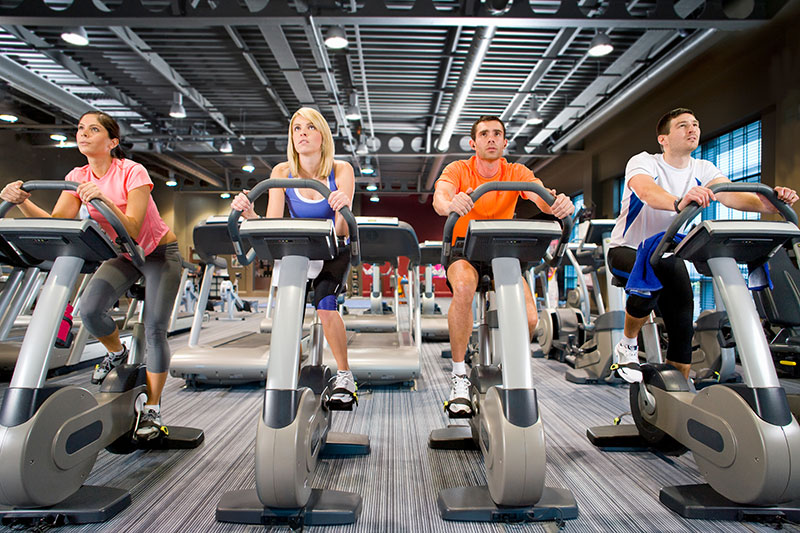
Walk into any gym at 6.00am and you can feel the load ramping up. Treadmills run constantly, air conditioning pushes harder, lighting stays bright, music runs, hot water gets used and every charger, screen and control system hums along in the background. Then late morning arrives and the floor looks calmer, yet the electricity meter often doesn’t drop the way you’d expect.
That gap between how busy a gym feels and how much energy it uses is where cost, comfort and operational control can quietly leak away. Smart electricity metering at gyms helps turn that gap into a clear story: what’s driving consumption, when it’s happening and how it aligns with real occupancy.
This article explores the practical relationship between occupancy and energy in gyms and fitness centres. We’ll examine why “busy equals high energy” is only partly true and how smarter metering makes energy performance measurable, manageable and defensible.
Why Occupancy and Energy Don't Always Match
On paper, gyms look straightforward. More people should mean more energy. In reality, a significant slice of a gym’s electricity is fixed or “always-on”, regardless of how many members show up. That includes baseline HVAC settings, lighting schedules, ventilation requirements, always-powered digital signage, control systems, servers and routers and pumps.
The result is a common pattern. Energy stays high during low-occupancy periods like mid-morning, early afternoon and late night. Peaks don’t line up neatly with check-in spikes, especially when HVAC pre-cooling or pre-heating begins before the rush.
Weekend profiles can look surprisingly similar to weekdays if schedules and setpoints don’t change. If you’re only looking at monthly bills, it’s hard to tell whether you’re paying for genuine activity or paying for drift. Systems might be running harder or longer than they need to.
What Actually Drives Electricity Use in Gyms
To understand occupancy versus energy, it helps to think in “load families”.
HVAC and ventilation often represents the biggest swing factor. Gyms are comfort-critical spaces. Heat from bodies, equipment motors and lighting builds quickly.
Air quality matters too, so ventilation can be significant even when the gym is quiet. HVAC can ramp up for pre-conditioning, hold steady due to conservative setpoints or fight itself due to zoning issues.
Lighting is more controllable than many operators think. Gyms typically stay brightly lit for safety and experience, even during quiet hours.
Zoning, time scheduling and sensors can reduce waste but you need proof of where and when lighting is actually consuming power.
Motor-driven equipment and auxiliaries include cardio machines, strength equipment with electronics, fans, pumps for pools and specialist zones like spin rooms and saunas.
These create distinct signatures. Some of these loads are “bursty” and align well with occupancy. Others are persistent.
Hot water and amenities can create demand spikes that don’t correlate with gym-floor occupancy. Electric water heating or heat pumps may cause peaks independent of member activity.
Shower usage has its own rhythm and timers or control strategies often get set and forgotten.
The challenge is that these drivers overlap. A busy evening session might coincide with a hot day and a high ventilation requirement, making it hard to isolate what’s actually causing the cost. That’s exactly where smart metering shines.
Turning "Busy vs Quiet" into a Measurable Energy Profile
Your gym already collects occupancy signals. Member check-ins, class bookings, door counters, even Wi-Fi device counts all provide information. Energy data, however, is frequently stuck at a single “whole site” meter or presented as a monthly total. That makes it nearly impossible to connect actions like changing HVAC schedules to outcomes like real savings.
Smart electricity metering at gyms creates time-aligned, high-resolution consumption data that you can compare directly to occupancy patterns. That’s the key. You stop guessing and start testing. Here are the kinds of questions smart metering can answer with confidence.
- What is our true baseload overnight and during the quietest trading hours?
- How much of our peak demand is HVAC, and how much is equipment?
- Do our pre-cool or pre-heat routines start too early or run too long?
- Are we seeing demand spikes that indicate a plant issue, a control fault or a scheduling mismatch?
- Do different zones behave differently, such as weights floor versus cardio versus studio?
When you can see those relationships, you can tune operations without compromising member experience.
The Practical Value of Aligning Occupancy with Energy
A gym’s energy strategy shouldn’t be “use less power” in the abstract. It should be “use power when it creates value” and avoid waste when it doesn’t. In practice, that often means sharpening schedules and setpoints. If data shows HVAC ramps up hours before meaningful occupancy, you can tighten start times. If ventilation is high during quiet periods, you can revisit minimums, zoning and controls within compliance requirements.
Reducing peak demand charges is another major benefit. Many sites get hit hardest not by total kWh but by demand peaks. Smart metering helps you identify what stacks together at peak times, such as HVAC plus hot water recovery plus a studio class start. You can then adjust sequencing to flatten the curve.
Member comfort often improves as well. Comfort complaints frequently lead to manual overrides that increase energy. With better visibility, you can resolve root causes like a zone lagging behind setpoint rather than simply turning everything up.
Smart metering also provides validation for changes. Energy projects fail in perception when savings can’t be proven. Metering gives you before-and-after evidence to justify upgrades, maintenance or control improvements.
Getting Started: What to Measure First
You don’t have to meter every circuit on day one. Start where the biggest decisions and costs live. For most gyms, that’s whole-site interval metering to establish baseload, peaks and profiles. Main distribution points or key sub-mains help split HVAC and plant from general power. Critical zones like studios, pools or large cardio areas should be considered if they behave differently. Power quality monitoring matters where sensitive equipment or nuisance trips are an issue.
This staged approach keeps the project focused and prevents data overload.
How SATEC Provides the Smart Electricity Metering Solution
SATEC’s metering and monitoring range is designed for exactly this kind of site: complex loads, changing demand patterns and a need for dependable, decision-grade data.
For gyms and fitness centres, SATEC can provide smart metering for clear, actionable visibility. SATEC’s smart meters and power meters support detailed consumption monitoring, helping you track how energy changes across trading hours, class schedules and seasonal shifts. This is the foundation for any serious occupancy versus energy analysis.
Sub-metering separates what matters. By metering key distribution boards or major loads, you can differentiate between HVAC and plant consumption versus general power. This makes it much easier to pinpoint what’s driving costs and demand peaks.
Power quality monitoring supports reliability. Gyms use plenty of electronic and motor-driven equipment. Power quality issues can contribute to nuisance trips, premature wear or unexplained faults. SATEC’s power quality monitoring helps you identify disturbances and protect operational uptime.
Expertpower brings metering data together so it’s easier to interpret, share internally and use to track performance over time. Instead of hunting through raw numbers, you can build a consistent view of energy behaviour and where optimisation efforts should focus.
Put simply, SATEC helps gyms move from “we think this is happening” to “we know what’s happening, and we can prove it.”
Making Occupancy Work for You, Not Against You
Gym energy use will never be perfectly linear with occupancy. Some loads are fixed, some are variable and some behave unpredictably when controls drift. The goal isn’t perfection. It’s control.
Smart electricity metering at gyms gives you the visibility to run the facility like a system: measured, tuned and responsive. When occupancy rises, you can spend energy where it matters most: comfort, experience and availability. When occupancy falls, you can confidently pull back the loads that don’t add value.
That’s how you protect margins without compromising the member experience and how you build an operation that’s ready for growth, extended hours and new service offerings.
Talk to our team about your smart electricity metering needs today.
FAQs - Smart Electricity Metering at Gyms and Fitness Centres: Occupancy vs Energy
What is smart electricity metering at gyms?
It’s the use of interval-capable meters (and often sub-meters) to track when and where a gym uses electricity so you can link consumption patterns to operations and occupancy.
Why doesn’t energy use drop much when the gym is quiet?
A large portion of consumption comes from “always-on” loads like HVAC baseload, ventilation requirements, lighting schedules and equipment left powered which don’t scale down automatically with fewer people.
What should we meter first in a gym or fitness centre?
Start with whole-site interval data to establish baseload and peak demand, then add sub-metering for major drivers like HVAC/plant and any high-usage zones (studios, pool areas, large cardio floors).
How do SATEC and Expertpower help reduce energy costs?
SATEC meters and power quality monitoring provide dependable data, while Expertpower makes it easier to analyse trends, report performance and target the operational changes that reduce waste and peaks.