

NITP-14 electricity meter verification represents a cornerstone of Australia’s trade measurement framework. This national procedure governs the verification of electricity meters across all states, ensuring accuracy standards that protect both consumers and utility providers.
The verification system operates through an accreditation model based on National Measurement Institute (NMI) standards, establishing clear protocols for meter testing and compliance. This also applies to other measurement systems in addition to energy meters.
These requirements span from initial pattern approval to ongoing verification procedures, safeguarding the Australian electricity market’s integrity through consistent measurement accuracy.
Understanding NITP-14 Verification Framework
The NITP-14 verification framework establishes comprehensive testing protocols that electricity meters must meet before deployment. This procedure aligns with international verification standards including ISO 17025 whilst addressing specific Australian regulatory requirements.
Verification authorities conduct systematic testing using calibrated reference standards that guarantee measurement traceability to national standards. The framework ensures traceability to respective standards, calibration procedures and audit trail processes.
Pattern approval through NMI M6-1 standards precedes the NITP-14 verification process, ensuring that meter designs meet fundamental accuracy requirements before widespread deployment across Australian networks.
Key Standards Governing Meter Verification
Australian electricity meter verification operates under a hierarchy of standards that define performance requirements and testing methodologies.
These standards ensure consistency across different manufacturers and verification bodies whilst maintaining alignment with local and international best practices.
NITP-14 Verification Procedures
NITP-14 establishes the fundamental testing protocols for electricity meter verification across Australia. This standard defines accuracy testing at various load levels and documentation procedures.
The procedure mandates specific accuracy tolerances that vary based on meter accuracy class, load profile and power factor. Testing includes both single-phase and three-phase configurations, ensuring comprehensive coverage of Australian metering applications.
NMI M6-1 Pattern Approval Requirements
NMI M6-1 governs pattern approval for electricity meters, establishing design standards that precede individual meter verification.
This standard defines performance requirements across operating temperature ranges, electromagnetic compatibility criteria, and long-term stability specifications. Pattern approval verification ensures that meter designs demonstrate consistent performance before receiving approval for Australian deployment.
The standard addresses both revenue-grade electricity meters for use in the utility industry, residential, commercial, industrial landscape and other sub-metering applications, providing clear guidance for different accuracy classes.
AS 62052 and AS 62053 Australian Standards
AS 62052-11 sets the general requirements under conditions for type testing electricity meters, now covering both AC and DC meters and defines functional, mechanical, electrical, environmental (EMC/climatic) immunity and marking requirements.
AS 62053-22 sets out the accuracy performance, test requirements for electricity meters used under NITP-14.
Together, they define meter accuracy classes (e.g., Class 0.2S, Class 0.5S, Class 1 and Class 1.5) and prescribe the verification methods that limit permissible measurement error. They also specify environmental endurance tests, such as temperature cycling, humidity exposure and electromagnetic immunity, to verify reliable operation in service conditions.
While aligned with the IEC 62052/62053 framework, the Australian Standards incorporates additional local regulatory testing approvals and operating conditions.
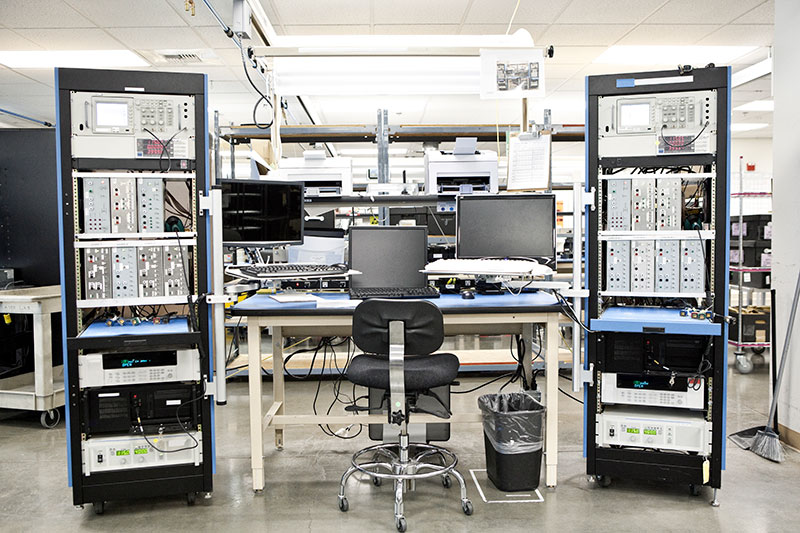
The practical implementation of NITP-14 verification involves systematic testing procedures conducted by accredited verification laboratories in Australia. These testing laboratories maintain specialised facilities with calibrated reference standards and traceability under NATA and ISO/IEC 17025.
The verification process includes comprehensive documentation requirements that establish traceability and compliance records for regulatory oversight.
Batch Sampling and Testing Protocols
Batch sampling verification allows efficient testing of meter populations whilst maintaining statistical confidence in overall accuracy. NITP-14 defines sampling rates based on batch sizes and historical performance data from manufacturers.
Testing protocols examine accuracy at light load, rated load and maximum load conditions across different power factor scenarios. Temperature testing verifies performance stability across the Australian climate range from -10°C to +55°C.
Documentation requirements include test certificates, calibration records and sampling justification reports. Verification authorities maintain detailed records that support ongoing compliance monitoring and regulatory audits.
Accredited Verification Bodies and Procedures
Accredited verification bodies operate under strict quality management systems that ensure consistent testing standards across Australia. These organisations maintain ISO/IEC 17025 accreditation for electrical testing and calibration activities.
Verification procedures include pre-testing calibration checks, systematic accuracy testing and post-test documentation review. Staff qualifications encompass electrical engineering backgrounds with specialised training in measurement standards and uncertainty analysis.
Equipment calibration schedules align with national measurement traceability requirements, ensuring reliable reference standards. NATA accreditation provides international recognition of Australian verification capabilities.
Ensuring Ongoing Compliance and Quality
NITP-14 electricity meter verification represents more than regulatory compliance; it establishes consumer protection and market confidence in Australian electricity measurement.
Regular verification schedules, combined with robust sampling protocols, create systematic quality assurance across the national meter population. Verification authorities continue evolving their capabilities to address emerging technologies, including smart meters and advanced measurement infrastructure.
The verification framework’s adaptability ensures continued relevance as Australian electricity networks modernise and expand their measurement capabilities.
SATEC Australia provides precision electricity meters designed to exceed NITP-14 verification requirements across diverse applications.
Our EM133-XM delivers Class 0.5S accuracy with Basic Power Quality Data (BPQD) capabilities that support both compliance verification and operational optimisation. SATEC meters undergo comprehensive factory testing and calibration procedures that streamline the NITP-14 verification process for Australian utilities and verification authorities.
Our technical support team assists customers with verification documentation and compliance planning, ensuring seamless integration within Australia’s regulated measurement framework.
Frequently Asked Questions - NITP-14 Electricity Meter Verification
What is NITP-14 and who needs to comply?
NITP-14 is Australia’s national procedure for verifying electricity meters used for trade, ensuring they measure accurately. This applies to all electricity meters used for trade in commercial, industrial, utility and residential metering which also includes renewable energy applications.
How is NMI M6-1 pattern approval different from NITP-14 verification?
NMI M6-1 assesses and approves the design (pattern) of a meter model, while NITP-14 verifies each meter (or sampled batches) against accuracy and documentation requirements.
Who can perform verification and how often is it done?
Only accredited verification bodies (ISO/IEC 17025, typically NATA-accredited) can verify meters. Initial verification is required before deployment, with periodic re-verification scheduled per regulatory rules and network / operator programs.
What accuracy classes and tests are involved?
Meters are checked to AS 62052/62053 classes (e.g., 0.2S, 0.5S, 1, 1.5) across light / rated / maximum loads, various power factors, EMC conditions and temperature ranges roughly −10 °C to +55 °C, with full traceable documentation of results.