
Medical imaging clinics occupy a challenging position in healthcare. You’re running mission-critical equipment throughout the day, downtime simply isn’t an option and energy costs tend to climb quietly until they demand urgent attention. Factor in extended trading hours, high heat loads and strict environmental requirements for sensitive electronics and you have one of the most energy-intensive settings in outpatient healthcare.
This is where energy management for medical imaging clinics becomes less about “saving power” and more about running a reliable, compliant, patient-ready operation whilst keeping costs and risk under control. The encouraging news is that meaningful improvements don’t require sacrificing comfort, image quality or appointment throughput. It starts with understanding where energy actually goes and building a plan that matches the unique reality of imaging environments.
Why Imaging Clinics Are Energy-Heavy (And Why It Matters)
Unlike many commercial sites, imaging clinics have energy demand that’s both predictable and spiky. Predictable elements include HVAC schedules, opening hours and typical scan volumes.
Spiky elements arise from equipment ramp-up, compressors cycling and peak load coinciding with patient flow. The major drivers typically include:
HVAC and cooling: Managing temperature and humidity to protect equipment and ensure patient comfort often accounts for a substantial share of consumption. Research shows HVAC systems can represent one of the largest single energy consumers in healthcare facilities.
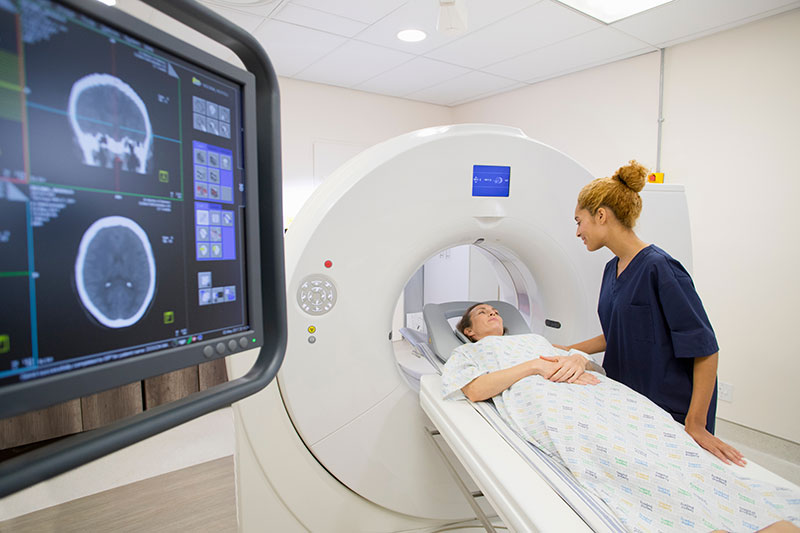
Medical imaging equipment: MRI, CT, X-ray, ultrasound, and PACS/IT loads can be considerable, especially when combined with standby and warm-up requirements. MRI systems alone can consume approximately 100 MWh annually per unit, whilst CT scanners average around 39 MWh/year per year with a large percentage of energy usage being consumed as standby power.
Compressed air, pumps, and ancillaries: Depending on the clinic setup, supporting systems can run longer than necessary.
Lighting and general power: Often less dramatic individually but constant across extended hours.
Why does this matter… because energy isn’t just a line item, it affects operational resilience. Poor visibility can lead to surprise peak charges, overloaded circuits, avoidable maintenance events and a reactive approach to faults.
Strong energy management provides a clearer view of performance, helps you plan equipment usage and reduces the risk of hidden issues.
Start With Visibility: You Can't Manage What You Can't Measure
Most clinics can see their total electricity spend but not the story behind it. A single monthly bill won’t tell you if your CT suite is drawing more overnight than it should, if HVAC is starting too early or if a power quality event is stressing critical assets.
A practical energy plan typically begins with sub-metering and circuit-level insights, especially across major equipment circuits (MRI/CT where applicable), HVAC plant and major air handling, IT/PACS/server areas and tenancy versus common loads for multi-tenant sites.
This kind of detail turns energy management into something operational teams can actually act on. You’re no longer guessing. You’re comparing baseline against actual, day versus day and identifying patterns that match clinic workflows.
Demand Charges: The "Silent" Cost Driver in Many Clinics
Even if your total kWh consumption isn’t excessive, demand (peak) charges can be painful. Imaging clinics often hit peaks when multiple systems align at once: morning start-up, HVAC ramping, equipment warm-up and patient flow building. For large commercial facilities, demand charges can account for 30% to 70% of monthly electricity costs.
Good energy management for medical imaging clinics includes strategies to reduce unnecessary peaks. Consider staggering start-up sequences for HVAC and non-critical loads. Review setpoints and start times to match real occupancy. Identify equipment that is drawing more in standby than expected. Where possible, schedule high-load activities to avoid coincident peaks.
The key here is not to “turn things off,” but to align energy demand with how the clinic actually operates.
HVAC Optimisation: The High-Impact Lever
HVAC is frequently the biggest opportunity because it’s always on the frontline: comfort, infection control considerations, equipment protection and staff productivity. Optimisation isn’t a blunt instrument. In imaging environments, small adjustments and tighter control often beat dramatic changes.
High-value actions include tuning operating hours and validating that systems truly ramp down after hours. Control zones appropriately so back-of-house or lightly used areas don’t run like scan rooms. Use maintenance visibility with energy as an early warning, rising kWh for the same conditions can indicate filter, coil or control issues. Monitor temperature and humidity trends alongside energy so comfort and equipment needs stay protected.
When energy data is tied to HVAC behaviour, you’re much more likely to spot issues early, before they become a comfort complaint or an equipment-risk event.
Power Quality and Uptime: Energy Management's "Clinical" Side
Imaging clinics rely on sensitive electronics and often expensive equipment. That makes power quality and electrical stability a practical concern, not just an engineering buzzword. Voltage dips, harmonics and irregularities can contribute to nuisance trips, equipment stress or unexplained faults.
A mature energy approach includes monitoring that helps you answer important questions.
- Are there frequent events occurring outside business hours?
- Do certain circuits show abnormal current behaviour?
- Are power quality issues correlating with equipment alarms or downtime?
Energy management for medical imaging clinics isn’t only about cost. It’s also about protecting uptime and supporting reliable diagnostics.
Turning Data Into Action: A Simple Operating Rhythm
Data is only useful if it leads to decisions. The most effective clinics build a lightweight routine that keeps energy performance visible without creating admin overload.
Start by establishing a baseline for key areas (HVAC, imaging circuits, IT) over a representative period. Track week-to-week variances and peak demand patterns. Investigate exceptions such as overnight load creep, weekend anomalies or unusual spikes. Implement one change at a time so results are clear and measurable. Share a short monthly insight with operations and management, covering what changed, what it saved and what’s next.
This rhythm keeps the programme grounded and helps you avoid the common trap of collecting data with no follow-through.
SATEC as the Metering Solution for Imaging Clinics
Effective energy management begins with accurate measurement, especially in complex environments like medical imaging. SATEC’s metering and power monitoring solutions are designed to deliver the visibility clinics need to understand consumption, manage demand and improve reliability. Here’s how SATEC supports energy management for medical imaging clinics.
SATEC provides NMI-approved metering options suitable for accurate measurement where required, along with advanced monitoring capabilities that can capture detailed energy data across critical circuits and areas. For imaging clinics, that can mean metering at the main board, sub-boards or specific high-impact loads to pinpoint what’s driving costs and peaks.
Beyond metering, SATEC solutions support power quality monitoring, which is particularly relevant in clinics running sensitive diagnostic equipment. By identifying disturbances and abnormal electrical behaviour, clinics can better protect equipment, reduce troubleshooting time, and improve confidence in electrical performance.
To bring everything together, Expertpower energy management software can support the journey from raw readings to usable insight. This helps teams interpret trends, compare performance over time, and make improvements that stick. With the right measurement points in place, clinics can build a clear picture of where energy is being used, what’s normal and what needs attention.
The goal isn’t complexity for its own sake. It’s giving imaging clinics clear, trustworthy energy and power data so decisions can be made with confidence, whether that’s adjusting HVAC schedules, reducing peak demand or investigating abnormal load behaviour.
A Smarter Way Forward
Energy pressures aren’t going away and imaging clinics can’t afford a trial-and-error approach, especially when patient comfort and equipment reliability are on the line. The most practical path is a measured one: start with visibility, prioritise the systems that matter most (HVAC, major equipment, power quality), and build an operational rhythm that keeps improvements steady and measurable.
With the right metering foundation and a clear view of performance, energy management for medical imaging clinics becomes a tool for resilience, not just savings.
Talk to our team about your energy management needs.
FAQs - Energy Management for Medical Imaging Clinics
What’s the first step in energy management for medical imaging clinics?
Start by measuring where energy is actually being used with sub-metering, especially across HVAC, major imaging equipment circuits and IT loads.
Why are demand charges such a big issue for imaging clinics?
Peak demand can spike when HVAC ramp-up and equipment start-up happen at the same time, which can drive costs even if total kWh usage looks reasonable.
Will energy optimisation affect patient comfort or imaging performance?
No, when done properly good energy management focuses on fine-tuning schedules and controls so comfort, temperature and equipment requirements stay protected.
How can SATEC support energy monitoring in an imaging clinic?
SATEC provides accurate metering and power monitoring (including power quality monitoring) to help clinics pinpoint high-load areas, manage peaks and detect abnormal electrical behaviour.