
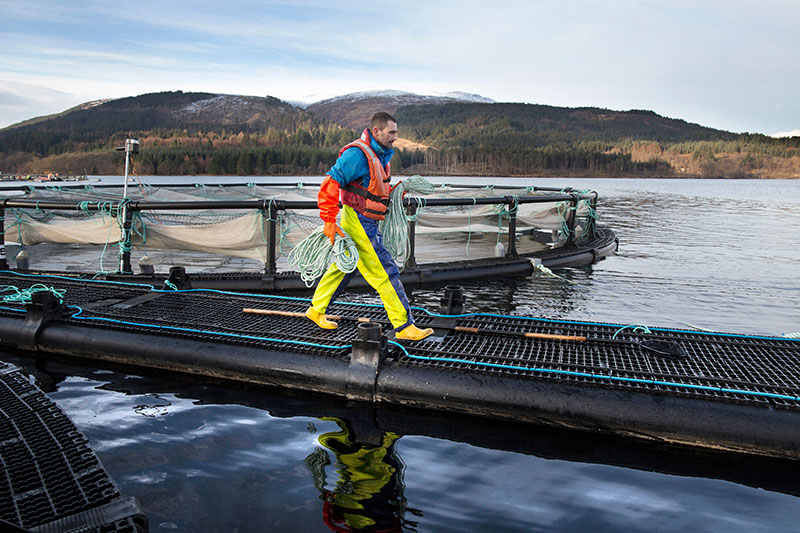
Recirculating Aquaculture Systems (RAS) represent one of the most energy-intensive forms of food production. Modern RAS facilities consume typically between 6-10 kWh per kilogram of fish produced and some cases as high as 81kWh depending on factors like location, system design, temperature control methods, stocking density and the extent of recirculation. in addition water pumps, aerators, UV sterilisers and heating systems drive this consumption.
Australian aquaculture operations face rising energy costs that directly impact profitability and sustainability. Advanced metering solutions provide the foundation for optimising RAS power consumption through precise monitoring and data-driven management. Real-time visibility into electrical loads enables operators to identify inefficiencies, reduce operational costs and maintain optimal water quality parameters.
Strategic power monitoring transforms energy from a major operational expense into a controllable cost centre that supports both environmental stewardship and economic viability.
Understanding RAS Power Consumption Patterns
RAS facilities exhibit distinct power consumption patterns across multiple interconnected systems. Water circulation pumps are a major contributor of high energy usage, operating continuously to maintain water flow rates of 1-3 turnovers per hour.
Power consumption of a facility is largely due to: Biological filtration systems to operate blowers and backwash pumps for biofilter maintenance. Temperature control systems hrough heat pumps, chillers and heating elements that maintain species-specific thermal ranges. As well as UV sterilisation and ozonation equipment through high-intensity lamps and ozone generators.
Power quality issues compound these demands through harmonic distortion from variable frequency drives and reactive power from inductive motor loads. Poor power factor correction increases apparent power consumption by significantly above actual energy requirements, thus accurate measurements are critical.
Critical Metering Standards for Aquaculture Applications
Aquaculture power monitoring requires metering solutions that meet specific accuracy and environmental standards. Harsh conditions including high humidity, salt spray and temperature variations demand robust instrumentation.
Australian aquaculture facilities should implement metering solutions that comply with relevant electrical safety and measurement standards. The following standards provide the framework for reliable power monitoring in aquaculture environments:
IEC 62052-11: Electricity Metering Equipment
This standard defines general requirements for electricity metering equipment including environmental conditions and electromagnetic compatibility. IEC 62052-11 specifies operational requirements for meters operating in industrial environments with temperature ranges from -25°C to +70°C and relative humidity up to 95%.
The standard addresses electromagnetic interference immunity crucial for RAS facilities with multiple motor drives and electronic control systems. Compliance ensures accurate measurements despite electrical noise from variable frequency drives and switching equipment common in aquaculture operations.
AS 62053-22: Particular Requirements for Static Meters
Australian standard AS 62053-22 establishes accuracy classes for static electricity meters used in commercial and industrial applications. Class 0.5S meters provide the precision required for detailed power analysis in energy-intensive aquaculture operations.
The standard defines test conditions including temperature coefficient limits and power factor ranges that ensure consistent performance across varying operational conditions typical in RAS facilities.
AS 3000: Wiring Rules - Electrical Installations
AS 3000 provides installation requirements for electrical systems in wet and corrosive environments typical of aquaculture facilities. The standard specifies protection requirements for electrical equipment in areas with water spray and high moisture content.
Proper installation according to AS 3000 ensures meter longevity and measurement accuracy in challenging aquaculture environments while maintaining electrical safety standards.
Modern power analysers provide comprehensive monitoring capabilities that extend beyond basic energy measurement. Advanced metering solutions capture harmonic content, power quality parameters and load characteristics essential for optimising RAS operations.
Real-time data acquisition enables immediate response to power anomalies that could impact critical life support systems. Integration with SCADA systems provides centralised monitoring and automated control responses.
Power Quality Monitoring for RAS Equipment Protection
Variable frequency drives controlling pumps and blowers generate harmonic distortion that affects power quality throughout RAS facilities. Total harmonic distortion levels exceeding 5% can cause motor overheating, premature equipment failure and increased energy consumption.
Advanced power analysers measure individual harmonic components up to the 63rd order, enabling identification of specific distortion sources. Power factor correction reduces reactive power demand and associated utility penalties while improving voltage stability. Real-time monitoring alerts operators to power quality issues before they impact production or cause equipment damage. Continuous recording provides historical data for maintenance planning and regulatory compliance documentation.
Load Management and Demand Response Integration
Smart metering enables sophisticated load management strategies that reduce peak demand charges and optimise energy costs. Time-of-use rate structures allow RAS operators to schedule non-critical operations during off-peak periods when electricity costs are lower.
Demand response participation provides revenue opportunities through load curtailment during grid stress events. Electrical authorities demand response mechanisms offer payments for verified load reductions during peak demand periods. Advanced metering provides the measurement and verification capabilities required for demand response program participation.
Automated load shedding systems can temporarily reduce non-essential loads while maintaining critical life support functions.
Implementing Advanced Metering for Sustainable Aquaculture
Energy optimisation through advanced metering transforms RAS operations from reactive maintenance to proactive energy management. Comprehensive power monitoring provides the data foundation for reducing operational costs while maintaining optimal production conditions.
Australian aquaculture growth depends on sustainable operational practices that balance productivity with environmental responsibility. Strategic metering implementation supports both regulatory compliance and competitive advantage through reduced operating expenses. Real-time monitoring capabilities enable immediate response to system anomalies that could compromise production or equipment integrity.
SATEC provides advanced power analysis solutions designed for demanding industrial environments including aquaculture applications. These power analysers offer comprehensive monitoring capabilities with accuracy classes suitable for detailed energy analysis. These meters feature robust construction rated for harsh environments and provide extensive communication options for SCADA integration.
SATEC’s cloud-based software, Expertpower, provides energy management, energy billing and power quality analysis.
With almost 40 years of experience in power metering technology, SATEC delivers reliable measurement solutions that support energy optimisation and operational excellence in aquaculture operations.