

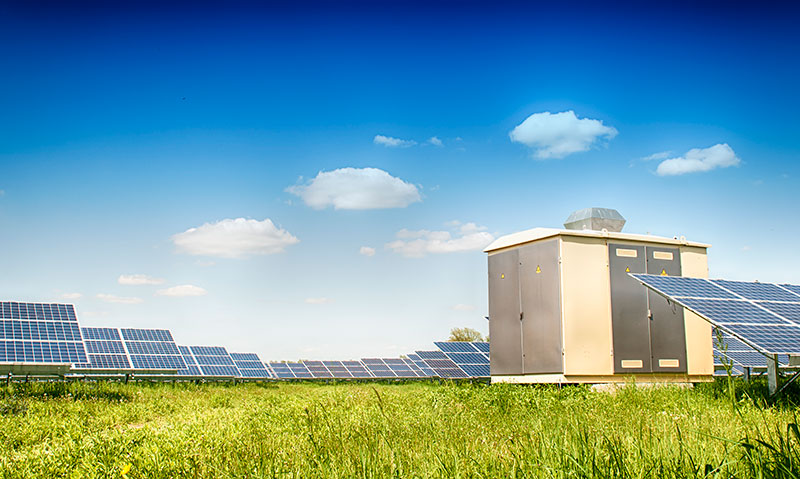
As Australia emerges as a global leader in renewable energy adoption, the need for precise Direct Current (DC) energy meter solutions has become increasingly vital. DC metering is used for the optimisation of solar battery storage systems and microgrids. These specialised DC meter technologies provide the granular monitoring capabilities essential for maximising efficiency, ensuring compliance with regulatory standards, and maintaining system reliability across Australia’s diverse renewable energy landscape.
This blog post examines the critical role of DC energy meters in renewable energy systems and explores the technologies shaping this rapidly evolving field.
The Essential Role of DC Energy Meters in Australian Renewable Systems
DC energy metering serves as the foundation for effective renewable energy management in solar battery storage systems and microgrids. Unlike traditional AC metering used in conventional power systems, DC meters provide direct visibility into energy production, storage and consumption before conversion losses occur.
This visibility is particularly valuable in Australia’s renewable energy landscape. The Clean Energy Council reports that battery storage installations are significantly increasing annually. DC meters monitor critical parameters including voltage, current, power and energy with high precision. Direct Current metering enable system operators to track battery state of charge, identify efficiency losses, optimise charging cycles and detect potential system anomalies before they escalate into failures.
The implementation of advanced DC metering establishes the measurement foundation necessary for intelligent energy management systems that maximise renewable energy utilisation.
Key Standards and Regulatory Considerations for DC Meters in Australia
The reliability and accuracy of DC energy metering systems in Australia are governed by several technical standards and regulatory frameworks that ensure measurement consistency, safety and interoperability.
System integrators and facility managers should be familiar with these key standards when implementing DC meter solutions:
IEC 62053-41, IEC 62052-11, IEC 62052-31: DC Energy Metering Requirements
These international standards establish the performance requirements for static DC energy meters with accuracy classes from 0.5 to 1.0. They outline testing methodologies, reference conditions and influence quantities that affect measurement accuracy.
For microgrid and battery storage applications in Australia, DC meters complying with Class 0.5 accuracy are typically recommended for billing and settlement purposes, while Class 1.0 may be suitable for system monitoring and/or billing applications. The International Electrotechnical Commission provides comprehensive guidelines that Australian system integrators should reference when selecting appropriate DC metering devices.
AS/NZS 3000:2018 (Wiring Rules) and DC Systems
While AS/NZS 3000:2018 does not directly address DC metering. This standard provides general principles for electrical installations, which are applicable to both AC and DC systems. Section 7.3 specifically addresses photovoltaic systems and new amendments continue to address emerging DC applications. These requirements may influence meter placement, isolation provisions, and protection coordination in DC energy systems.
The Standards Australia framework continues to evolve as DC system deployment accelerates across industrial and commercial applications.
National Measurement Institute (NMI) Pattern Approval for DC Meters
For DC meters used in billing applications in Australia, pattern approval from the National Measurement Institute is evolving based on international standards .
While the regulatory framework for DC metering is still developing in Australia, systems used for financial settlement should comply with the measurement accuracy principles outlined in current international standards IEC 62053-41 which will potentially serve as a future guideline under National Measurement Act.
NMi certification ensures measurement traceability and establishes confidence in the billing data generated from DC metering systems.
Advanced DC Metering Technologies for Microgrid and Battery Storage Applications
Modern DC energy meter systems employ sophisticated technologies to deliver high accuracy measurements across wide operating ranges.
These technologies are particularly important for Australia’s diverse renewable energy applications, from residential battery systems to industrial microgrids supporting mining operations in remote locations:
High Accuracy Shunt-Based DC Meters
Shunt-based DC meters represent one of the most reliable approaches for low and high-current DC applications such as battery storage systems and solar arrays. These meters use precision resistive elements combined with advanced signal processing to measure currents from milliamps to hundreds of amperes.
Modern DC shunt-based systems achieve typical accuracy levels of 0.5% across wide measurement ranges, making them suitable for billing-grade applications. Higher DC shunt accuracies are available based on design requests.
Hall Effect Sensors for DC Metering
Hall effect sensors are another method used in DC metering applications to measure Direct Current by detecting the magnetic field generated by the current flow. Hall Effect Sensors can be applied to measure current without interrupting the circuit. Increased accuracy can be obtained with the use of Flux Gate Current Sensor technology.
According to the Australian Energy Market Operator (AEMO), measurement accuracy directly impacts the integration of distributed energy resources into the broader energy market. The temperature stability of DC shunt-based or Hall Effect Sensor systems is particularly valuable in Australia’s climate, where wide temperature variations can affect measurement accuracy.
Intelligent Communications and Data Integration for DC Monitoring Systems
Advanced DC metering extends beyond measurement capabilities. Other capabilities incorporate sophisticated communications and system integration features. Modern systems support Modbus RTU, Ethernet/TCP, DNP3, IEC 61850, etc. These communication capabilities allow seamless integration with SCADA systems, energy management platforms and IoT applications.
The Australian Renewable Energy Agency (ARENA) has highlighted the importance of standardised communications in enabling value-stacking applications for battery storage systems. Real-time data access enables advanced applications, including predictive fault diagnosis, performance benchmarking against expected yields, and coordination with energy market platforms.
Progressive DC metering solutions incorporate event logs and interval data logging capabilities. These features are particularly important for industrial facilities integrating renewable generation with critical manufacturing processes and change management auditing.
Future Directions in DC Energy Metering for Australian Renewable Applications
The ongoing evolution of DC energy meter technologies will play a central role in maximising the value of Australia’s renewable energy investments. Emerging trends include the integration of artificial intelligence for predictive maintenance, blockchain-based energy trading using verified DC measurement data and standards development specific to DC microgrids. Research from the CSIRO suggests that enhanced monitoring capabilities could improve solar-plus-storage system efficiency through optimised dispatch algorithms relying on high-resolution DC measurement data.
For Australian industrial facilities, commercial buildings and renewable energy developers, investing in advanced DC metering infrastructure should be viewed as a foundational element of renewable energy strategy—providing the visibility, control and verification capabilities that maximise system performance and financial returns.
SATEC provides high-precision DC energy metering solutions designed specifically for renewable energy applications including solar PV monitoring, battery storage systems and industrial DC microgrids. These metering systems deliver Class 0.5 accuracy for billing-grade applications or Class 1.0, noting that system accuracy is also dependent on the DC shunt or Hall Effect Sensors used along with load conditions. These DC meter devices support comprehensive communications integration with energy management platforms.
SATEC’s DC metering portfolio includes solutions for both new installations and retrofits of existing renewable energy systems requiring enhanced monitoring capabilities. Talk to us about how advanced DC meter solutions can enhance the performance, reliability and financial returns of your renewable energy investments.