
Advanced 3-phase power metering systems have emerged as critical tools for industrial energy optimisation, enabling precise measurement, monitoring and analysis of electrical parameters across manufacturing operations. These sophisticated metering solutions provide the foundation for data-driven energy management strategies that not only reduce operational costs but also support compliance with Australia’s evolving regulatory landscape.
As energy prices fluctuate and environmental regulations tighten, industrial facilities across the country are increasingly turning to high-accuracy metering systems to gain visibility into their power consumption patterns, identify inefficiencies and verify compliance with national energy efficiency standards.
Understanding 3-Phase Power Metering in Industrial Applications
Three-phase power systems form the backbone of industrial electrical infrastructure, delivering the higher voltage levels and greater power capacity required for manufacturing equipment and heavy machinery. Unlike single-phase systems commonly found in residential settings, 3-phase power distributes electrical load more evenly, enhances motor performance and provides more efficient power delivery for industrial applications.
Advanced 3-phase power meters are purpose-designed instruments that measure a comprehensive range of electrical parameters, including voltage, current, power factor, harmonics, demand and energy consumption across all three phases. The latest generation of industrial power meters integrates high-precision measurement technology with sophisticated communication capabilities, enabling real-time data collection and analysis.
Many industrial facilities still rely on basic metering that captures only aggregate energy consumption, missing the granular insights that advanced 3-phase metering provides. Without detailed power quality monitoring and load profile analysis, facilities cannot identify specific opportunities for efficiency improvements or verify compliance with Australian power quality standards.
Key Standards and Compliance Requirements for Industrial Power Metering
Implementing effective 3-phase power metering systems requires adherence to various national and international standards that govern accuracy, functionality and testing procedures. For Australian industrial facilities, compliance with these standards ensures measurement reliability and supports regulatory reporting requirements.
Understanding these standards helps organisations select appropriate metering solutions that deliver both technical performance and compliance assurance. The Australian metering landscape is governed by a framework of standards that align with international benchmarks whilst addressing specific national requirements.
These standards establish minimum performance criteria, testing methods and specifications for various types of electrical measurement devices used in industrial applications. Three key standards particularly relevant to 3-phase power metering in industrial environments include:
AS 62053 - Electricity Metering Equipment
AS 62053 specifies the requirements for static watt-hour meters used in industrial applications. It includes accuracy classifications such as Class 0.2S and Class 0.5S, which are particularly important for industrial energy monitoring and billing applications.
Class 0.2S meters, with their maximum permissible error of ±0.2%, deliver the high accuracy needed for precise energy management and cost allocation. The standard also outlines testing procedures, environmental conditions and electrical requirements that ensure reliable operation in industrial environments.
For high-consumption industrial facilities, Class 0.2S meters are increasingly becoming the preferred choice due to their superior accuracy and ability to support detailed energy analysis. These meters should undergo periodic verification testing to maintain their accuracy certification in accordance with National Measurement Institute (NMI) requirements.
AS 61000 Series - Electromagnetic Compatibility
AS 61000 series addresses power quality parameters that affect industrial equipment performance and energy efficiency. The standard defines limits and measurement methods for phenomena such as harmonics, voltage fluctuations and transients that can impact both energy consumption and equipment lifespan.
Advanced 3-phase meters capable of power quality analysis should comply with these standards to provide reliable data for identifying power quality issues and implementing mitigation strategies. The AS 61000.4.30 specifically outlines the methods for measuring power quality parameters, classifying instruments into Class A (highest precision) and Class S (survey-grade) categories.
For comprehensive industrial power quality monitoring, Class A instruments are recommended as they provide the accuracy and detail needed to diagnose complex power issues. Implementing meters that comply with this standard helps industrial facilities identify power quality problems that can lead to equipment failures, process interruptions and increased energy consumption in motor-driven systems.
AS 3000 - Electrical Installations Wiring Rules
Though primarily focused on electrical safety, this foundational standard includes requirements related to metering installations that affect how 3-phase power monitoring systems should be designed and implemented. The standard outlines requirements for the installation of electrical equipment, including metering devices, ensuring they are installed in a manner that maintains system integrity and safety.
For industrial metering installations, compliance with AS 3000 is essential for ensuring that measurement systems do not compromise electrical safety or system performance.
The standard addresses important considerations such as clearance distances, accessibility for maintenance, protection against environmental factors and appropriate labelling. When installing advanced 3-phase metering systems, qualified electrical contractors should verify compliance with these wiring rules to ensure both safety and measurement accuracy.
Proper installation in accordance with AS 3000 also helps maintain the longevity of metering equipment in demanding industrial environments.
Advanced 3-phase power metering delivers significant benefits for industrial facilities, extending far beyond basic energy consumption tracking. By implementing these sophisticated measurement systems, organisations gain visibility into their electrical systems that enables strategic energy management and supports regulatory compliance.
The return on investment from these metering solutions typically comes from two primary areas:
- Operational efficiency improvements
- Streamlined compliance processes.
Modern industrial meters provide insights that help identify energy waste, optimise equipment performance and validate efficiency initiatives. When properly integrated into energy management systems, these meters become powerful tools for continuous improvement and cost control.
Identifying Energy Efficiency Opportunities Through Advanced Measurement
Advanced 3-phase power metering systems reveal efficiency opportunities that remain invisible with basic metering approaches. By capturing detailed load profiles and power quality data, these systems help identify specific equipment or processes that consume excessive energy or operate inefficiently.
Parameters such as power factor, harmonics and phase imbalance can significantly impact energy consumption and equipment performance. For example, low power factor, often undetected without proper metering, can increase electricity costs through power factor surcharges applied by utilities.
Identifying and correcting these issues through capacitor banks or other power factor correction methods can yield substantial cost savings. Similarly, detecting harmonics that cause equipment overheating and energy waste allows for targeted mitigation strategies.
The granularity of data provided by advanced meters also supports more sophisticated energy management approaches, such as peak demand management and load scheduling. By understanding exactly when and where energy is being consumed, industrial facilities can implement strategies to shift energy-intensive processes to off-peak periods when electricity costs are lower.
This temporal visibility also supports participation in demand response programs that provide financial incentives for reducing consumption during peak grid demand.
Streamlining Compliance Reporting and Verification
Regulatory compliance represents an increasingly important driver for advanced metering adoption in Australian industry. Various state and federal regulations require industrial facilities to report on energy consumption, greenhouse gas emissions and efficiency measures.
Advanced 3-phase power metering systems automate data collection and reporting processes, reducing the administrative burden of compliance while improving data accuracy. For organisations participating in the National Australian Built Environment Rating System (NABERS) for industrial facilities or pursuing ISO 50001 energy management certification, detailed energy data is essential.
Advanced metering systems provide the granular, verifiable data required to demonstrate compliance and track progress against energy performance indicators. The automated data collection capabilities of networked meters eliminate manual reading errors and provide continuous monitoring rather than periodic snapshots.
This continuous monitoring supports both compliance verification and operational improvements. For larger industrial consumers, participation in the National Greenhouse and Energy Reporting (NGER) scheme requires accurate energy consumption data to calculate emissions.
Advanced metering systems provide the precision and reliability needed to ensure these calculations are accurate, reducing the risk of non-compliance penalties. The audit trail capabilities of modern metering systems are particularly valuable for compliance reporting, as they maintain historical data that can be accessed to verify past performance and demonstrate ongoing compliance.
Future-Proofing Industrial Energy Management Through Advanced Metering
As Australia transitions toward a more efficient, sustainable energy future, industrial facilities face both challenges and opportunities. Advanced 3-phase power metering provides the foundation for navigating this transition successfully by delivering the data intelligence needed to optimise energy use, reduce costs and meet compliance requirements.
The investment in high-quality metering infrastructure pays dividends through operational savings, reduced compliance risk and improved sustainability performance. Looking ahead, the role of advanced metering will continue to expand as industrial energy management becomes increasingly data-driven.
Integration with emerging technologies such as artificial intelligence for predictive analytics and cloud platforms for remote monitoring will further enhance the value of metering data. For industrial facilities seeking to remain competitive in an environment of rising energy costs and tightening regulations, implementing comprehensive 3-phase power metering represents a strategic investment.
By selecting metering solutions that comply with relevant Australian standards and offer the functionality needed for both operational and compliance purposes, organisations can build a solid foundation for long-term energy optimisation.
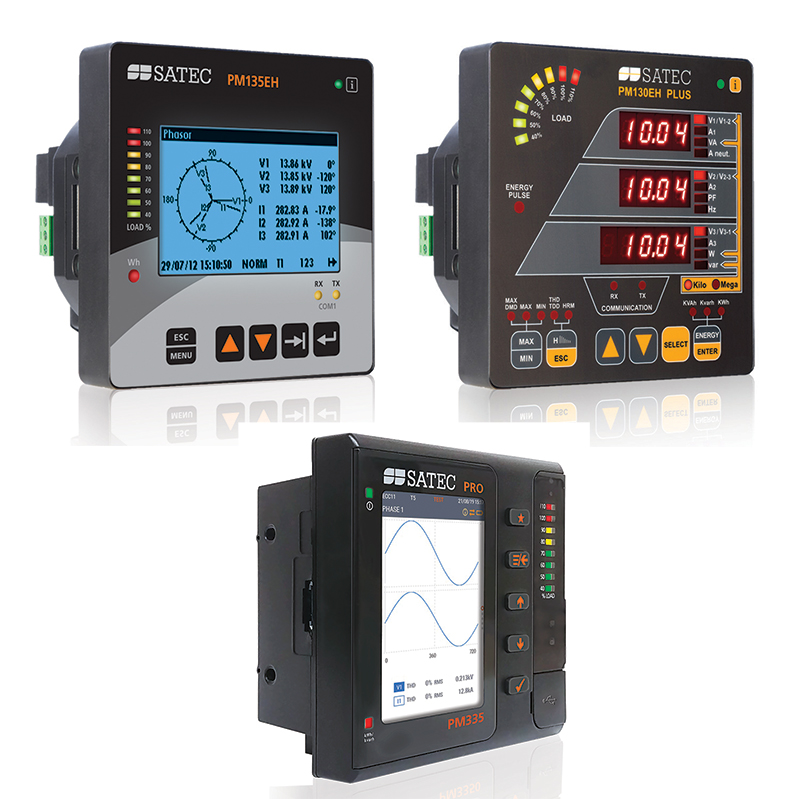
SATEC Australia provides industry-leading advanced 3-phase power metering solutions designed specifically for industrial applications. Our high-accuracy Class 0.2S and Class 0.5S compliant meters deliver comprehensive measurement capabilities for voltage, current, power, energy, harmonics and power quality parameters in accordance with Australian standards.
SATEC’s power meters and analysers feature robust communication capabilities that integrate seamlessly with existing energy management systems, SCADA platforms and cloud analytics services. With extensive experience in industrial metering applications across Australia, SATEC offers technical expertise in system design, implementation and compliance verification.
Our solutions help industrial facilities optimise energy performance, reduce operational costs and streamline regulatory reporting through precise, reliable measurement technology and expert support.
FAQs - Advanced 3-Phase Power Metering
What is advanced 3-phase power metering and why is it important for industrial sites?
Advanced 3-phase power metering measures detailed electrical parameters (voltage, current, power factor, harmonics and more) across all three phases, giving industrial facilities the granular data they need to optimise energy use, reduce waste and improve equipment performance.
Which Australian standards should my industrial power meters comply with?
Industrial 3-phase power meters should align with AS 62053 for accuracy, the AS 61000 series (including AS 61000.4.30) for power quality and electromagnetic compatibility, and AS 3000 for safe and compliant installation practices.
How do advanced 3-phase meters help with energy efficiency and cost reduction?
By providing detailed load profiles and power quality data, advanced meters reveal issues like low power factor, harmonics and phase imbalance so facilities can correct them, avoid penalties, manage peak demand and shift loads to lower-cost periods.
How do SATEC’s solutions support compliance and reporting in Australia?
SATEC’s Class 0.2S and Class 0.5S compliant meters deliver high-accuracy, standards-aligned data that simplifies NABERS, ISO 50001 and NGER reporting, while integrated communications and historical audit trails streamline verification and reduce compliance risk.