

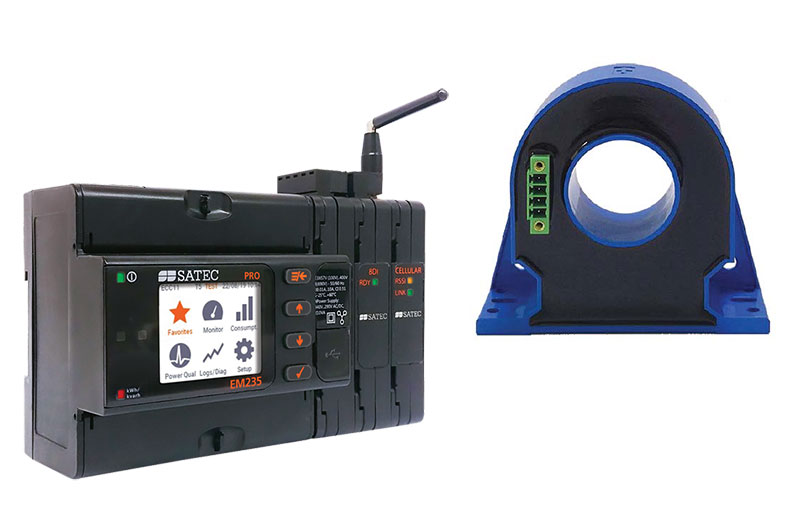
As Australia’s renewable energy sector continues to expand, the demand for high-precision DC electricity measurement systems has become increasingly critical. Fluxgate current sensors for DC electricity meters represent a significant advancement for monitoring and managing DC power flows in solar installations, battery storage systems and other renewable energy applications.
These sensors deliver exceptional accuracy and stability across varying environmental conditions, making them essential components in Australia’s evolving energy landscape. Unlike conventional measurement technologies, fluxgate sensors offer superior performance characteristics that address the unique challenges of DC electricity measurement in grid-connected renewable systems.
This overview examines the operating principles, advantages and applications of fluxgate sensors in the Australian renewable energy context, with particular attention to their role in maintaining grid stability and compliance with evolving standards.
Understanding Fluxgate Sensor Technology for DC Electricity Meters
Fluxgate sensor technology operates on electromagnetic principles that enable highly accurate DC current measurement without direct electrical connection to the measured circuit. The core mechanism involves a ferromagnetic material that undergoes periodic saturation through an excitation coil, whilst a secondary pickup coil detects changes in the magnetic field caused by the measured current.
This configuration creates a sensitive detection system capable of measuring DC currents with exceptional precision and linearity. The closed-loop configuration commonly employed in modern fluxgate sensors provides additional benefits, including extended measurement range and improved immunity to external magnetic field interference.
This architecture incorporates feedback compensation that nullifies the detected magnetic field, allowing the feedback current to serve as the precise measurement signal. The significant advantage of fluxgate technology becomes apparent when comparing its performance metrics to alternative approaches.
For DC applications in renewable energy systems, fluxgate sensors routinely achieve accuracy levels of ±0.1% or better, with excellent temperature stability across the wide operating ranges typical in Australian installations. This inherent stability translates to more reliable energy production data and improved system performance metrics.
Regulatory Standards and Compliance Requirements for DC Electricity Meters
The integration of DC electricity metering systems into Australia’s energy infrastructure requires adherence to various regulatory frameworks and technical standards. These requirements ensure measurement accuracy, system safety and appropriate data handling for billing and operational purposes.
As renewable energy systems become increasingly prevalent, regulatory bodies have developed specific standards addressing DC measurement systems and their performance characteristics. Understanding these requirements is essential for system integrators, installers and operators implementing fluxgate sensor technology in renewable energy applications.
The following standards represent key frameworks governing DC electricity measurement systems internationally, with particular relevance to fluxgate sensor implementations in renewable energy contexts. These frameworks help ensure that measurement systems deliver reliable and consistent performance across varying operational conditions, supporting stable grid integration and accurate energy accounting.
AS 4777.2:2020 - Grid Connection of Energy Systems via Inverters
AS 4777.2:2020 establishes requirements for grid-connected inverter systems, where the measurement and monitoring of DC parameters may be required as part of the system solution.
For DC current monitoring, the standard requires measurement accuracy of ±1% or better for systems above 30 kW capacity. Fluxgate current sensors readily exceed this requirement, typically achieving accuracies of ±0.1% to ±0.5% depending on specific implementation and calibration.
The standard also specifies environmental performance requirements, including temperature stability across operating ranges from -10°C to +60°C, conditions well within the performance envelope of quality fluxgate sensor systems.
System integrators should ensure that sensor calibration and verification processes align with the standard’s requirements for traceability and repeatability.
IEC 61557-12:2018 - Electrical Safety in Low Voltage Distribution Systems
IEC 61557-12:2018, provides performance requirements for electrical measurement devices, including those used in DC systems. It establishes measurement capabilities required for revenue-grade DC metering applications in conjunction with IEC 62053-41:2021.
The standard defines comprehensive testing requirements including temperature influence, frequency response and long-term stability, all areas where fluxgate technology demonstrates exceptional performance.
The requirements for electromagnetic compatibility (EMC) are particularly relevant for fluxgate sensors deployed in environments with multiple inverters and power electronic devices.
NMI M 6-1 - Electricity Meters (Pattern Approval)
The National Measurement Institute’s (NMI) pattern approval requirements for electricity meters has yet to define standards for DC measurement other than what is outlined in IEC 62053-41:2021.
Fluxgate current sensors, when properly integrated and calibrated, provides performance levels with error benchmarks. The standard also addresses time stability requirements, stipulating that measurement accuracy should be maintained within specified limits over defined operating periods without recalibration.
This requirement aligns with the inherent stability characteristics of fluxgate technology, which typically demonstrates drift figures below 0.1% per year.
The practical implementation of fluxgate sensors in Australian renewable energy systems requires consideration of several technical factors beyond basic regulatory compliance. System designers must evaluate specific performance characteristics, installation requirements and integration considerations to ensure optimal functionality.
Two key aspects deserve particular attention when implementing fluxgate current sensors in renewable energy applications:
- Comparative performance against alternative technologies
- System integration considerations
Understanding these factors helps system designers select appropriate sensor technologies and implement them effectively within the broader energy management infrastructure.
Fluxgate versus Hall Effect Sensors for Renewable Applications
When selecting current measurement technology for DC renewable applications, system designers often evaluate fluxgate sensors against Hall effect alternatives. While both technologies offer non-contact measurement capabilities, they differ significantly in performance characteristics relevant to renewable energy installations.
Hall effect sensors, though generally more economical, typically achieve accuracy levels of ±1% to ±3% of full scale, compared to the ±0.1% to ±1.0% commonly achieved with fluxgate technology. This accuracy differential becomes particularly significant in applications requiring revenue-grade metering.
Temperature stability represents another critical difference, with Hall effect sensors commonly exhibiting temperature drift of 50-200 ppm/°C, whilst properly designed fluxgate sensors maintain drift figures below 30 ppm/°C. In the Australian context, where outdoor installations regularly experience temperature variations exceeding 40°C between night and day, this stability difference directly impacts measurement reliability.
Linearity across measurement ranges also favours fluxgate technology, which maintains specified accuracy across the full measurement range, unlike Hall effect sensors that often exhibit reduced accuracy at lower current levels.
Integration Considerations for Grid-Connected Systems
Implementing fluxgate current sensors in grid-connected renewable systems requires careful consideration of several integration factors to ensure optimal performance.
Signal conditioning represents a primary consideration, as the output from fluxgate sensors typically requires appropriate amplification and filtering to interface with monitoring or control systems. Most modern fluxgate sensors provide standardised outputs (±10V, 4-20mA), but system designers should verify compatibility with existing infrastructure.
Electromagnetic compatibility requires particular attention, as fluxgate sensors may be susceptible to interference from nearby inverters or power conversion equipment. Proper shielding and cable routing practices help mitigate these concerns.
The power supply requirements for fluxgate sensors deserve consideration, particularly for remote installations where power availability may be limited. Most sensors require stable DC power (typically ±12V to ±24V), with power consumption ranging from 20mW to several hundred milliwatts depending on design.
Future Developments and Applications in Australian Renewable Systems
The continued evolution of Australia’s renewable energy landscape presents expanding opportunities for high-precision DC measurement technologies like fluxgate current sensors. As the grid accommodates increasing penetration of distributed energy resources, the demand for accurate, stable measurement systems will continue to grow.
Several emerging trends indicate the direction of future developments in this field. Miniaturisation of fluxgate sensor technology is enabling more compact, cost-effective implementations suitable for residential and small commercial applications, expanding the potential market beyond traditional large-scale installations.
Integration with digital communication protocols, particularly those supporting IEC 61850 for substation automation, enables fluxgate sensors to participate in broader energy management ecosystems with enhanced data accessibility. Advanced calibration techniques, including automated in-situ verification capabilities, are reducing maintenance requirements while ensuring continued measurement accuracy over extended operational periods.
For Australian renewable applications, these developments align with the broader industry transition toward more intelligent, responsive energy systems capable of optimising performance across varying conditions.
SATEC Australia provides comprehensive power monitoring solutions, including high-precision DC measurement systems featuring fluxgate current sensor technology. Our product range includes integrated metering systems designed specifically for renewable energy applications, with performance characteristics exceeding Australian regulatory requirements.
SATEC’s technical team offers expert guidance on sensor selection, system integration and compliance verification, ensuring optimal performance for your renewable energy installations. For DC monitoring applications, SATEC delivers solutions featuring temperature stability across Australia’s diverse climate conditions, accuracy levels exceeding regulatory requirements, and robust construction suitable for challenging installation environments.
All SATEC measurement systems undergo rigorous testing and calibration processes traceable to national standards, ensuring reliable performance throughout the system lifecycle.
Contact SATEC Australia for comprehensive support in implementing high-precision DC measurement solutions for your renewable energy projects.
FAQs - Fluxgate Current Sensors: Precision DC Electricity Meters
What is a fluxgate current sensor and why is it important for renewable energy systems?
A fluxgate current sensor is a highly accurate, non-contact device for measuring DC current, making it ideal for solar, battery storage and other renewable systems where precise data is critical for performance and compliance.
How do fluxgate sensors compare to Hall effect sensors in solar and battery applications?
Fluxgate sensors typically offer much higher accuracy (around ±0.1% to ±1.0%) and better temperature stability than Hall effect sensors, which leads to more reliable energy data and better optimisation of renewable assets.
Are fluxgate current sensors suitable for Australia’s diverse and harsh climate conditions?
Yes, quality fluxgate sensors are designed to maintain accuracy and stability across wide temperature ranges.
Can fluxgate current sensors help with meeting Australian standards and regulatory requirements?
When properly integrated and calibrated, fluxgate-based DC metering solutions can meet or exceed key standards supporting both grid compliance and revenue-grade metering.
Explore related topics:
For Your Industry
Standards & Compliance
Related Reading
- Fluxgate Current Sensors: Revenue-Grade DC Metering for Australia’s Renewable Grids
- Hall Effect Sensors for DC Meters: How They Work and Why They Matter
Trending in Your Sector


