

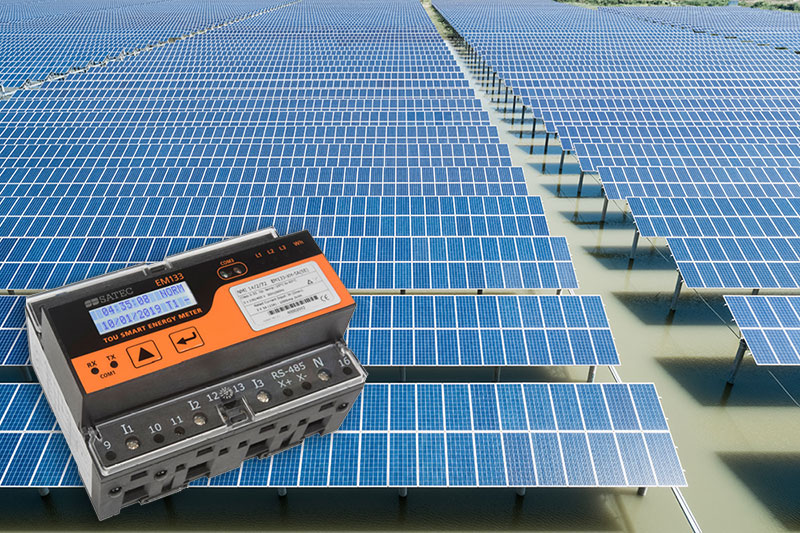
Large-scale Generation Certificates (LGCs) represent substantial revenue streams for Australian commercial solar installations exceeding 100kW. Accurate billing and revenue calculation depend on precise metering systems that ensure Clean Energy Regulator compliance.
SATEC delivers Class 0.5S accuracy metering solutions specifically designed for LGC accrual monitoring and billing compliance. These systems provide the certified accuracy required for Large-scale Generation Certificate tracking whilst enabling real-time monitoring of renewable energy generation.
Commercial solar operators can achieve optimal LGC revenue realisation through proper metering infrastructure that meets Australian renewable energy compliance requirements.
Understanding LGC Billing Requirements for Large-Scale Solar
The Large-scale Renewable Energy Target mandates precise billing accuracy for installations generating over 100kW of renewable energy capacity. LGC creation requires metering systems that demonstrate verifiable accuracy throughout the certificate lifecycle.
Commercial solar operators must utilise certified metering equipment capable of recording interval data. The Clean Energy Regulator metering requirements stipulate revenue-grade accuracy for all LGC-eligible generation.
SATEC EM133-XM meters deliver Class 0.5S accuracy that exceeds minimum compliance thresholds. These systems integrate seamlessly with Expertpower cloud connectivity for automated LGC tracking and billing reconciliation.
Critical Metering Standards for LGC Revenue Calculation
Australian renewable energy certificate billing requires adherence to multiple technical standards that govern metering accuracy and data integrity. Commercial solar installations must implement metering solutions that satisfy both Clean Energy Regulator requirements and Australian energy market protocols.
Understanding these standards ensures maximum LGC revenue realisation whilst maintaining regulatory compliance throughout the system operational life.
NMI M6-1 Revenue Metering Standard
The National Measurement Institute M6-1 standard establishes testing requirements for revenue-grade electricity metering in Australia. This standard mandates metering accuracy thresholds essential for LGC billing calculations.
SATEC meters achieve Class 0.5S accuracy that surpasses NMI M6-1 minimum requirements. NMI M6-1 compliance ensures legal metrology acceptance for commercial energy billing applications. These accuracy specifications directly impact LGC revenue calculations and certificate eligibility verification.
AS 62053-22 Meter Accuracy Classifications
AS 62053-22 defines international accuracy classes for AC static watt-hour and var-hour meters used in commercial applications. This standard establishes Class 0.5S accuracy specifications that align with Australian LGC metering requirements.
SATEC implements AS 62053-22 compliance throughout its commercial metering product range. The standard ensures consistent measurement accuracy across varying load conditions typical in solar generation environments. AS 62053-22 specifications provide the technical foundation for revenue-grade metering systems.
Implementing effective LGC billing accuracy requires metering infrastructure that delivers reliable data acquisition and seamless connectivity.
SATEC metering solutions provide the technical capabilities necessary for comprehensive LGC compliance monitoring whilst enabling advanced data analytics for revenue optimisation.
Real-Time LGC Monitoring Capabilities
SATEC EM133-XM meters deliver real-time LGC accrual monitoring through high-resolution interval data collection. These systems capture generation data at intervals required for accurate certificate tracking and billing reconciliation.
Cloud connectivity through Expertpower enables automatic data transmission to LGC trading platforms and billing systems. The metering infrastructure supports multiple communications that ensure continuous data availability regardless of site connectivity constraints.
Automated Billing Integration Systems
Commercial solar operators require automated billing integration that streamlines LGC revenue calculation and reduces administrative overhead. SATEC meters integrate directly with billing platforms through standardised data protocols that ensure seamless information exchange.
The Expertpower cloud platform enables automated LGC accrual reporting that aligns with Clean Energy Regulator submission requirements. These systems eliminate manual data entry errors whilst providing audit trails required for compliance verification.
Automated integration capabilities reduce operational costs whilst ensuring consistent LGC revenue recognition throughout the certificate lifecycle.
Maximising LGC Revenue Through Precision Metering
Accurate LGC billing depends on metering systems that deliver certified accuracy, reliable connectivity and comprehensive data management capabilities. Commercial solar installations exceeding 100kW capacity should implement revenue-grade metering infrastructure that surpasses minimum compliance requirements.
SATEC EM133-XM meters provide Class 0.5S accuracy combined with cloud connectivity that enables optimal LGC revenue realisation. Clean Energy Regulator guidance emphasises the critical importance of accurate metering for LGC scheme participation.
Investment in precision metering infrastructure delivers measurable returns through enhanced billing accuracy and reduced compliance risks.
SATEC Australia specialises in advanced metering solutions that support LGC billing compliance and renewable energy revenue optimisation. The EM133-XM delivers Class 0.5S accuracy with multiple communications and Expertpower cloud connectivity. These systems provide interval data whilst enabling real-time LGC monitoring capabilities.
SATEC meters exceed Australian metering standards and Clean Energy Regulator requirements for large-scale renewable energy installations. Commercial solar operators can achieve optimal LGC revenue streams through SATEC precision metering infrastructure designed for Australian renewable energy applications.
FAQs - LGC Billing Accuracy: Essential Metering Solutions for 100kW
What’s the difference between LGCs and STCs?
LGCs come from large-scale power stations and are created for each 1 MWh actually generated and measured; STCs apply to systems up to 100 kW and are mostly “deemed” upfront based on expected generation, reducing capex rather than creating ongoing certificate income.
Is there a minimum system size for LGCs?
Yes. Systems over 100 kW fall into the Large-scale Renewable Energy Target (LRET) and can create LGCs once accredited as a power station; systems ≤100 kW remain in the Small-scale scheme and earn STCs instead.
How do I create and sell LGCs?
You need Clean Energy Regulator power-station accreditation, compliant metering and data, then you create LGCs in the REC Registry (typically quarterly or annually) and sell them either on the spot market or via forward contracts or PPAs with liable entities.
What are LGCs worth and how should I budget them?
LGC prices fluctuate with supply–demand and policy settings, so many projects use conservative price assumptions and hedge risk with forward offtake agreements; treat LGC revenue as variable upside rather than guaranteed base cash flow.
Explore related topics:
For Your Industry
- The LGC Metering Solution for 100kW+ Commercial Solar Systems
- Commercial Solar Power Metering Solutions: Optimising Billing & Grid Compliance
Standards & Compliance
- NMI M6-1 Compliant LGC Metering Essentials for Renewable Power Stations
- NMI M6-1 Compliant LGC Certified Energy Meters for Renewable Energy Compliance
Related Reading
Trending in Your Sector


