

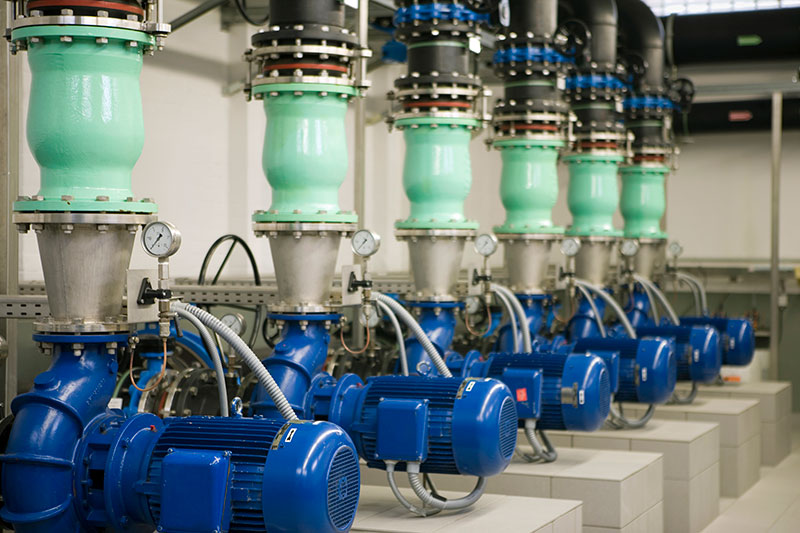
Pump stations keep Australia’s water networks moving but they’re energy-intensive and scattered across challenging locations. Advanced smart electricity metering gives operations teams real-time visibility into load profiles and power quality at individual sites.
With accurate interval data and consistent power-quality measurements, water utilities can spot anomalies early, reduce unplanned outages and align pumping schedules based on changing energy tariffs and load profiling.
Why advanced electricity metering belongs at every pump station
Pumps are often among a water utility’s largest operating costs. A modern, accurate electricity meter turns each station into a continuous data source:
- Energy and demand trends reveal excessive run hours or inefficient sequencing
- Power factor and voltage unbalance highlight issues that prolong motor inefficiency
- Harmonics point to Variable Speed Drives (VSD) interactions or upstream distortion.
Even small imbalances matter. A rule of thumb is that a two percent voltage unbalance can lift motor temperature meaningfully, accelerating insulation ageing and shortening asset life. When that information is available continuously, maintenance stops being reactive and becomes a planned intervention based on evidence.
The standards that actually matter
Australian projects often reference a long list of acronyms; only a few truly drive design decisions. If you’re billing or allocating costs, look for meters with National Measurement Institute pattern approval under NMI M 6-1.
For accuracy, transformer-operated meters typically target Class 0.5S under AS 62053-22.
For power-quality measurements, IEC 61000.4.30 standardises how metrics such as voltage, frequency and harmonics are captured and aggregated, so data is comparable across sites and over time, certification of this Class A standard should be made available.
Finally, a note on assurance: NATA accredits laboratories to ISO/IEC 17025. Pattern approval is performed by NMI for electricity billing meters, based on certified approved testing labs, which means test methods and equipment meet the right standard of competence.
SCADA integration without the headaches
Smart meters interface with Programmable Logic Controllers (PLC) and Remote Terminal Units (RTUs), speaking the same protocols.
SATEC devices cover the water utility communications – Modbus and DNP3 for most water pump stations – while higher-end analysers in the SATEC PRO series add IEC 61850 for substation-grade sites, with RS-485 and/or ethernet communications.
Turning power-quality data into predictive maintenance
Continuous logging of voltage unbalance, Total Harmonic Distortion (THD), events and load current signatures uncovers the early warning signs of bearing wear, misalignment, impeller damage or supply issues that raise motor temperature and trip protection. Instead of calendar-based servicing, teams schedule targeted inspections and parts changes when trends cross thresholds.
The practical result is fewer emergency callouts, better availability during tariff-friendly windows and clearer before-and-after evidence that maintenance is working.
How SATEC fits water utility architectures
SATEC EM133-XM is a compact, Class 0.5S meter suited to Motor Control Centre (MCC) panels and tight retrofits. It supports utility-grade protocols (Modbus and DNP3).
Connectivity includes RS-485 and Ethernet, with optional cellular modules for remote sites. For sites that need deeper power-quality analysis or substation-style integration, SATEC’s PRO-series analysers add advanced power quality features and IEC 61850.
Both device families pair naturally with Expertpower, SATEC’s cloud platform for centralised dashboards, alarms, automated reports and data exports.
Results that matter
Utilities that standardise metering and power quality analytics at pump stations typically report faster fault-finding, fewer unplanned outages and better alignment of pumping with tariff windows.
Add the maintenance wins from catching voltage unbalance and harmonics and other power quality anomalies early, provides a better insight into any forensic analysis for pre and post events.
If you’d like help selecting models and communications, the SATEC (Australia) team are here to assist.
Frequently Asked Questions - Electricity Metering for Pump Stations
Is interval data always required for pump stations?
Energy interval data at pump stations lets operators review electrical data for profiling of daily / weekly / monthly changes in electrical loads for detecting any inefficiencies.
Which accuracy class should I choose?
For transformer-operated pump stations, Class 0.5S under AS/IEC 62053-22 is a robust baseline. Critical or settlement-grade applications may justify tighter classes.
Do I need a revenue meter or a power quality analyser?
Most stations start with a revenue-grade, pattern-approved meter for accurate energy and demand. Add advanced power quality features or a dedicated analyser at sites with Variable Speed Drives (VSDs), nuisance trips or where harmonics and events must be diagnosed in detail.
Who certifies meters – NATA or NMI?
NMI handles pattern approval for trade use. NATA accredits the laboratories that perform testing, ensuring competency to ISO/IEC 17025.
Explore related topics:
For Your Industry
- How To Improve Load Factor And Reduce Electricity Demand Charges In Australia
- How To Find Phantom Loads Using Smart Metering Data
Related Reading
- Compact Multi-Circuit Energy Meters: Smarter Retrofits for Australian Switchboards
- Triplen Harmonics Explained: How Harmonic Spectra Reveal Neutral Conductor Overloading
Trending in Your Sector


