

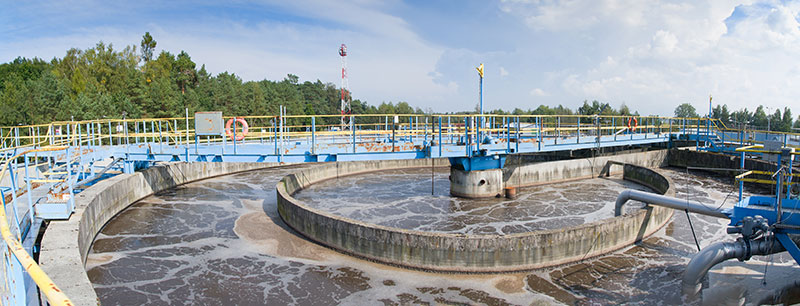
Water treatment facilities across Australia face increasing pressure to maintain reliable operations whilst managing energy costs and compliance requirements.
These critical infrastructure systems depend heavily on electrical stability to ensure continuous water processing, pump operations and chemical dosing systems. Power quality issues can cause costly equipment failures, process interruptions and regulatory non-compliance.
Advanced power quality monitoring systems provide the visibility needed to prevent these disruptions. Modern water treatment plants utilise complex electrical loads including variable frequency drives, motor control centres and sensitive instrumentation that demand a clean, stable power supply.
Grid reliability standards require utilities to maintain specific power quality parameters. Implementing comprehensive monitoring solutions enables operators to identify potential issues before they impact critical water treatment processes.
Critical Power Quality Challenges in Water Treatment Operations
Water treatment plants experience unique power quality challenges due to their operational characteristics and equipment requirements. Variable frequency drives controlling pump speeds create harmonic distortion that can affect other plant equipment and upstream electrical systems.
Motor starting currents cause voltage sags that may disrupt sensitive control systems and instrumentation. Power factor degradation from motor loads increases demand charges and reduces system efficiency. Voltage fluctuations can trigger protective relay operations, causing unnecessary shutdowns of critical treatment processes.
AS 61000.4.7 standards define acceptable harmonic levels for industrial facilities. Monitoring systems should track these parameters continuously to ensure compliance with grid connection requirements. Lightning strikes and switching transients pose additional risks to water treatment equipment, particularly during storm seasons.
Power quality (PQ) refers to the characteristics of electrical power—specifically the quality of current and voltage—evaluated against performance-based criteria such as frequency, symmetry, and magnitude.
Ideally, the quality of electrical power to a customer’s facility should be a clean sinusoidal waveform, free from distortions like harmonics, sags, swells, unbalances or fluctuations. In water and wastewater treatment plants (WTPs/WWTPs), the most common PQ issues include harmonics, voltage sags or swells and electrical noise.
Essential Power Quality Parameters for Water Treatment Monitoring
Effective power quality monitoring in water treatment facilities requires tracking multiple electrical parameters that directly impact equipment performance and operational reliability. Understanding these parameters enables operators to maintain optimal power conditions and prevent costly equipment damage or process interruptions.
Modern monitoring systems should capture both steady-state conditions and transient events that can affect sensitive water treatment equipment.
Voltage Quality Measurements
Voltage magnitude variations directly affect motor performance and equipment lifespan in water treatment plants.
Monitoring should track RMS voltage levels, voltage unbalance between phases and voltage sag/swell events that can trigger equipment shutdowns. Compatibility levels specify acceptable voltage variation limits for commercial and industrial installations in Australia. Voltage flicker measurements help identify issues with large motor starting or variable loads that could affect other plant equipment.
Continuous voltage monitoring enables proactive maintenance scheduling and prevents unexpected equipment failures in critical water treatment processes.
Harmonic Distortion Analysis
Total harmonic distortion measurements are essential for facilities with significant Variable Frequency Drives (VFD) installations used in water treatment pump systems.
Individual harmonic components should be monitored to identify specific sources of distortion and their impact on power factor and equipment heating. Current and voltage harmonics both require monitoring to assess system-wide power quality conditions.
Harmonic analysis helps optimise filter placement and sizing to maintain acceptable distortion levels whilst protecting sensitive instrumentation and control systems from interference.
Implementing effective power quality monitoring requires selecting appropriate equipment and establishing proper monitoring protocols tailored to water treatment plant requirements. The monitoring system should provide real-time visibility into electrical conditions whilst maintaining historical data for trend analysis and compliance reporting.
Integration with existing SCADA systems enables centralised monitoring and automated response to power quality events.
Strategic Monitoring Point Selection and Equipment Placement
Power quality monitors should be installed at multiple strategic locations throughout water treatment facilities to provide comprehensive system visibility.
Main incomer electrical service entrance monitoring should have power quality analysers compliant to IEC 61000-4-30 Class A thereby capturing utility-side power quality issues. This provides baseline measurements for compliance reporting under contractual obligations.
Motor control centre monitoring should consider power quality analysers to IEC 61000-4-30 Class S enabling identification of load-specific issues and harmonic sources from individual equipment.
Critical process area monitoring protects sensitive instrumentation and control systems from power quality disturbances. Transformer secondary monitoring helps identify internal distribution system issues and load imbalances. Monitoring equipment should feature Class 0.5S accuracy for revenue-grade measurements and compliance verification as a minimum.
High-speed sampling capabilities ensure capture of transient events that can damage equipment or disrupt processes. Remote communication capabilities enable real-time alarm notification and data access for maintenance personnel.
Compliance Integration and Alarm Management Systems
Power quality monitoring systems should integrate seamlessly with existing plant automation systems to provide centralised alarm management and reporting capabilities.
Threshold-based alarming enables rapid response to power quality events before they impact critical water treatment processes. Historical data logging supports trend analysis and predictive maintenance programs that improve overall plant reliability.
Integration capabilities should include standard industrial protocols to connect with existing SCADA and maintenance management systems. Protocols such as Modbus TCP, DNP 3.0, or IEC 61850 are utilised by these systems.
Optimising Water Treatment Plant Reliability Through Power Quality Monitoring
Power quality monitoring is essential infrastructure for modern water treatment facilities, underpinning operational reliability, energy efficiency and regulatory compliance. Investing in comprehensive monitoring reduces unplanned equipment outages (for example, VFD trips from voltage sags) and lowers maintenance costs by identifying issues such as harmonics and imbalance before they cause failures.
Australian practice points to compliance with AS 61000 power quality standards and alignment with utility performance and grid-connection requirements.
Facilities that implement structured monitoring programmes report fewer unexpected shutdowns and more predictable process throughput. High-resolution data supports evidence-based decisions on equipment upgrades, condition-based maintenance scheduling and operational optimisation, directly improving treatment capacity and whole-of-life cost management.
SATEC provides comprehensive power quality monitoring solutions specifically designed for critical infrastructure applications including water and wastewater treatment facilities.
The SATEC range of power analysers offers precise power quality measurements with multiple communications for remote monitoring capabilities. Cloud-based Expertpower connectivity enables centralised data management and reporting across multiple treatment sites.
Advanced harmonic analysis features support compliance with Australian grid connection requirements whilst protecting sensitive treatment equipment from power quality disturbances.
SATEC monitoring systems integrate seamlessly with existing SCADA platforms to provide comprehensive visibility into electrical system performance and support proactive maintenance programs that ensure reliable water treatment operations.
Explore related topics:
For Your Industry
Standards & Compliance
Related Reading
- How A Power Quality Recorder Helps Identify The Root Cause Of Voltage Disturbances
- Waveform Data In Power Quality Monitoring: What Facilities Teams Should Track
Trending in Your Sector


